






Cardoso and Santos put Portuguese coaching in spotlight before Rabat showdown
The TotalEnergies CAF Champions League final will be decided in Morocco on Sunday, but the story around the second leg has stretched far beyond Rabat and Pretoria.
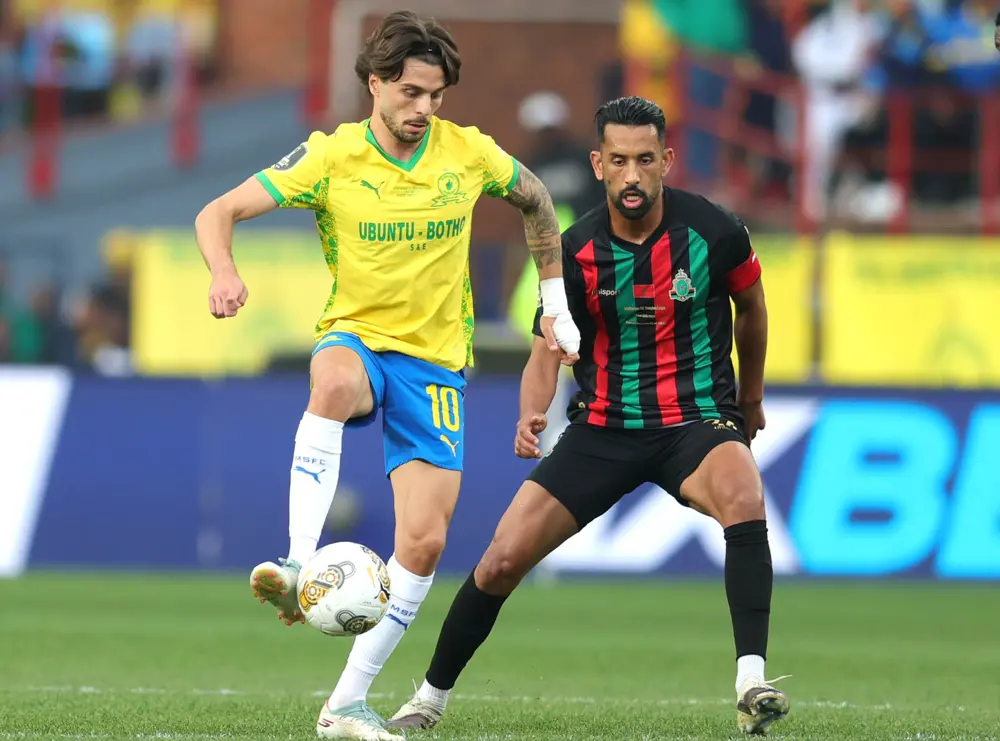
Mamelodi Sundowns take a 1-0 lead to the Moulay Abdellah Stadium after winning the first leg in South Africa last week, leaving FAR Rabat needing a home victory to keep alive their dream of returning to the summit of African club football.
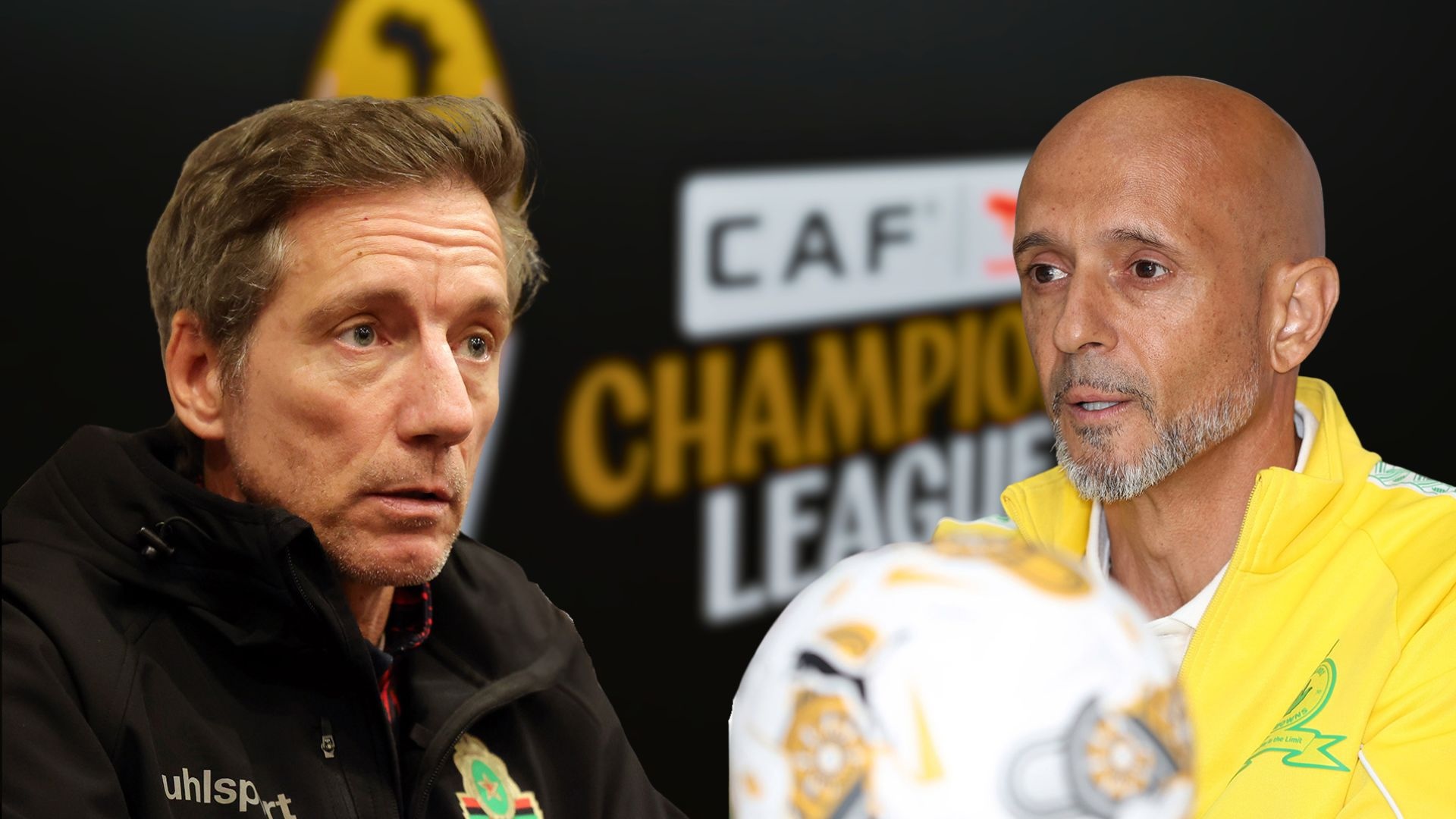
Yet this final has also become a powerful symbol of the growing influence of Portuguese coaches in Africa, with Sundowns’ Miguel Cardoso and FAR Rabat’s Alexandre Santos standing on opposite sides of the continent’s biggest club match.
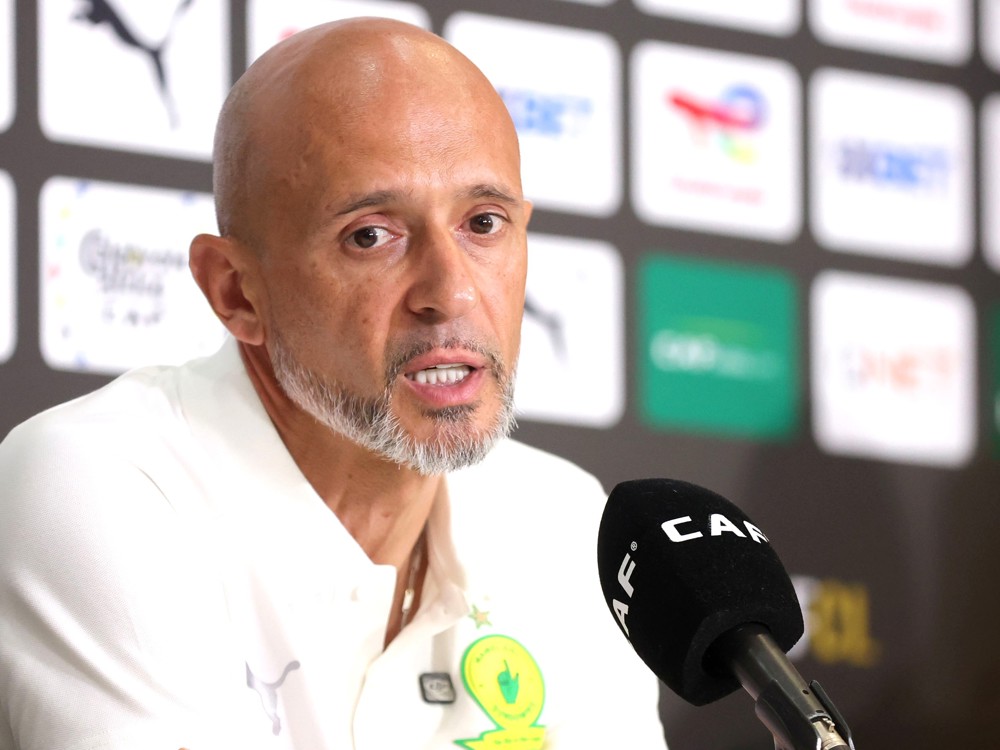
For Cardoso, who is appearing in another CAF Champions League final after his recent runs with Espérance and Sundowns, the occasion is about more than personal ambition. He believes Portuguese football has still not fully understood the size of the achievements being made by its coaches in Africa.
“I think that the international football community in Europe - I can speak especially about Portugal - doesn't really understand the level of what the CAF Champions League is,” Cardoso said.
“It's a shame for my country that it doesn't really understand the dimension of the achievements that some Portuguese coaches have been doing in Africa.”
Cardoso’s words capture the deeper significance of Sunday’s final. Two Portuguese coaches have guided two major African clubs to the final of the continent’s premier club competition, but both have suggested that their work often receives less attention at home than similar achievements in Europe.
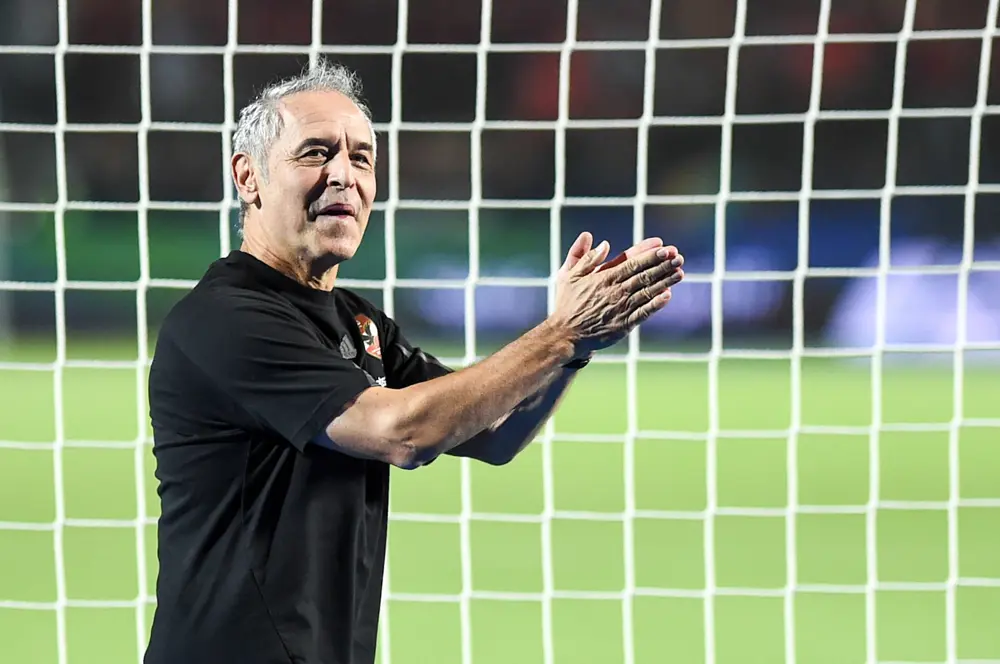
The Sundowns coach pointed to the legacy of Manuel José, the Portuguese coach who became one of the most successful figures in African club football after winning four CAF Champions League titles with Egypt’s Al Ahly.
“Even Manuel José is not recognised for the level of the work he did here, and it's an absolute shame,” Cardoso said.
“They prefer to recognise a guy who is able to sustain a team in Spain, France or England rather than to understand the dimension of the achievements in African football.”
That frustration is not just about national pride. It also reflects a wider debate about how African football is viewed from outside the continent.
The CAF Champions League is physically demanding, tactically varied and emotionally intense. Clubs must travel across difficult conditions, adapt to different climates, surfaces and atmospheres, and cope with the pressure of packed stadiums and unforgiving knockout ties.
Cardoso says those experiences have shaped him far beyond the tactical side of the game.
“I really tell you that I feel very proud to be a Portuguese coach in African football,” he said.
“The experiences that African football has been giving to me, making me grow a lot as a coach, as a human being, as a person that really likes life and appreciates so much the different contexts, the diversity, the culture, the climate, the nature.
“I feel so privileged to be in Africa.”
Across the touchline, Santos has walked a different but equally demanding path.
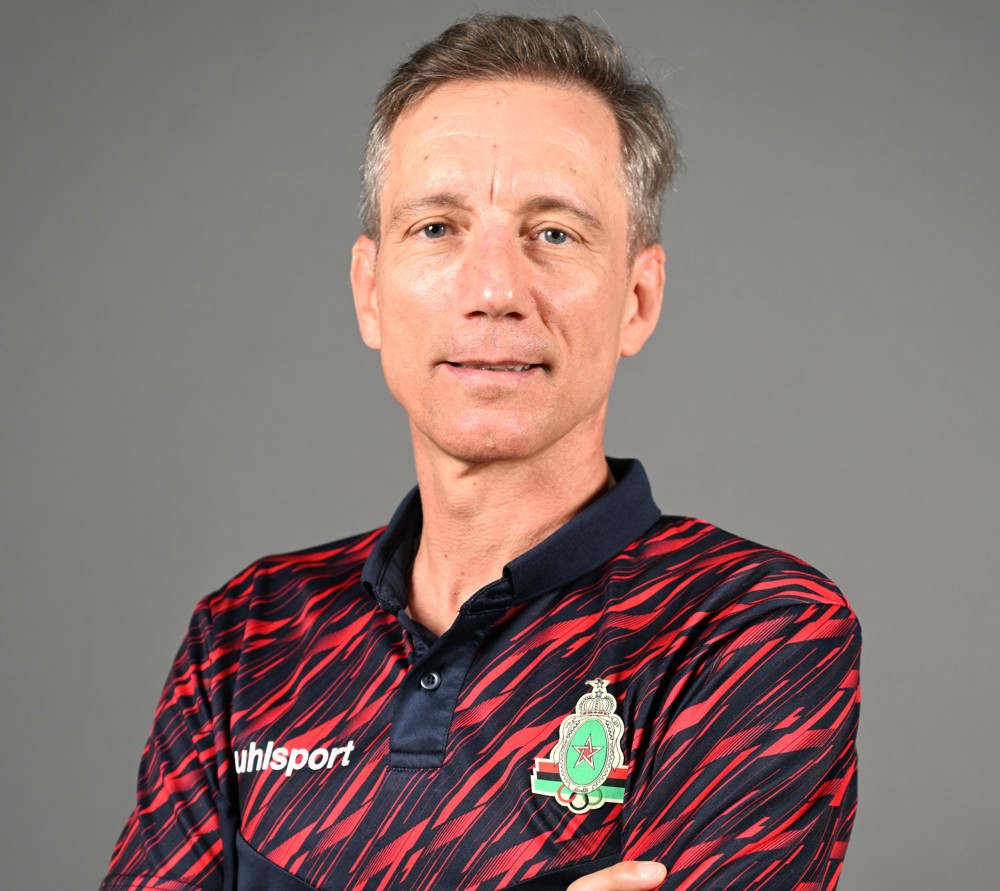
Appointed by FAR Rabat in February 2025, he has helped take the Moroccan club to their first CAF Champions League final since 1985, when they won the title. His rise in African football was already marked by his work with Petro de Luanda in Angola, where he produced notable continental results.
Santos also admitted that Portuguese coaches working in Africa have not always received the attention they deserve.
“Sometimes, we don't have very many approaches from the media in our country,” he said after the first leg.
“In the last few years, some people from Portugal tried to give attention. When I was at Petro and I played against Sundowns, we did a very good job.”
Santos knows Sundowns well. His Petro de Luanda side beat the South African club in the quarter-finals of the 2021-22 CAF Champions League, although they later lost to them in the African Football League in 2023-24.
Now, the two coaches meet with the biggest prize in African club football at stake.
“In this case, one of us will be sad, but it's football - it's life,” Santos said.
“It's a pleasure to play against Cardoso.”
The respect between the two men is clear, but the tactical contest will be fierce.
Cardoso’s Sundowns are built around control, possession and structured attacking football. Since taking charge in December 2024, he has worked to maintain the club’s identity while adding tactical discipline and intensity. Sundowns’ football has long been associated with rhythm and expression, but under Cardoso it has also gained greater organisation.
Their first-leg victory in Pretoria gives them a valuable advantage. They do not need to chase the game in Rabat, and that may allow them to manage the tempo, slow the rhythm when required and use their experience in continental finals.
But FAR Rabat have reason to believe the tie is far from finished.
Santos’ side have been built on organisation, resilience and strong game management. Their run to the final has not always been about flair, but they have shown the ability to suffer, stay compact and find decisive moments.
At home, in front of a passionate Moroccan crowd, FAR are expected to play with greater aggression and urgency. They must score, but they must also avoid opening too many spaces for a Sundowns side capable of punishing mistakes.
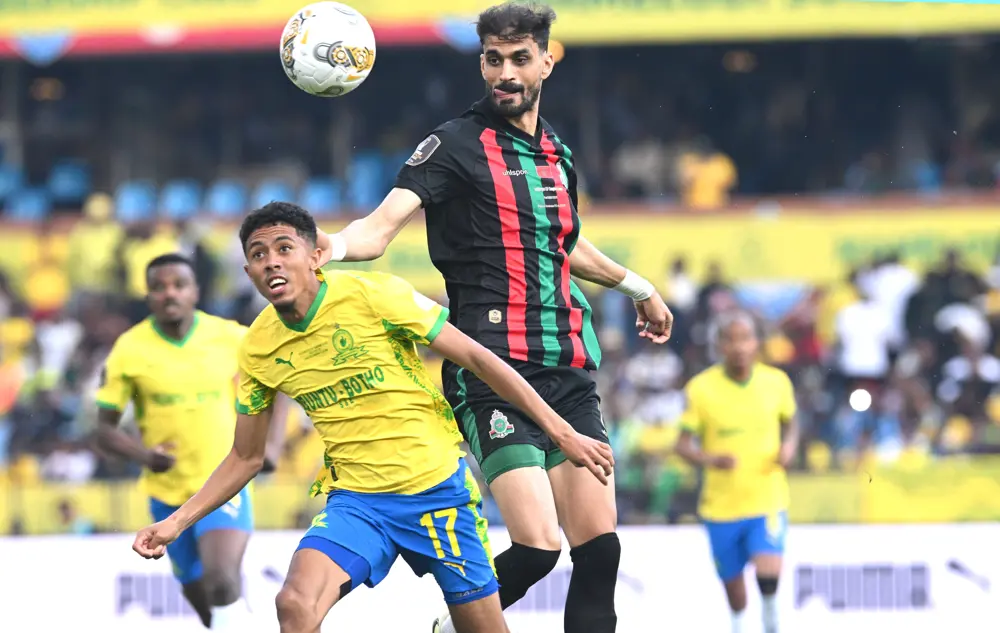
That balance may define the final.
For Sundowns, a goal in Rabat could leave FAR needing three. For the Moroccan club, an early breakthrough could transform the atmosphere and place huge pressure on the South African champions.
The wider story, however, remains the Portuguese imprint on African football.
From Manuel José at Al Ahly to Carlos Queiroz with African national teams, and from José Morais to the modern work of Cardoso and Santos, Portuguese coaches have increasingly become part of the continent’s football development. They have brought structure, tactical flexibility and modern training methods, while African football has given them high-pressure environments in which to grow.
This final is therefore not only Sundowns against FAR Rabat. It is also a meeting of two coaching journeys shaped by Africa.
Cardoso is chasing another chance to turn consistency into continental glory after previous final disappointment. Santos is trying to deliver FAR Rabat’s first African crown in four decades and return the club to the top of the continental game.
Only one Portuguese coach will lift the trophy on Sunday, but both have already made their point.
African football is no longer just a destination for foreign coaches. It is a proving ground, a pressure chamber and, for Cardoso and Santos, a stage big enough to shape reputations far beyond the continent.