




About
Political and administrative capital of Morocco, Rabat will host several matches of the TotalEnergies CAF Africa Cup of Nations 2025. Located on the Atlantic coast, where the Bouregreg River meets the ocean, it blends heritage, modernity, and sporting passion.
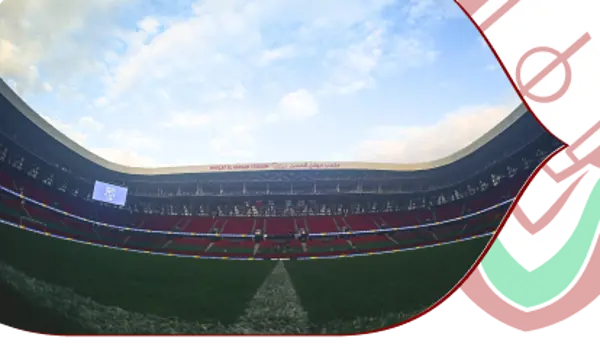
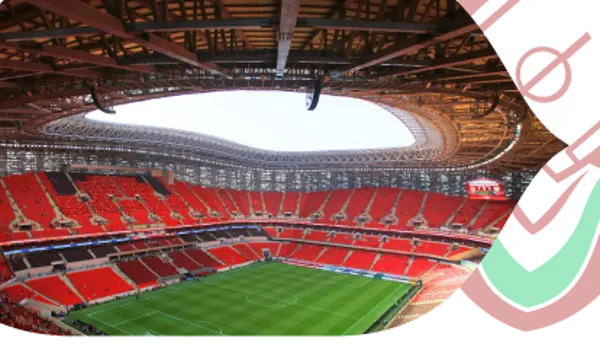
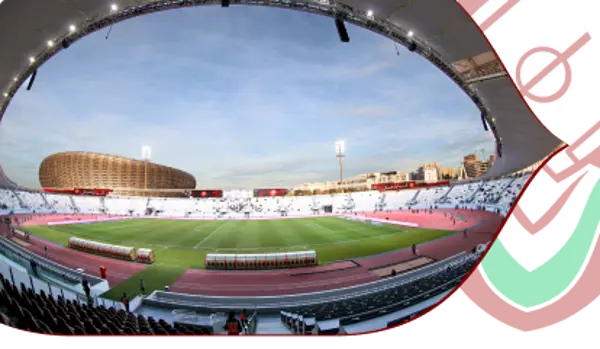
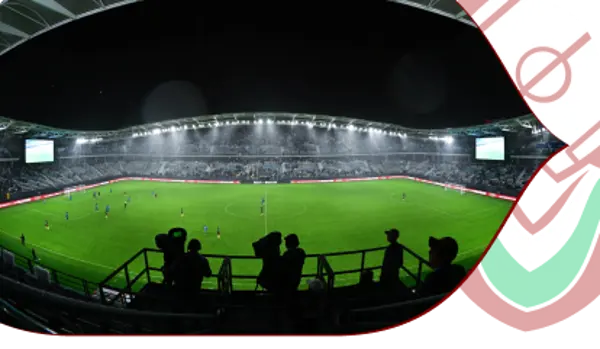
Listed as a UNESCO World Heritage Site since 2012, the city has nearly 1.8 million residents and is admired for its quality of life. Four stadiums will host matches: Stade Moulay Abdellah, Stade Moulay Hassan, Stade Al Barid, and the new Olympic Stadium.
Founded in the 12th century by the Almohads, Rabat was long a political and military centre before becoming the institutional heart of Morocco. The Royal Palace, Parliament, and embassies highlight its status, but the city remains lively with its medina and the Kasbah of the Oudayas. Its colourful alley ways, markets, and beaches make it a capital that is both modern and deeply connected to its roots.
Football in Rabat
Fath Union Sport (FUS)—Moroccan champion in 2016 and CAF Confederation Cup winner in 2010—embodies Rabat’s sporting vitality.
AS FAR, multiple national champion and winner of the 1985 CAF Champions League, remains a continental giant. Stade Marocain (1919), Hilal, Union de Touarga, and Youssoufia Club complete this rich footballing landscape.
In 2025, the opening of the FIFA Central Office for Africa at the Mohammed VI Complex will further reinforce this role.
Getting Around Rabat
Rabat has a modern transport network combining tramway, buses, and train stations (Rabat-Ville, Rabat-Agdal).
The Al Boraq high-speed train links Tangier to Casablanca via the capital. Rabat-Salé Airport, 15 km from the city centre, offers connections to Europe and Africa.
What to visit in Rabat?
Tour Hassan, Mohammed V Mausoleum, Kasbah of the Oudayas, Bouregreg Corniche, Mohammed VI Museum of Modern and Contemporary Art: Rabat offers a rich and diverse heritage, blending tradition, culture, and modernity.