







AFCON 2025: Nigeria set attacking benchmark, group-stage statistics reveal

The numbers from the group stage of the 2025 TotalEnergies CAF Africa Cup of Nations in Morocco underline a tournament driven by attacking ambition, disciplined control and moments of individual excellence.
Across 36 matches, a total of 87 goals were scored, producing an average of 2.42 goals per game, a figure that reflects the positive intent shown by teams from the opening whistle to the final group fixtures on Wednesday night.
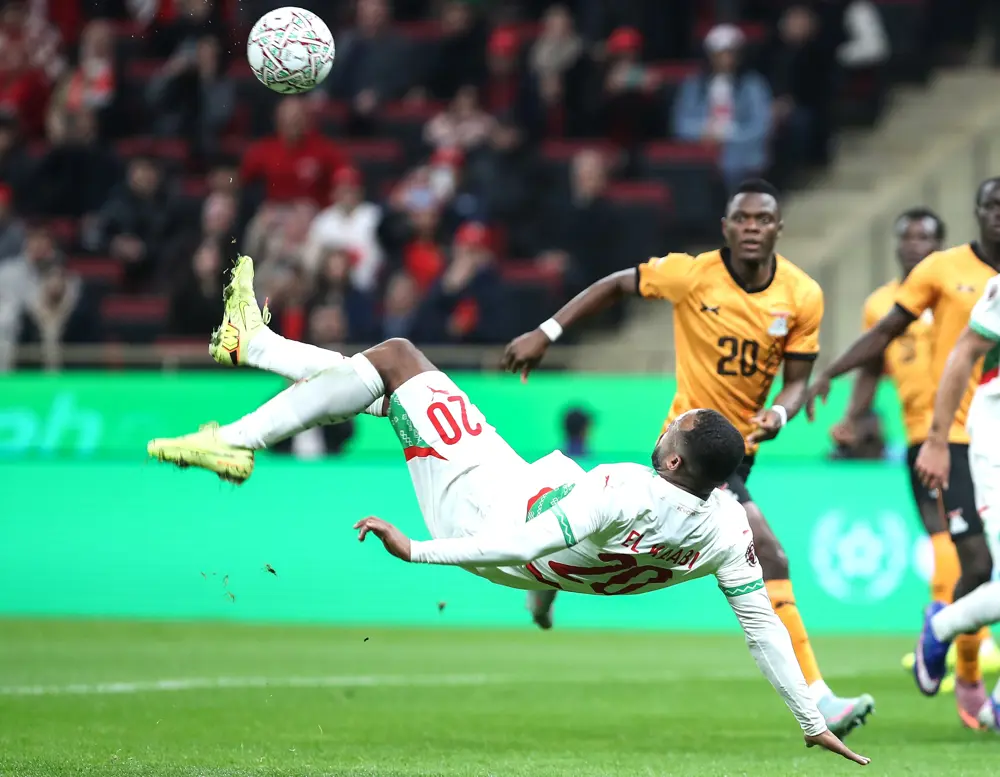
At the head of the scoring charts, Ayoub El Kaabi (Morocco), Brahim Díaz (Morocco) and Riyad Mahrez (Algeria) finished level as the competition’s leading marksmen after the group phase, each with three goals.
Their goals were not merely statistical footnotes. El Kaabi’s clinical finishing powered Morocco’s smooth passage into the knockout rounds, Díaz provided creativity and precision from deeper positions, while Mahrez’s composure and leadership were central to Algeria’s perfect group-stage record.
Nigeria set attacking standard
Beyond individual scorers, Nigeria emerged as the most potent attacking side of the group stage.
The Super Eagles finished with eight goals, the highest tally in the competition, from 21 shots and 10 on target, while also recording the highest average possession rate at 66%.
Those numbers illustrate a side that combined volume with efficiency, dominating territory and converting pressure into goals.
Nigeria’s attacking output stood in contrast to the tournament’s struggles at the other end of the scale, where Botswana recorded the weakest defensive figures, conceding seven goals, managing just one goal scored, and averaging 38% possession.
Discipline and control
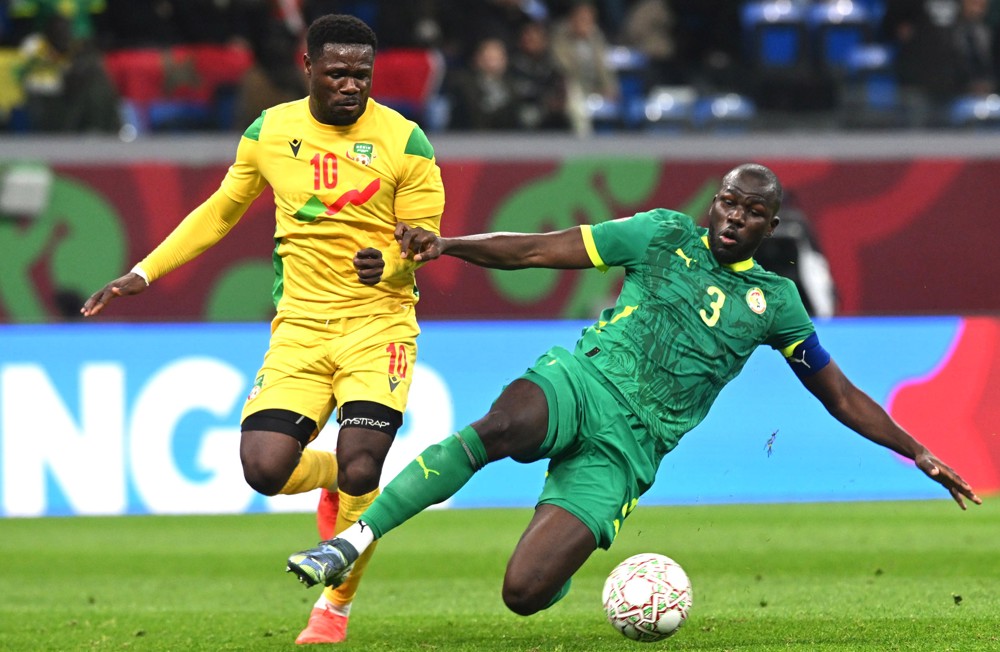
The group stage was not without its edge. A total of 126 yellow cards and six red cards were shown, underlining the physical intensity of the competition as qualification places tightened.
Red cards were spread across several teams, reflecting the fine margins involved when matches swung late and pressure mounted.
Despite the physical demands, many teams managed discipline alongside control, particularly those that advanced with possession-based approaches.
Assists, penalties and game management
The assist charts highlighted teams capable of unlocking defences through movement and combination play, reinforcing the importance of collective attacking patterns rather than reliance on individual brilliance alone.
From the penalty statistics, Tunisia led the way with two spot-kicks awarded, while Algeria, DR Congo, Egypt, Mali, Morocco, Mozambique, Senegal, South Africa, Sudan and Tanzania each earned one.
These moments proved decisive in tight group contests, where a single decision often shaped qualification outcomes.
Possession trends across contenders
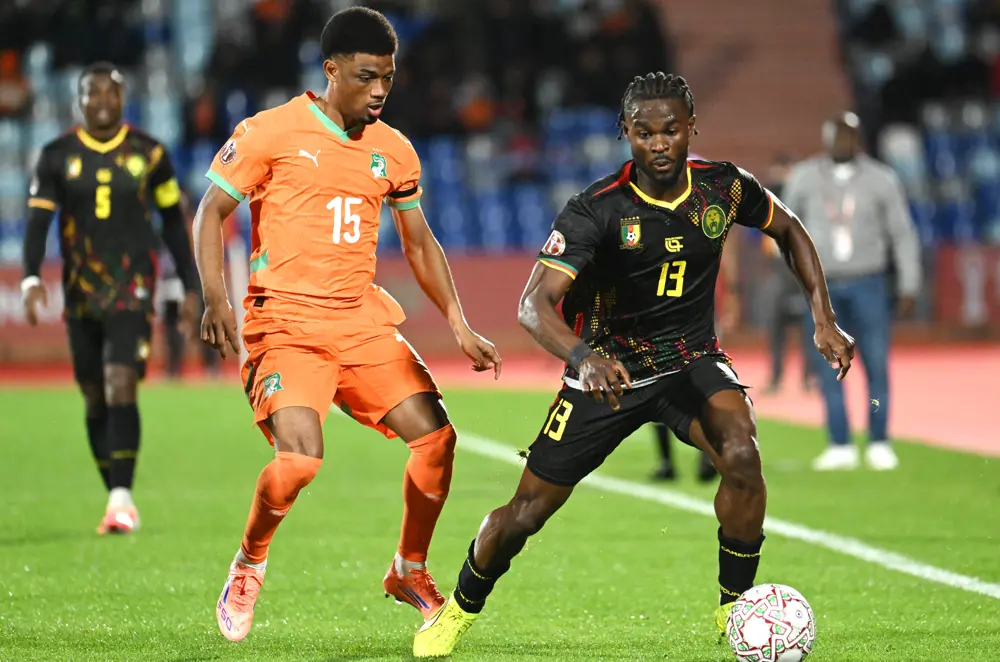
Beyond Nigeria’s dominance, Morocco and South Africa both averaged 62% possession, while Burkina Faso and Côte d’Ivoire followed closely at 60%, highlighting a clear trend among advancing teams: control of the ball as a platform for success.
These figures underline a broader tactical evolution at AFCON 2025, where patient build-up and territorial authority increasingly complemented traditional counter-attacking strengths.
What the numbers suggest next
As the tournament moves into the knockout phase, the statistics provide a clear narrative. Goals have flowed, attacking teams have been rewarded, and efficiency in both boxes has separated contenders from those heading home.
With El Kaabi, Díaz and Mahrez setting the early scoring pace and Nigeria establishing themselves as the group stage’s most dangerous attacking force, the data points toward a knockout stage where margins will be even finer — and where those who balance creativity, discipline and control are most likely to thrive.
The group stage may be over, but the numbers suggest the best is still to come.