







El Haddaoui: The TotalEnergies AFCON Morocco 2025 is writing a new chapter in African football history
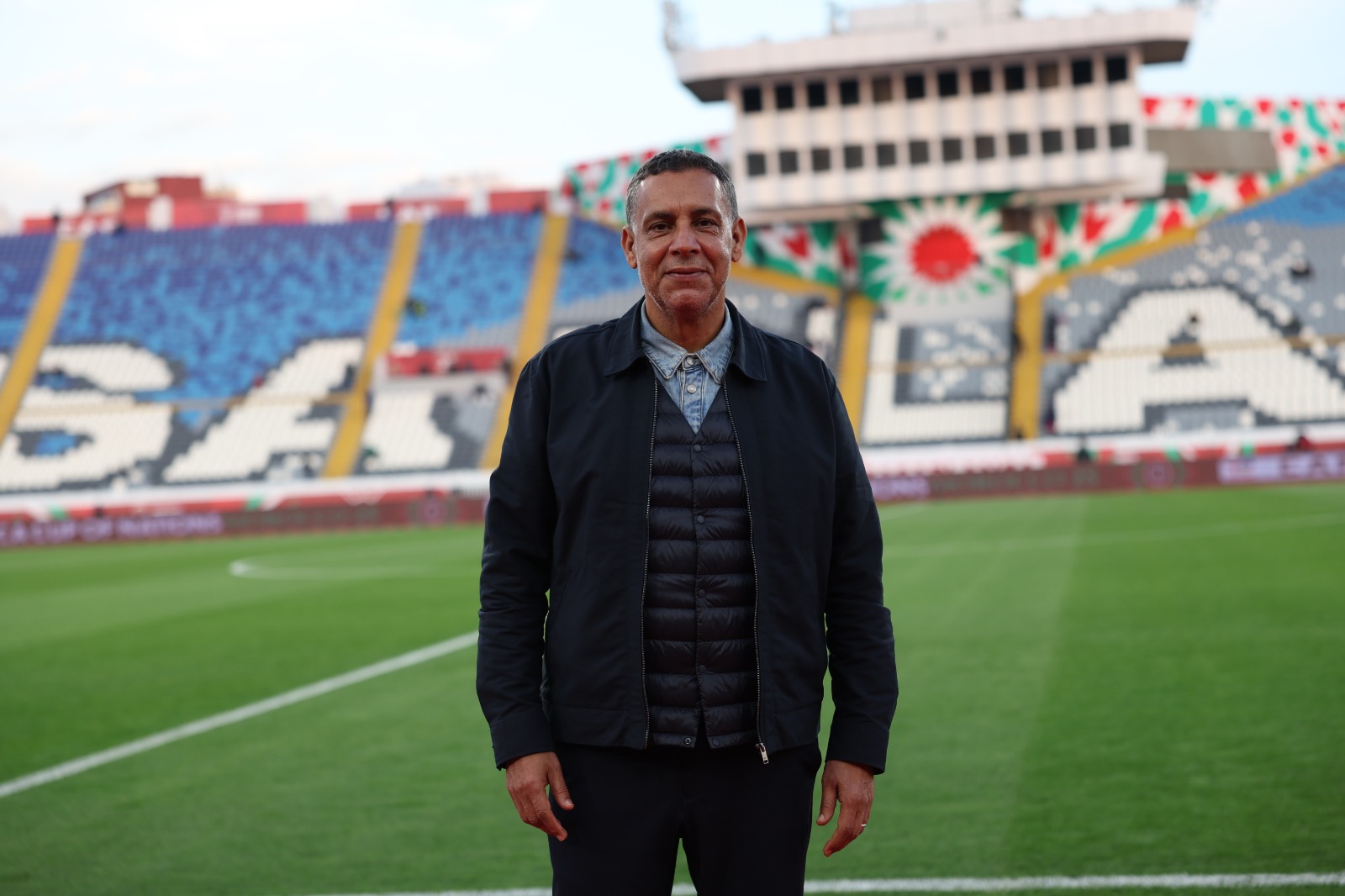
Former Morocco international Mustapha El Haddaoui has described the ongoing edition of the TotalEnergies Africa Cup of Nations (AFCON), Morocco 2025 as an exceptional one, believing that the overall atmosphere reflects the magnitude and continental value of the tournament.
He pointed to the high-quality organization, the strong fan turnout, and the wide diversity of participating teams, adding that the Confederation of African Football (CAF) and Morocco have delivered an impressive start worthy of Africa’s status as a rising footballing force.
El Haddaoui recalled memories of his own appearances with the Atlas Lions at the competition, notably the 1988 edition hosted by Morocco, stressing that the gap between then and now is significant.
He highlighted the professionalism in management and organization as clear evidence of the major progress African football has made over recent decades.
El Haddaoui, the only Moroccan player to have featured at both the 1986 and 1994 FIFA World Cups, spoke about the technical and tactical level of play following the completion of the group stage.
He noted a logical disparity between tournament favourites and teams seeking to make a name for themselves, predicting that this edition could be among the best in the competition’s history.
In an exclusive interview with CAFonline.com, El Haddaoui also addressed the teams that have made a strong start to the tournament, emphasizing that the knockout rounds will be even more exciting.
He added that this competition represents another important step toward confirming Africa’s readiness to host major global events, including the 2030 FIFA World Cup.
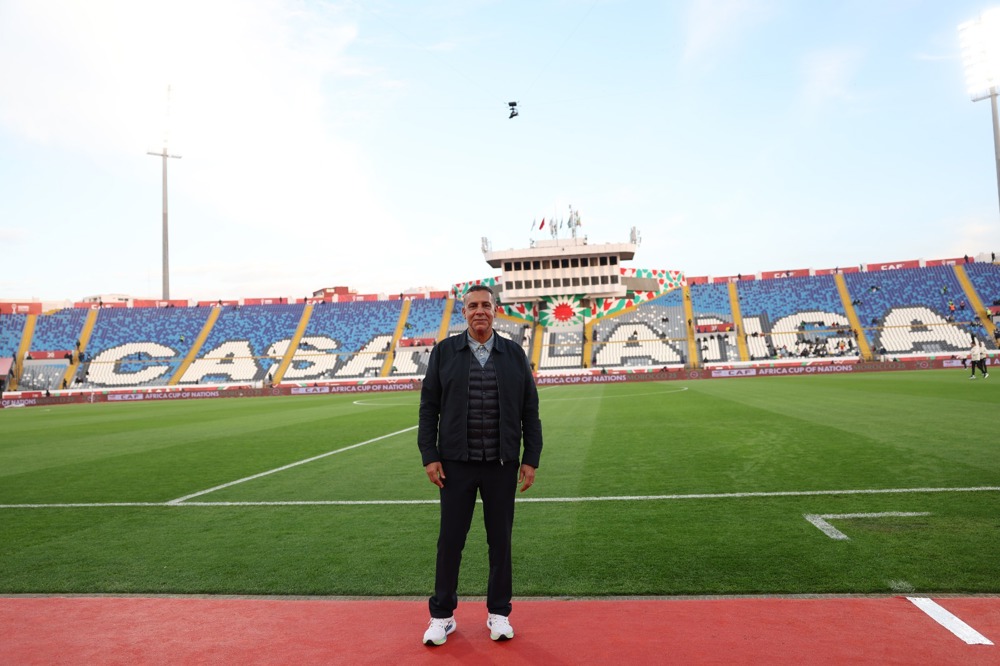
CAFonline.com: How are you experiencing the atmosphere surrounding the TotalEnergies Africa Cup of Nations Morocco 2025?
I’m living the tournament just like all Africans and the fans who have travelled to Morocco to support their national teams. We are experiencing a very good edition of the AFCON, both in terms of CAF’s organization and that of the host country, Morocco. We hope this impressive start continues all the way to the final.
Do these scenes remind you of your younger days as an international player with Morocco?
I had the privilege of taking part in the 1988 AFCON, which was also hosted by Morocco. Unfortunately, we did not manage to win the title, as we were eliminated in the semi-finals by Cameroon, who went on to lift the trophy.
The atmosphere is honestly very different between the two editions. Today, the number of participating teams has increased, infrastructure is of a very high standard, stadiums are excellent, hotels and training facilities are well equipped, and transportation is well organized. We even saw CAF President Patrice Motsepe attend three matches in one day across three different cities.
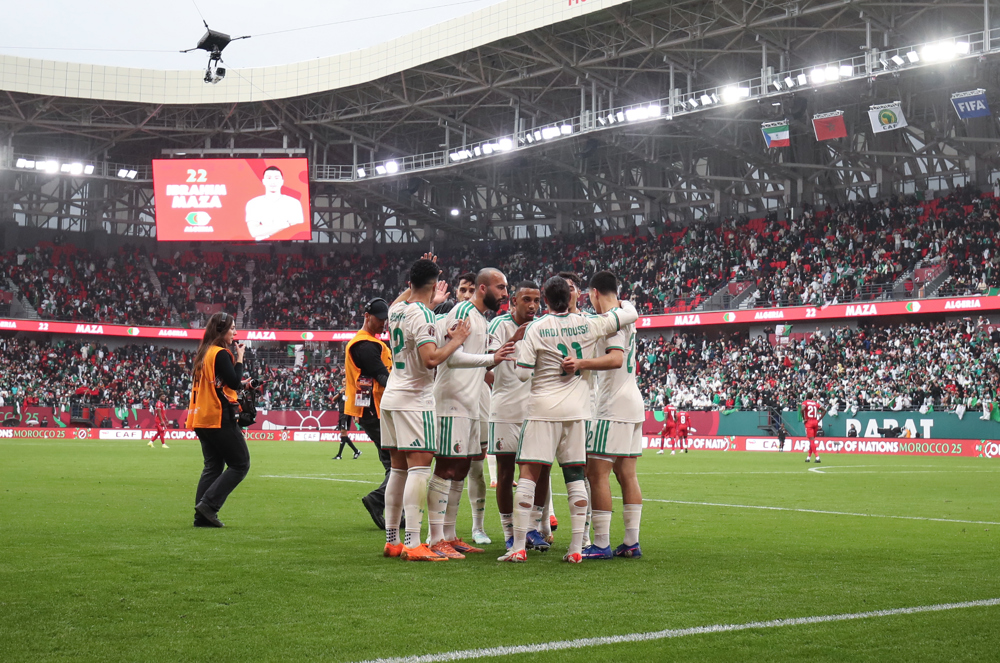
How do you assess the level of competition so far after the group stage, in terms of goals scored and technical and tactical quality?
Some matches were very strong, while others were more average, depending on the strength of the teams involved. The stronger teams and title contenders have deep squads, which makes their matches more competitive.
Other teams have less depth on the bench, and this tournament gives them an opportunity to compete at a high level and raise their standards. This also serves as a platform to market African players, helping them earn moves to major European clubs, further develop themselves, and bring that experience back to their national teams. I hope this will be the best edition of the tournament ever organized.
Which teams have impressed you the most so far?
Teams like Morocco, Algeria, Cameroon, Egypt, Senegal, and Nigeria have all made strong starts. Each of these teams has something to say in this competition, which will make the upcoming rounds exciting and intense. I also want to mention the large crowds attending matches, which is a major difference from previous editions and a source of pride for Africa in organizing such football events. After this level of organization, we will be ready to host the 2030 World Cup in Africa, where we hope all teams will shine after raising their level.
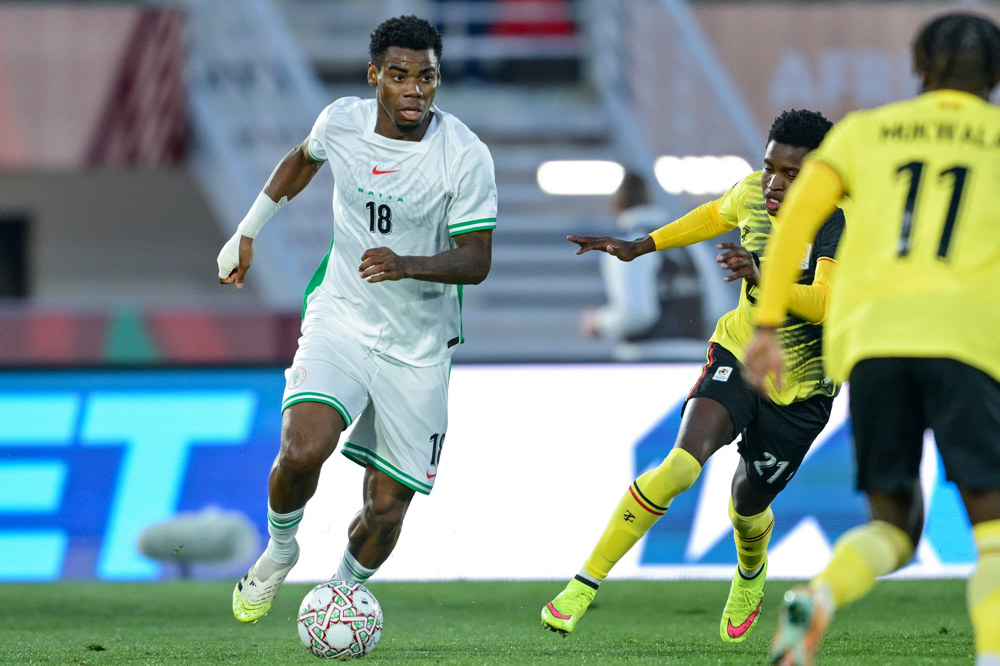
Who do you see going far in the tournament and lifting the continental title? And who could be the dark horse?
I don’t think the surprise will come from an average or unknown team. I believe the champion will be one of the big teams, led by an experienced coach who knows how to manage situations and has top-quality players at his disposal.
Teams like Algeria, Senegal, Nigeria, Morocco, Egypt, Tunisia, DR Congo, and Cameroon all have the potential to go far in the competition.
What stands out as different in this edition compared to previous tournaments?
The number of teams has increased to 24, infrastructure standards have improved significantly, and even the small details that make a difference have been carefully considered by the organizers and CAF.
A lot of work is being done behind the scenes. There is also far greater global media coverage than in the past, which will have a positive impact in the future. Truly, everything has been impressive.
How do you evaluate the development of African football through this edition of the tournament?
Football has changed a lot in recent years, and African football has kept pace with these changes, whether in sports infrastructure, world-class stadiums, or the improved standard of refereeing.
It is often said that the current generation of players lacks technical flair, with tactical discipline now taking precedence. Do you think this has reduced the enjoyment of football compared to your generation?
I agree with that view. In the past, every team had five or six players with very high technical ability who entertained fans seeking flair and excitement. That has become quite rare today. I think during player development, coaches now discourage excessive dribbling. Players should be given freedom at a young age, because from around 15 years old, tactical work and physical conditioning begin to take priority.
In the past, African football produced incredibly skillful players like Belloumi, Madjer, and many others we cannot all mention. Back then, there were exceptional players who decided matches.
As a former Morocco international, how do you assess the Atlas Lions’ performances so far?
Apart from the match against Mali, the Atlas Lions have shown great potential in the matches they’ve played so far. There is also strong public pressure, which I hope will be positive. God willing, we will see a great Moroccan team striving to achieve its sole objective: winning the AFCON and keeping the trophy in Rabat.