















Humberto Bettencourt named new Cape Verde coach after Bubista departure
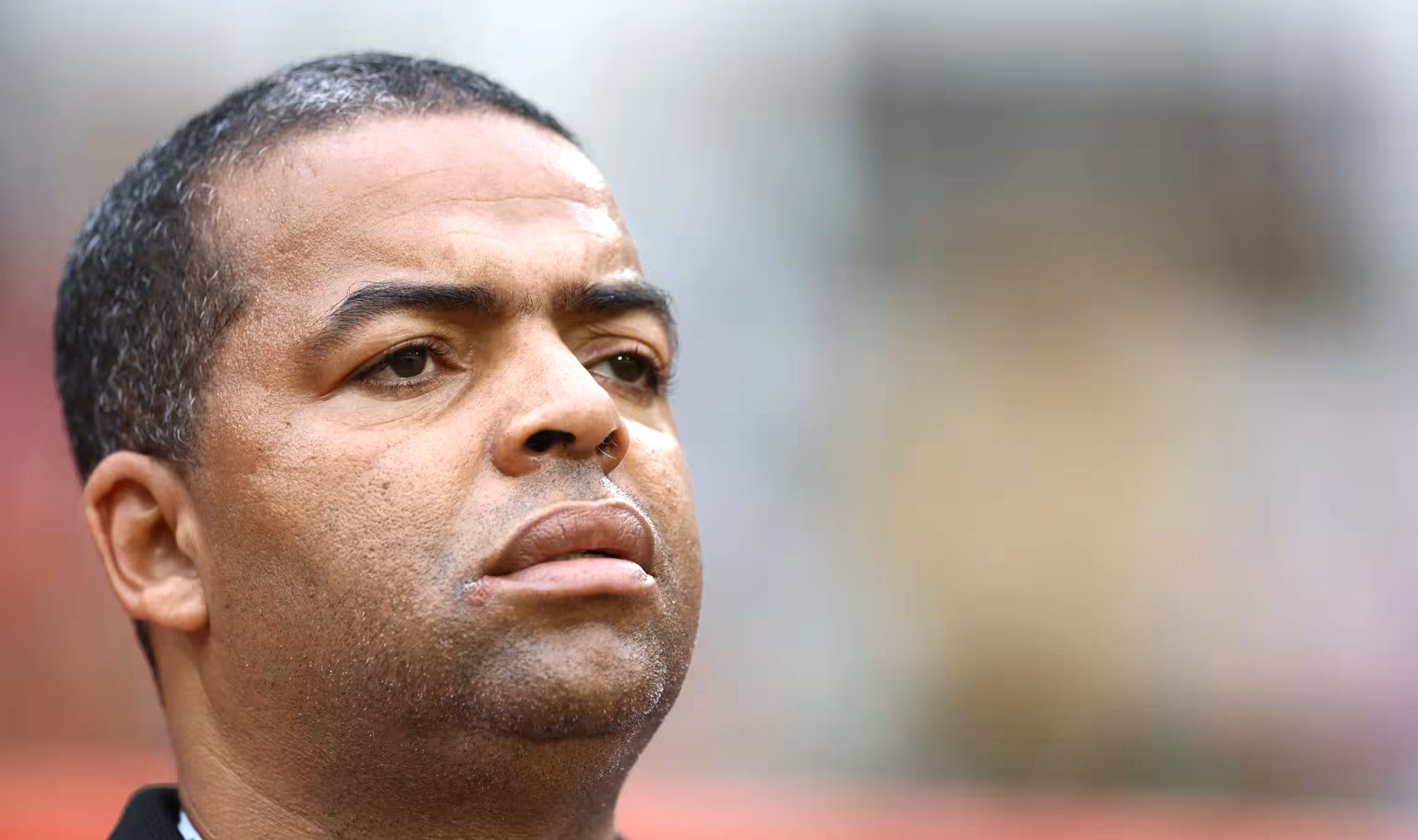
Cape Verde have appointed Humberto Bettencourt as their new head coach, promoting the long-serving assistant as the Blue Sharks seek to build on their historic FIFA World Cup 2026 campaign.
The 51-year-old succeeds Bubista, who left the national team to take charge of Moroccan club RS Berkane.
Bettencourt had worked as Bubista’s assistant for six years and was an important part of the technical team behind Cape Verde’s rise in international football, including their impressive debut at the 2026 World Cup.
The Cape Verdean Football Federation has opted for continuity rather than a complete change of direction, with Bettencourt already familiar with the squad, playing philosophy and structures that helped deliver one of the country’s greatest sporting achievements.
His first major assignment will be preparing Cabo Verde for their upcoming 2027 TotalEnergies CAF Africa Cup of Nations qualifiers, with important matches scheduled during the September and October international windows.

Continuity after historic World Cup
Bettencourt’s promotion comes after a memorable World Cup campaign in which Cape Verde exceeded expectations against some of international football’s most established nations.
Making their first appearance at the global tournament, the Blue Sharks emerged as one of the competition’s surprise packages.
They became the only side to avoid defeat against eventual champions Spain, while also earning a draw against Uruguay.
Their campaign eventually ended against Argentina in the round of 32, but only after they pushed the South American giants into extra time.
Those performances further enhanced the reputation of a national side that has made significant progress in recent years despite representing one of Africa’s smaller countries by population.
Bettencourt was closely involved throughout that journey and his detailed tactical knowledge of the squad is understood to have played an important role in the decision to promote him.
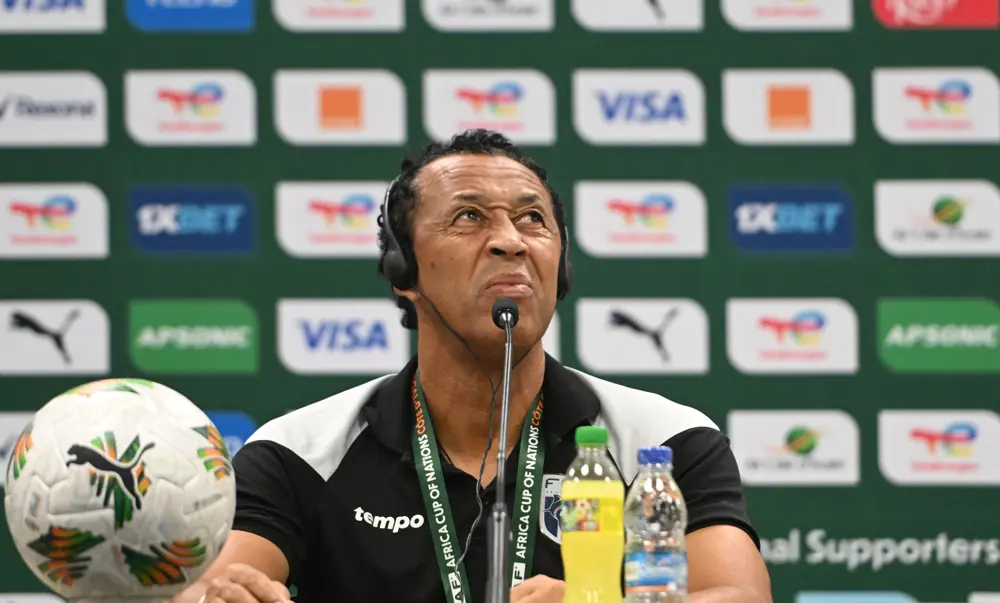
Six years alongside Bubista
The new coach spent six years working as Bubista’s number two and was involved in the planning and preparation that helped transform Cape Verde into an increasingly competitive force.
That experience should allow him to take over without requiring a lengthy period of adjustment.
Rather than introducing an entirely new technical direction, the federation has chosen a coach already familiar with the players and the methods that underpinned the team’s recent success.
Bubista’s departure brought an end to an important chapter for Cape Verde after he accepted the opportunity to manage Moroccan club RS Berkane.
His replacement now inherits a side carrying greater expectations following its World Cup performances.
The challenge for Bettencourt will be to preserve the qualities that made Cabo Verde difficult to beat while also introducing his own ideas as the man ultimately responsible for results.

AFCON qualification first major test
Attention will quickly turn to the Africa Cup of Nations qualifying campaign.
Cape Verde have key fixtures scheduled during the September and October windows, giving Bettencourt little time before his first competitive tests as head coach.
The Blue Sharks will be expected to use their World Cup experience as a platform for further progress on the African stage.
Their performances in 2026 demonstrated an ability to compete with elite opposition, but maintaining that level over a full qualifying campaign will provide a different challenge.
Bettencourt will also have to manage the increased expectations created by the national team’s rapid rise.
Cape Verde are no longer likely to be viewed simply as outsiders, particularly after their performances against Spain, Uruguay and Argentina.
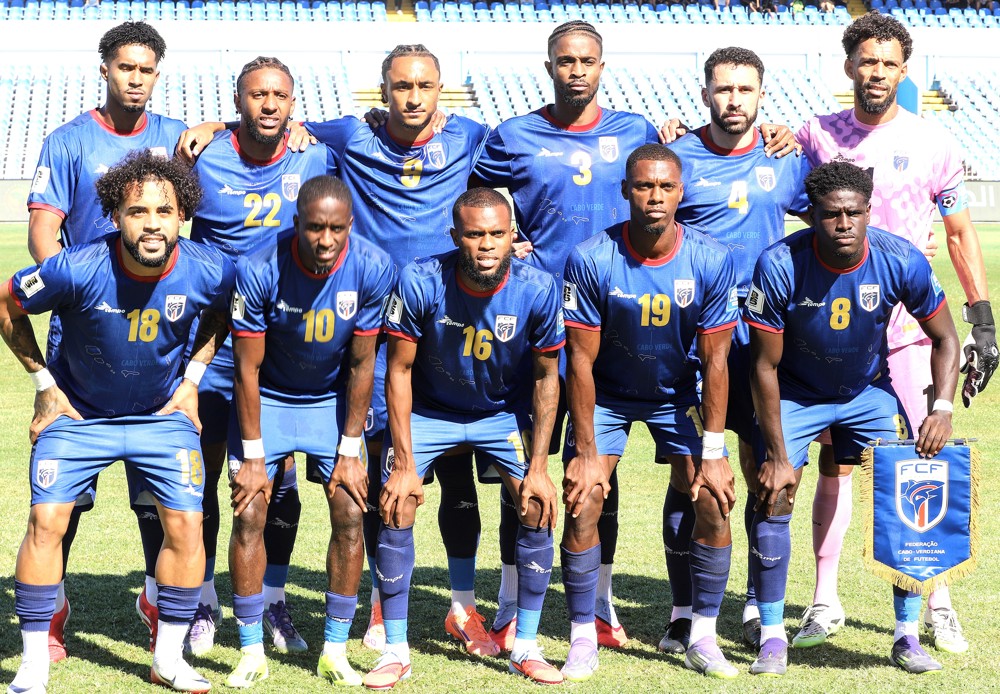
New role, familiar project
The appointment represents Bettencourt’s opportunity to move from an influential position behind the scenes to becoming the public face of the national team’s next phase.
His familiarity with the squad could prove particularly valuable during the transition.
Players who worked under Bubista will already know Bettencourt’s methods, while the new coach will have detailed knowledge of individual strengths, tactical roles and the internal dynamics of the group.
For the federation, his promotion is also a statement of faith in the project developed over recent years rather than a decision to rebuild after Bubista’s departure.
Cape Verde’s historic World Cup appearance has raised the profile of football in the island nation and provided a benchmark for what the Blue Sharks can achieve.
Bettencourt’s task is now to ensure that the tournament in North America is remembered not as an isolated high point, but as the foundation for sustained success.