










Inside Morocco’s football revolution: The academy producing AFCON stars
As Morocco prepare to host the TotalEnergies CAF Africa Cup of Nations 2025, the story dominating the national mood is not simply the search for a long-awaited continental title.
It is the arrival of a generation shaped by a single institution — the Mohammed VI Football Academy — whose graduates now sit at the heart of the national team.
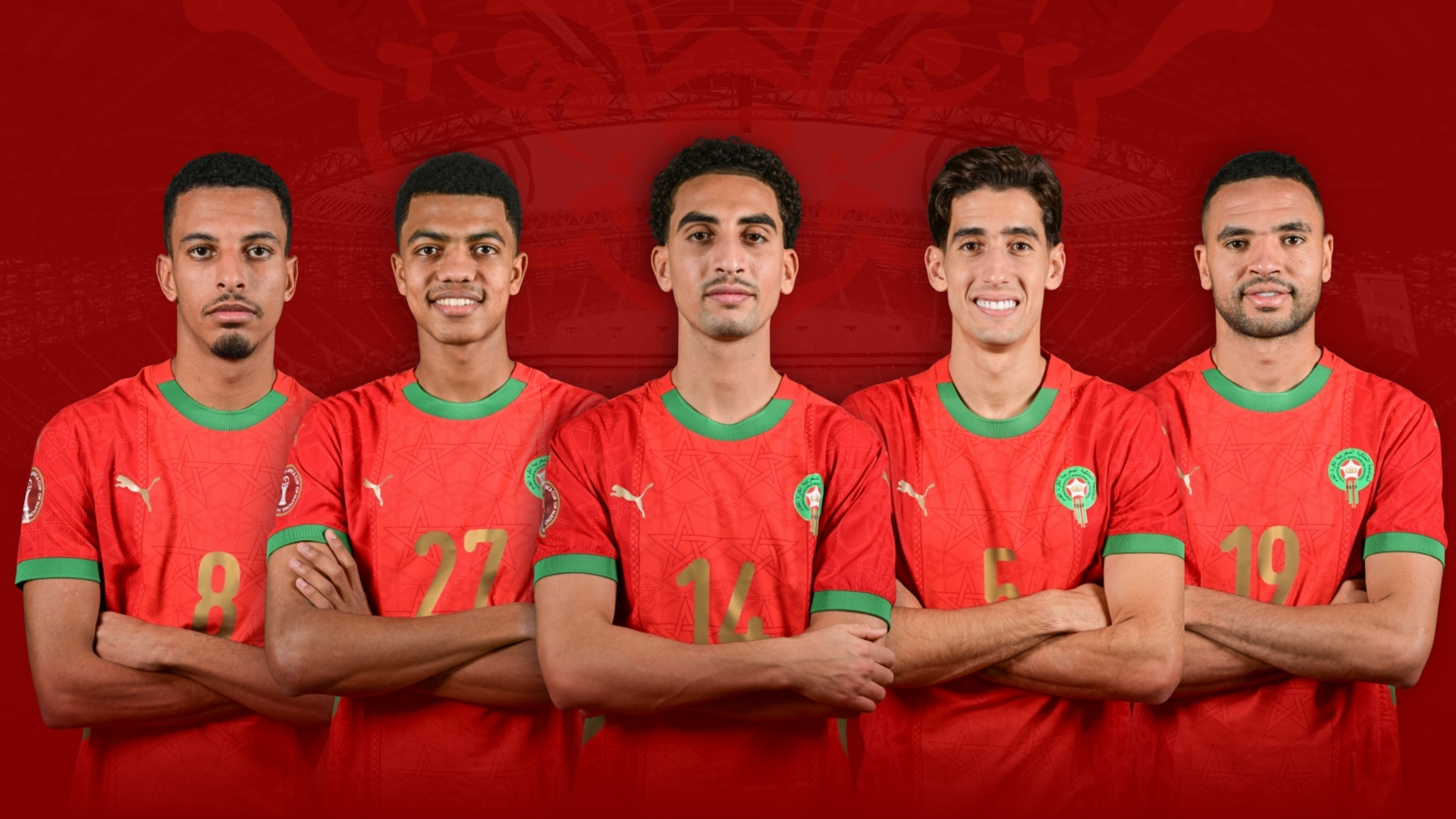
Five members of Walid Regragui’s AFCON squad — Nayef Aguerd, Azzedine Ounahi, Oussama Targhalline, Youssef En-Nesyri and Abdelhamid Aït Boudlal — all emerged from the academy.
Each took a different path, from central defence to midfield artistry to goal scoring, but all share the same footballing education and the same national narrative.
Their rise is not accidental. It is the product of a long-term project initiated nearly two decades ago, built from scratch, and now widely viewed as one of the continent’s most influential talent factories.
A Vision That Became Structure
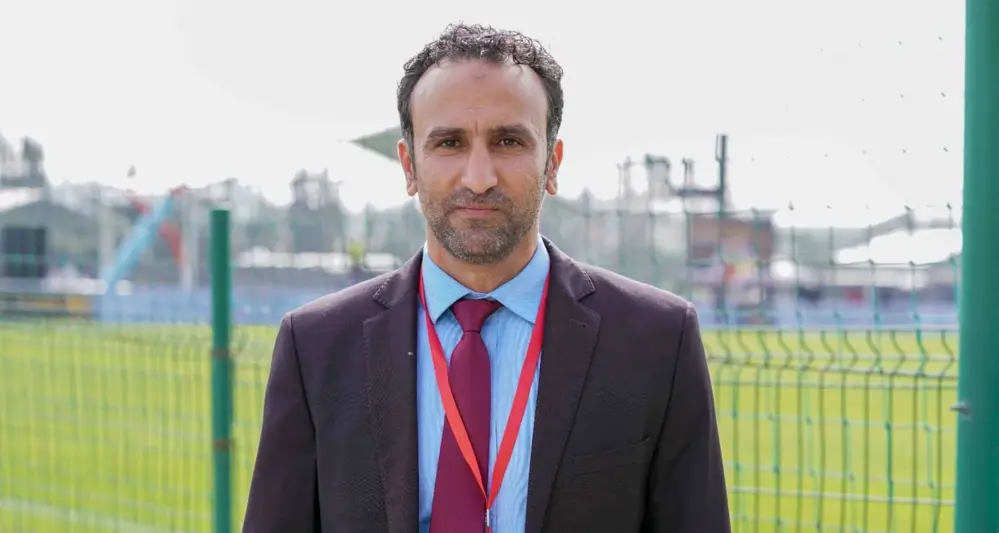
The academy’s recruitment chief, Tarik El Khazri, is quick to stress that the institution did not grow out of chance, but out of intention.
“The Mohammed VI Academy was the result of a vision and a royal initiative of His Majesty King Mohammed VI,” he says.
It is unusual, even in global football, for an academy to be born from a state-level strategy rather than a club’s necessity. Yet Morocco’s long-standing ambition to modernise its football ecosystem required a system capable of producing elite players consistently rather than sporadically.
That challenge was handed to French-Moroccan coach Nasser Larguet when he became the academy’s first technical director.
“I arrived with a blank sheet of paper on a project driven by His Majesty,” he recalls.
The task was monumental: designing an institution before designing footballers. Between 2007 and 2010, everything needed to be created — the architectural plan, the sporting curriculum, the educational model, the selection pathway.
Larguet travelled the country, observing more than 15,000 children. Only 37 were selected.
It was ruthless, yes — but purposeful. And within two years, the signs were unmistakable.
“By the second year, academy players were joining the under-17, under-20 and Olympic teams,” Larguet says.
The pipeline had begun.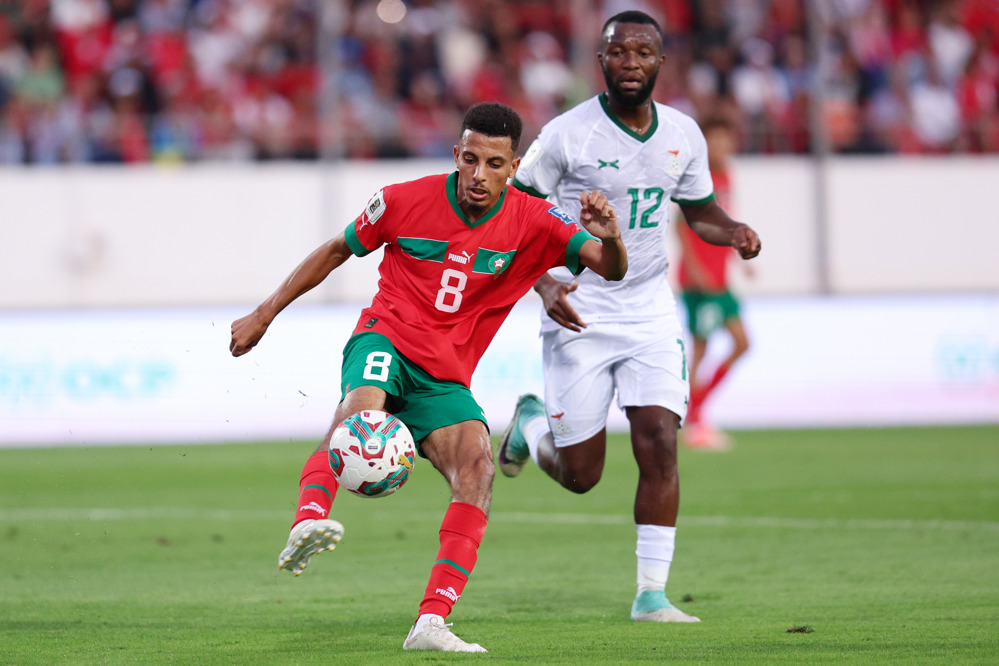
One Academy, Five Journeys
The academy’s fingerprints are now visible across Morocco’s AFCON squad. El Khazri describes it as a recognisable identity:
“Today, people speak of a genuine AMF brand.”
That brand is defined not only by technical precision — the comfort under pressure, the intelligence in tight spaces — but by an attitude that has become the academy’s hallmark.
“There is humility in their work and a clear awareness that they represent something bigger than the individual,” he explains.
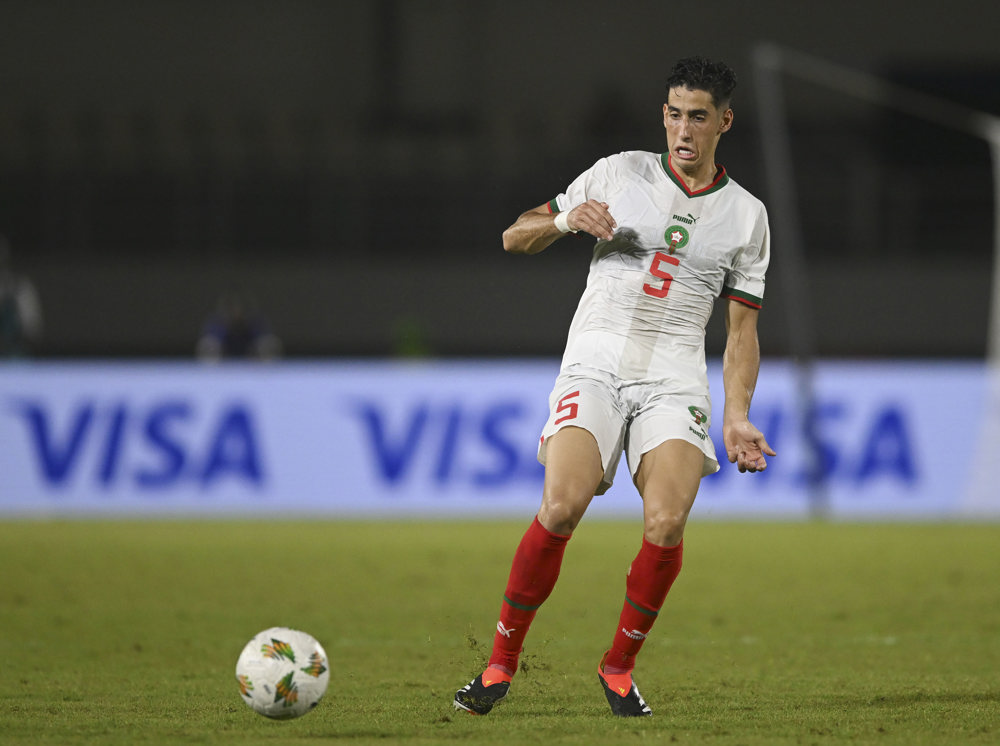
Nayef Aguerd, the composed central defender, embodies that responsibility. Azzedine Ounahi gives Morocco its rhythm, controlling the tempo with an elegance reminiscent of classic playmakers.
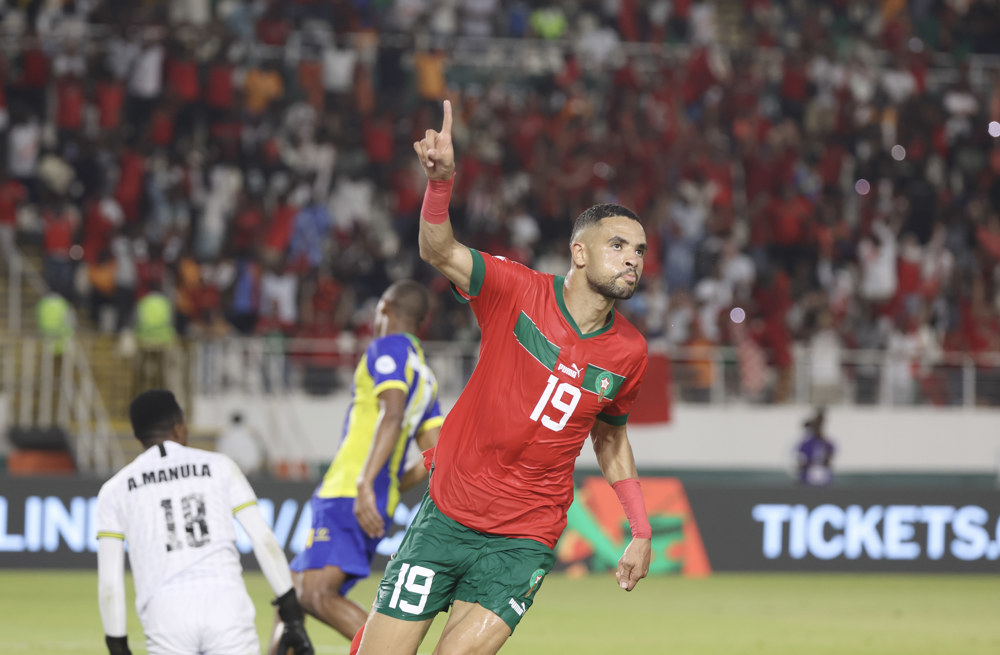
Targhalline offers balance and structure in midfield. En-Nesyri, raw and fast when he first arrived as a teenager, developed the athletic intelligence that now makes him a big-game striker.
Aït Boudlal represents the continuing line — the next generation shaped by the same standards.
Different stories, the same foundation.
A Model Proven Under Pressure
El Khazri insists that the academy’s success is not measured by professional debuts or European transfers.
“The maturity of a model is measured by its ability to produce starters and leaders in high-pressure environments, not just professionals,” he says.
For him, talent identification is not triumph — longevity is.
“The bet is never won at detection or signing. It is won when the player stabilises his level with his club and the senior national team, over time.”
The target has always been a decade of elite football.
Numbers indicate the model is working. Of the 57 players who passed through the academy during Larguet’s mandate, 47 became professionals. Fifteen moved to Europe. Several have taken part in World Cups, Olympic tournaments and multiple AFCONs.
Morocco’s development system has evolved from an experiment to a structured and respected pathway — one increasingly studied by other African federations.

Education at the Heart of Development
Yet the academy’s most distinctive feature may not be its football programme at all. At the centre of its philosophy lies one principle, which Larguet believes defines everything.
“When we spoke about education, we said everything,” he insists.
It meant discipline, daily structure, a respect for collective living. It meant schoolwork woven into football life, creating athletes equipped to handle adversity — not only professionally, but personally.
Children entered the academy at nine, ten or twelve years old. Most would never become professional footballers. Larguet says the academy was always transparent about that reality.
“A career ends at 30 or 35. You must anticipate what comes after.”
This educational grounding produced players who could withstand pressure, navigate setbacks, and carry national expectations without being overwhelmed.
AFCON 2025: A Showcase on Home Soil
As Morocco host the continent once again, the academy’s rise is seen as both symbolic and instructive — proof that African excellence can be produced on African soil.
“Africa is capable of producing excellence for Africa,” El Khazri says.
The Mohammed VI Academy now stands as a continental reference point, combining advanced infrastructure with an innovative methodology, built in harmony with Morocco’s cultural and sporting identity.
Larguet stresses the deeper message: “We can succeed here at home.”
No longer must a young Moroccan talent rely on early departure for Europe to fulfil his potential. The academy has changed the equation.
A Player’s Pride, A Nation’s Moment
For Aguerd, playing AFCON on home soil carries a meaning deeper than football.
“Being part of this team playing AFCON in Morocco was a tremendous honour,” he says.
He is quick to acknowledge the vision that shaped his career.
“All thanks go to His Majesty King Mohammed VI for his global vision of Moroccan and African football.”
For him, representing the academy at AFCON is both a privilege and a duty.
“We gave everything to defend this academy, our country, and its values.”
A Legacy Still Being Written
What will the story of this tournament be in twenty years? A triumph? The birth of a new football epoch?
El Khazri offers an answer that captures the dual ambition of Moroccan football.
“I choose both: a title, and a founding chapter in the history of the Mohammed VI Academy.”
Morocco’s greatest hope is not just to win an AFCON they have chased since 1976.
It is to confirm that the project launched nearly two decades ago — crafted carefully, patiently, purposefully — has created a new blueprint for African football success.