













Seven titles later, Egypt return to AFCON as history’s benchmark and present contenders
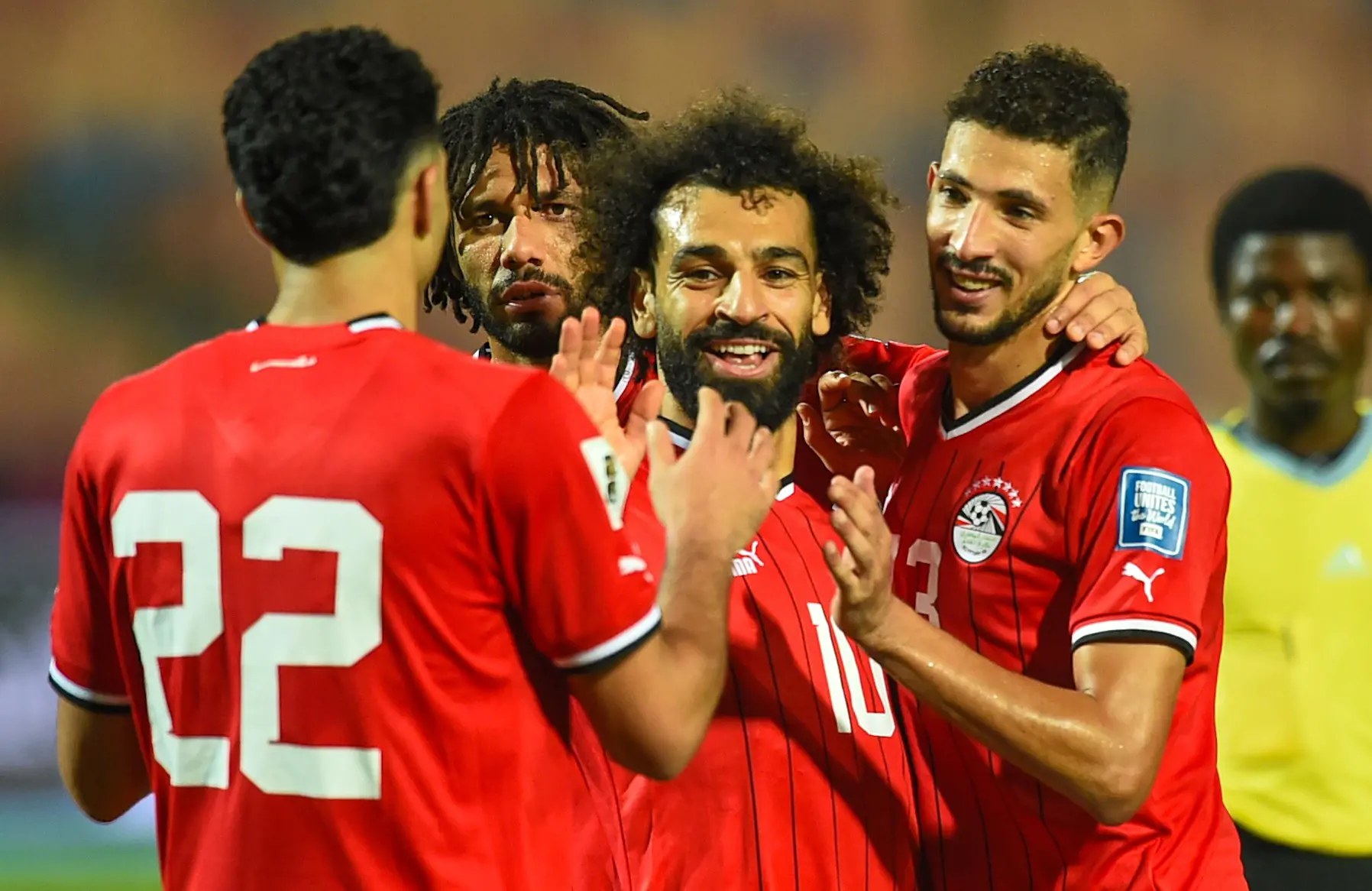
When the first whistle sounds in Morocco today (Sunday) to launch the 2025 TotalEnergies CAF Africa Cup of Nations, no nation arrives carrying a heavier sense of history than Egypt.
Seven-time champions of Africa, the Pharaohs are not merely participants in this tournament — they are its reference point.
Every new edition of the Africa Cup of Nations invites comparison with Egypt’s past dominance, and every contender is measured, directly or indirectly, against the standard they set.
As Africa’s flagship football competition returns, Egypt once again step into the spotlight as both custodians of the past and credible challengers for the present.
The weight of seven titles
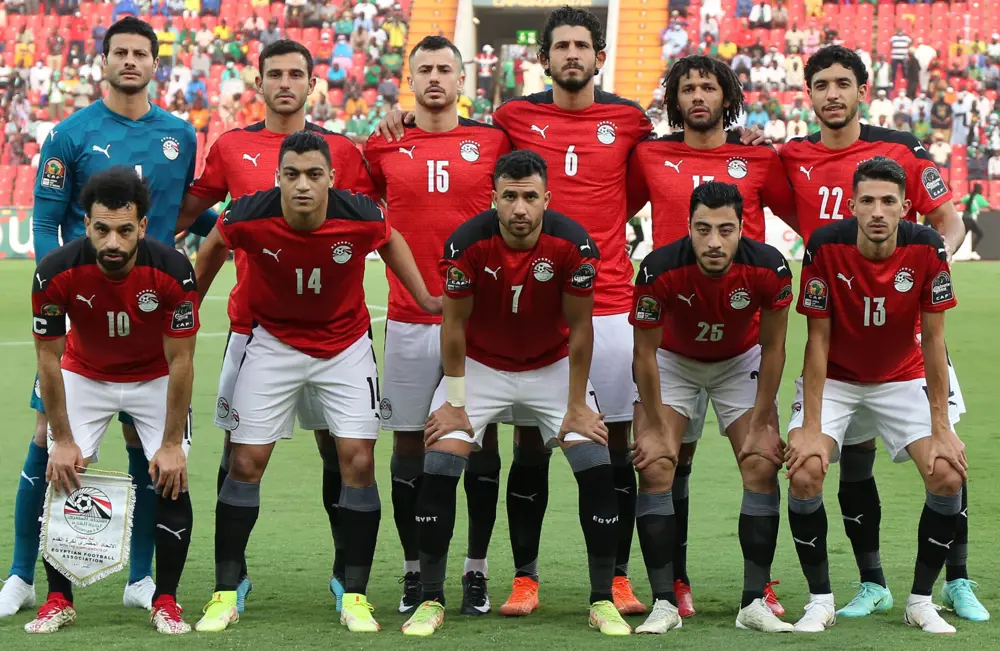
Egypt remain the most successful nation in AFCON history, having lifted the trophy seven times and reached the final on 10 occasions.
No other country has won the competition more often, and none has matched their most extraordinary achievement — winning the title three times in succession.
That unprecedented run, achieved between 2006 and 2010, reshaped the modern narrative of African international football. In an era of growing professionalism and tactical sophistication, Egypt set a benchmark for consistency that still stands untouched.
Their triumphs came across three different host nations — Egypt (2006), Ghana (2008) and Angola (2010) — underlining a dominance that travelled well beyond home advantage.
A dynasty built on structure, not stardom
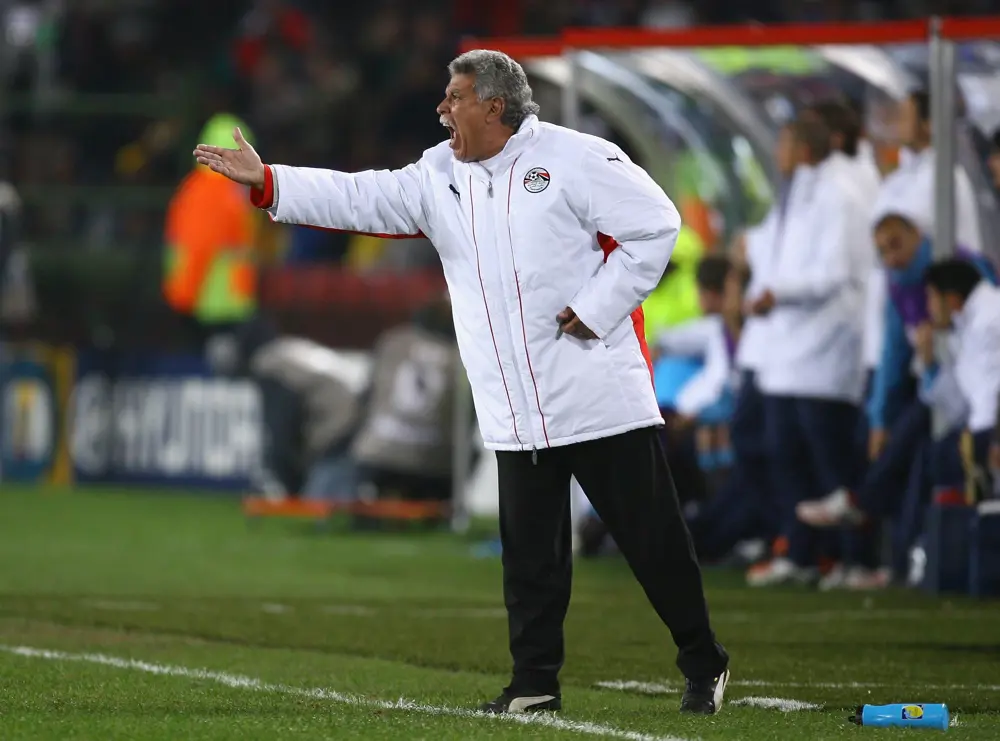
At the heart of that golden era was head coach Hassan Shehata, whose calm authority and belief in cohesion over celebrity transformed Egypt into a machine of collective purpose.
Shehata relied heavily on domestic-based players who understood the rhythm, physicality and tactical demands of African football.
Rather than chasing flair, Egypt prioritised discipline, positional intelligence and emotional control — qualities that repeatedly carried them through high-pressure knockout matches.
The team’s identity was clear: controlled possession, compact defending, and ruthless efficiency at decisive moments.
Icons who defined an era
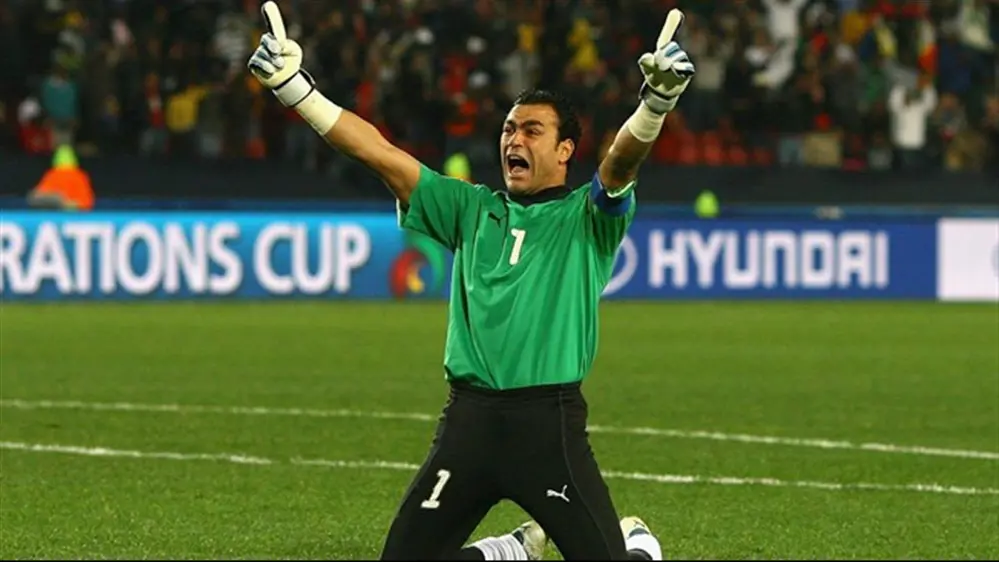
That dominance was anchored by some of the most influential figures in AFCON history.
Goalkeeper Essam El Hadary, ever-present across the three titles, became synonymous with composure under pressure, particularly in penalty shootouts. His leadership from the back provided Egypt with psychological as well as tactical security.
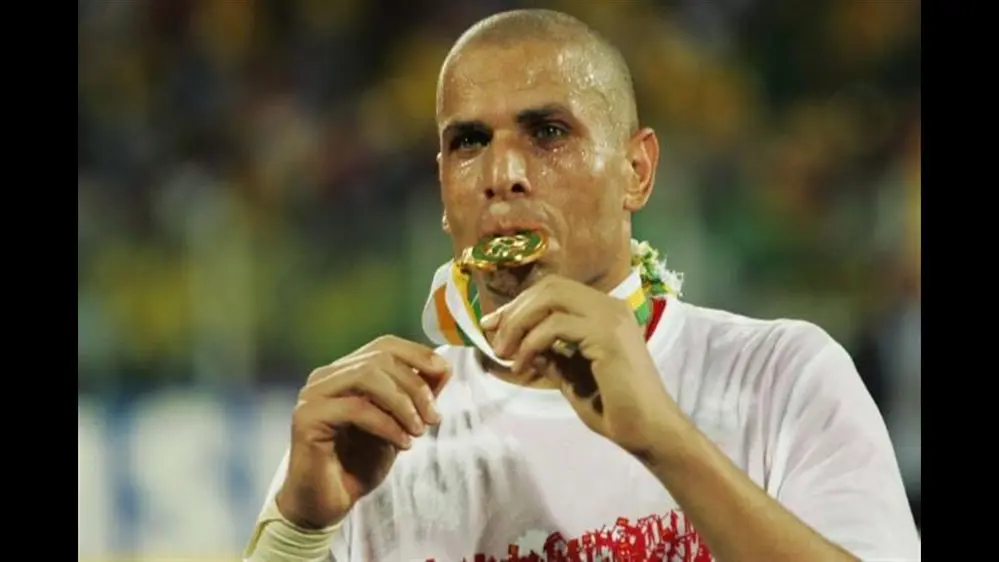
In defence, Wael Gomaa offered reliability and authority, while midfield leaders Ahmed Hassan and Hosny Abd Rabo controlled the tempo of games. Hassan’s performances earned him Player of the Tournament honours in 2010, while Abd Rabo was the standout figure of the 2008 triumph.
Further forward, Mohamed Aboutrika supplied creativity and calm at decisive moments, famously converting the winning penalty in the 2006 final. Strikers Amr Zaki, Mohamed Zidan and later Gedo, whose goals powered the 2010 campaign, ensured Egypt always carried a cutting edge.
Together, they formed a side that did not rely on moments — it manufactured outcomes.
From legacy to renewal
Since their last title in 2010, Egypt’s relationship with AFCON has been more complex. The Pharaohs have endured long absences, painful near-misses and early exits, including runner-up finishes and round-of-16 eliminations between 2017 and 2024.
Yet even during periods of transition, Egypt have remained a presence rather than a footnote — finalists in 2017, regular qualifiers, and constant contenders.
That resilience is why they begin AFCON 2025 not as nostalgia-driven outsiders, but as a team widely regarded as capable of contending again.
Group B and the path ahead
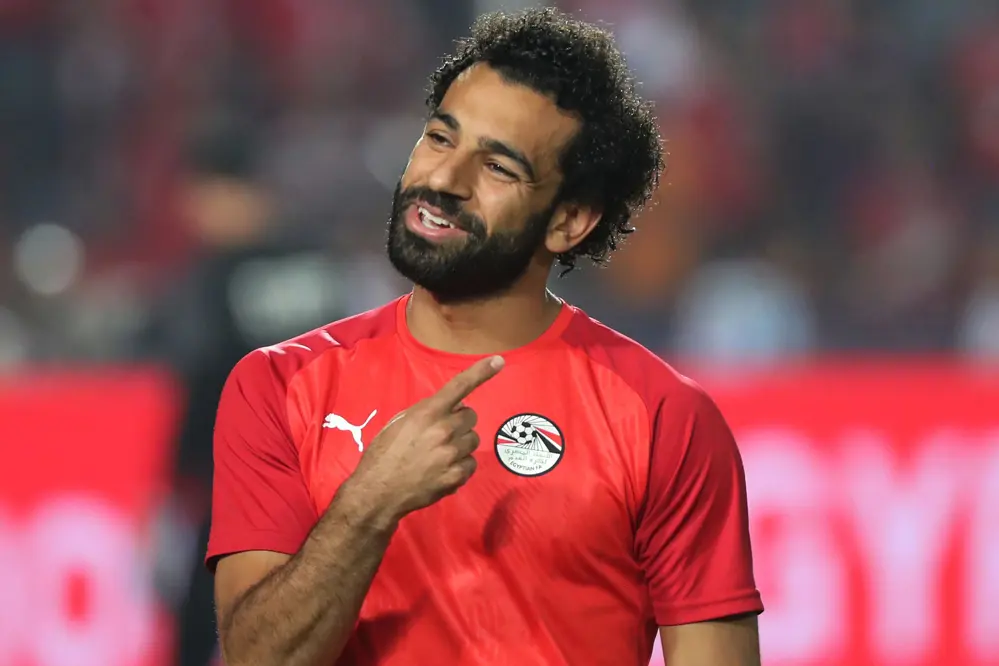
Egypt open their 2025 campaign in Group B, alongside South Africa, Angola and Zimbabwe — a section that demands focus and control rather than flair.
It is precisely the kind of environment in which Egypt have historically thrived.
Their challenge now is to translate legacy into momentum, blending experience with renewal, and ensuring that history serves as inspiration rather than expectation.
The eighth star still in sight
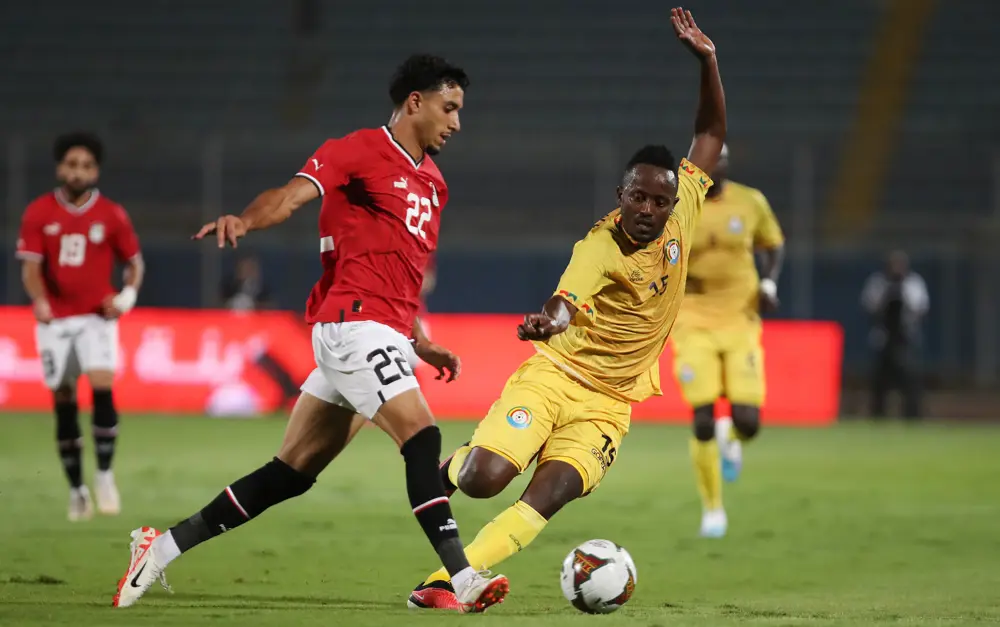
As AFCON 2025 begins, the question surrounding Egypt is not whether their past was great — that is beyond dispute — but whether they can once again turn pedigree into triumph.
The pursuit of an eighth continental title has stretched across more than a decade, interrupted by absences, rebuilds and near-misses. But in a tournament that often rewards structure, mentality and tournament intelligence, Egypt remain uniquely equipped.
When Africa’s greatest football show returns to centre stage, Egypt do so as they always have — carrying history, commanding respect, and believing that the next chapter can still be written.