




The Languages of Morocco: What fans should know ahead of the TotalEnergies CAF AFCON Morocco 2025
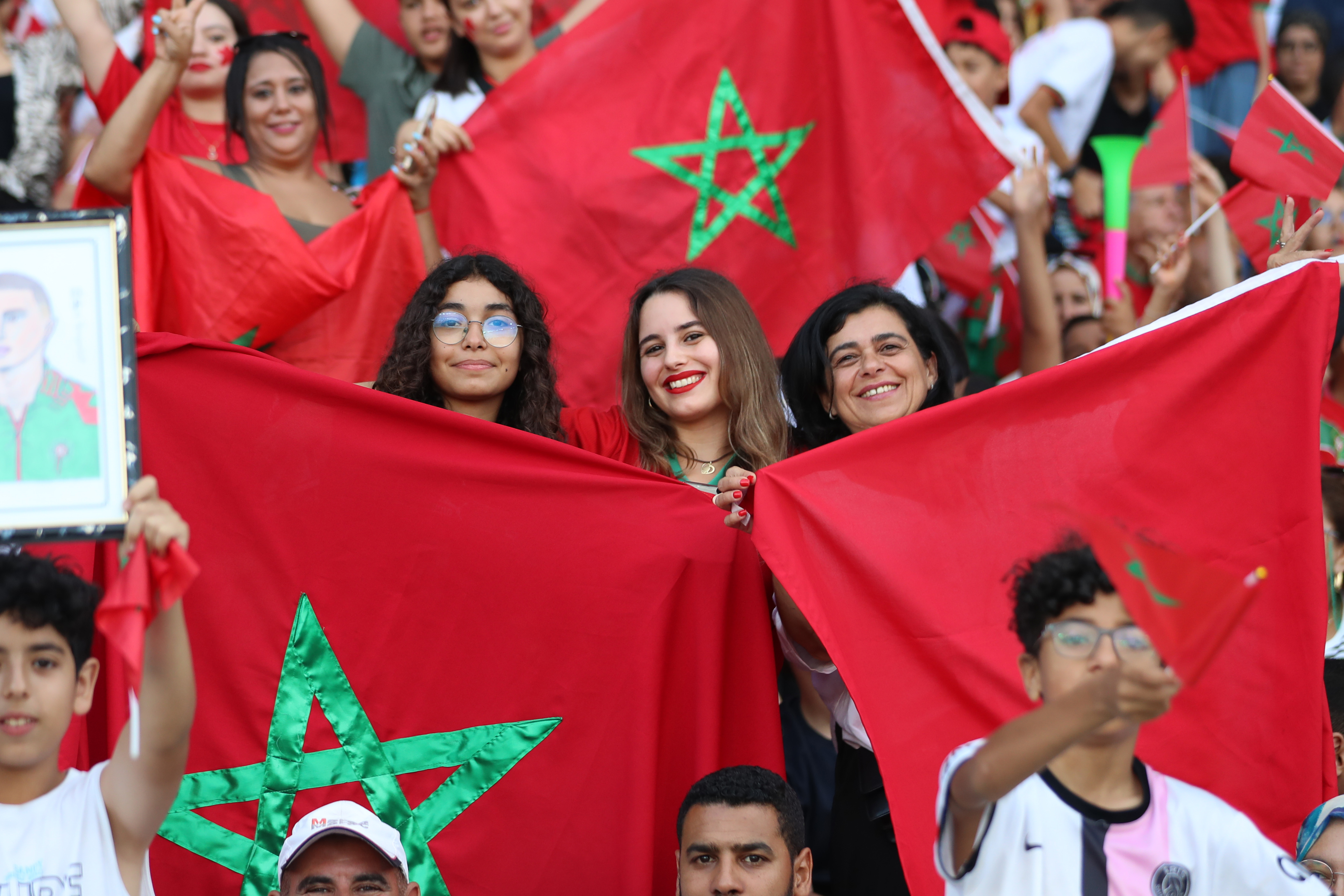
As Morocco prepares to host a multitude of fans from across Africa and the rest of the world, fans can look forward to encountering a Moroccan nation defined by its warmth, hospitality and linguistic diversity.
Understanding the key languages spoken in Morocco will be key for the thousands of expected visitors to connect with the locals and enjoy an even richer experience throughout their stay.
The TotalEnergies CAF Africa Cup of Nations Morocco 2025 will be staged between 21 December 2025 – 18 January 2026. CAFOnline shares an overview of the different languages spoken in Morocco.
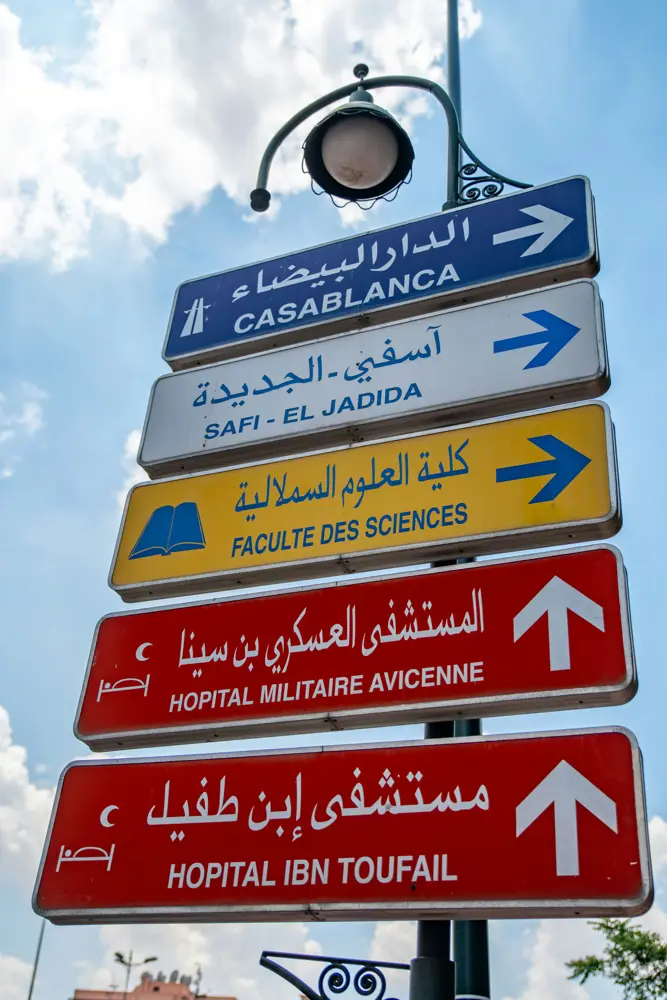
Darija: Morocco’s Everyday Language
The most widely spoken language in the country is Darija, Morocco’s unique form of Arabic used in daily conversation.
Blended with Amazigh, French, Spanish, and English influences, Darija is lively, fast-paced, and heard in markets, taxis, cafés, stadiums, and fan zones. Supporters looking to engage with locals can try the friendly phrase:
Darija Standard Greeting: "Salam, kidayr?” — “Hello, how are you?”
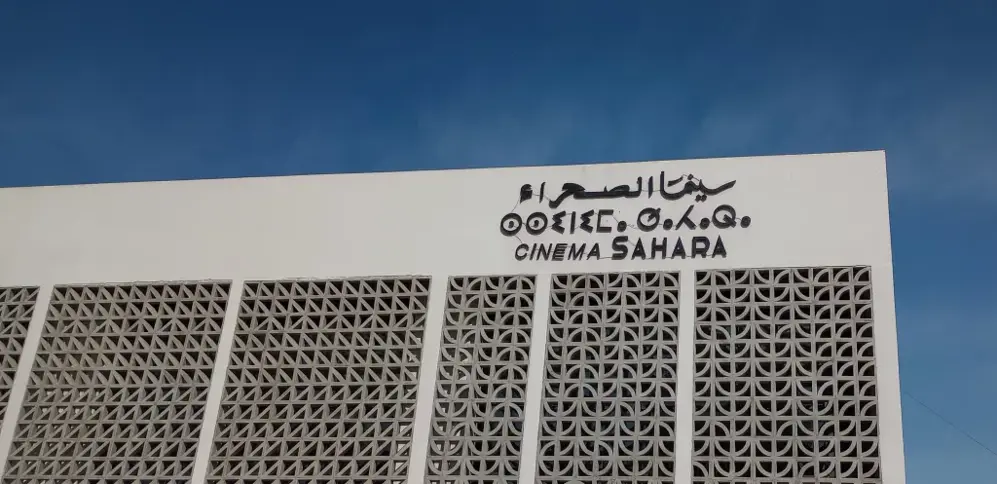
Amazigh: One of Morocco’s Official Languages
Amazigh languages—including Tarifit in the north, Tamazight in central regions, and Tachelhit in the south—form an important part of Morocco’s linguistic landscape.
Recognized as an official language, Amazigh appears on signage, in public institutions, and is written in the distinctive Tifinagh script.
Fans travelling beyond major cities, especially to mountain and desert areas, will hear Amazigh widely spoken in everyday life.
Amazigh standard greeting:“Azul, amek tgit?” — “Hello, how are you?”
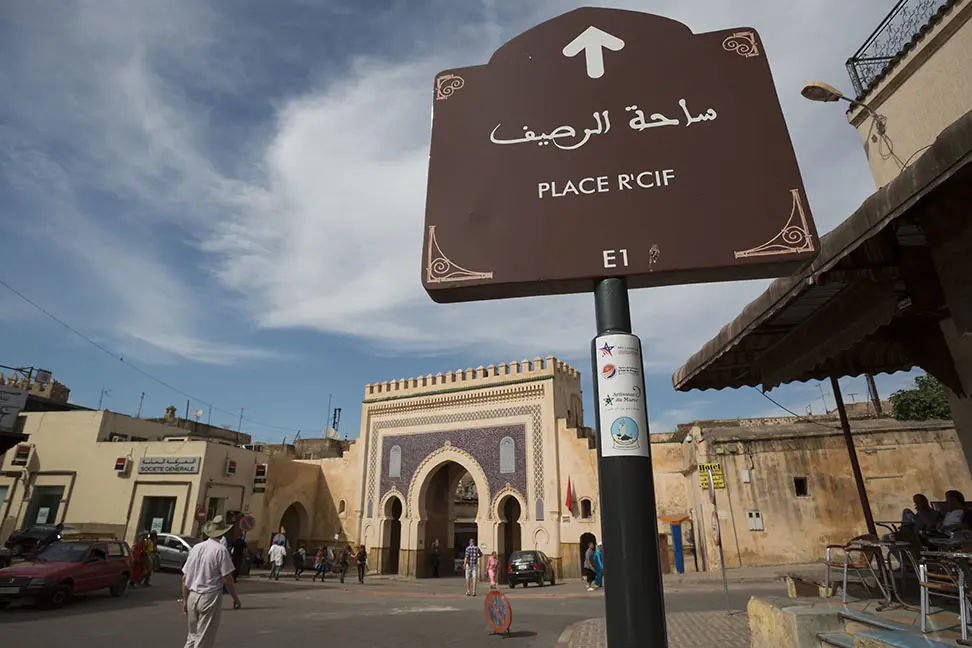
Arabic: The Formal Language
Although not commonly used in casual conversation, Modern Standard Arabic, or Fus’ha, remains Morocco’s formal language of education and official communication. Supporters watching national broadcasts, reading articles on CAFONline or attending watching TotalEnergies CAF AFCON pre and post match press conferences may encounter it.
Arabic standard greeting: “Marhaban, kayfa haluk?” — “Hello, how are you?”
French: Widely spoken in business and urban Life
Reflecting Morocco’s historical and international links, French plays a major role in administration, commerce, and urban communication.
Many public services, menus, and transportation systems offer bilingual Arabic–French information, making it especially accessible for visitors coming from the West African region as well as Europe.
French standard greeting: “Bonjour, comment allez-vous ?” — “Hello, how are you?”
Spanish and English
In the northern regions of Tangier, Tetouan, and Nador, Spanish remains widely spoken due to long-standing cultural connections.
English continues to grow among young Moroccans, tourism workers and volunteers.
Spanish standard greeting:“Hola, cómo estás?” — “Hello, how are you?”
With its rich mix of languages and warm hospitality, Morocco offers an inviting environment for all supporters.
For fans wanting to connect with the global online audience while in Morocco, they can simply engage in the online conversation using #TotalEnergiesAFCON2025 across all CAF digital platforms.