








African Club Association President Hersi Said: CAF Interclub football competitions stronger than ever
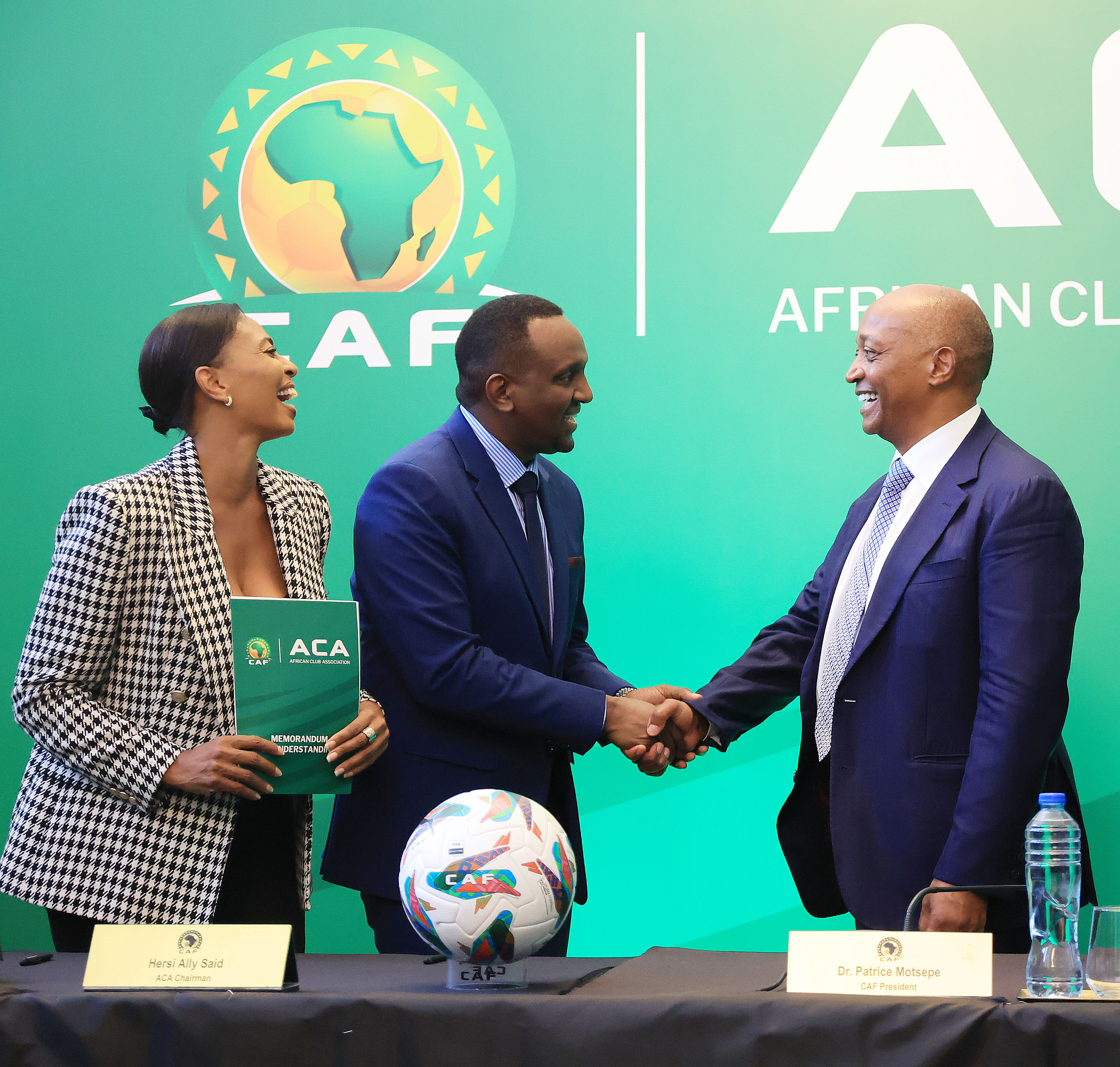
African Club Association (ACA) President Hersi Said has hailed the record prize money and solidarity fund introduced by the Confédération Africaine de Football (CAF) to assist clubs competing in the TotalEnergies CAF Champions League and TotalEnergies CAF Confederation Cup.
He says the increased participation of teams and the investment in the club football ecosystem on the continent is already paying dividends and will only continue to grow the competitiveness of teams, and by extension African football, in the years to come.
Said hailed the leadership of CAF President Dr Patrice Motsepe this this regard in an exclusive interview with CAFOnline.
CAFOnline: CAF has introduced a USD 100,000 solidarity payment for teams who exit the preliminary rounds of the CAF interclub competitions this season. How has this ‘changed the game’ for clubs?
Hersi Said: Speaking as President of the African Club Association, I think this is a major step forward. The solidarity fund from CAF is something that ACA strongly supported, and we must thank CAF President Dr Patrice Motsepe for recognising the financial challenges clubs face, especially in African competitions.
We all know how difficult and expensive travel can be across Africa. Once you participate in the TotalEnergies CAF Champions League or TotalEnergies CAF Confederation Cup, you quickly realise the huge costs involved with flights, accommodation and logistics.
For many clubs, participating in these tournaments without strong sponsorship support is extremely difficult. So this initiative is very important.
In the first year, clubs received USD 50,000, and this season the amount increased to USD 100,000 during the preliminary rounds of the TotalEnergies CAF Champions League and TotalEnergies CAF Confederation Cup. The African Club Association also worked closely with CAF to help coordinate the process and ensure clubs received payments on time.
Of course, the costs remain very high. But we are very encouraged by the positive discussions we have had with Dr Motsepe, who has assured us that the support will continue to grow in the future. We are very happy with the progress because this support did not exist before.
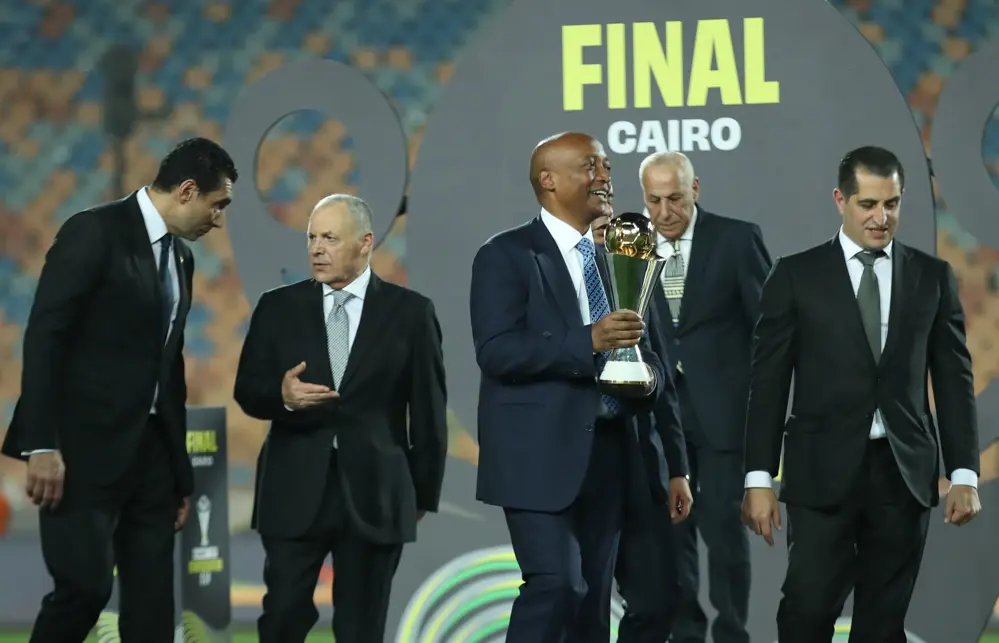
There has also been increases in prize money, including a record USD 6 million for the TotalEnergies CAF Champions League winners and USD 4 million for the victorious team in the TotalEnergies CAF Confederation Cup. How important is this?
It is a huge improvement and a major step forward, and it is equally important that the increases also benefit the semi-finalists, quarter-finalists and clubs in the group stages.
This motivates clubs to invest more in the competitions and to compete at the highest level. It also helps clubs improve their structures and ambitions.
Again, congratulations to President Motsepe and the CAF Executive Committee because these are very important developments for African football.
You have personally been involved in CAF Interclub football for many years through Tanzanian side Young Africans. Do you see the club game on the continent developing?
Absolutely. African football is growing very quickly. The level of competition in both the TotalEnergies CAF Champions League and TotalEnergies CAF Confederation Cup has improved significantly in the last few years. There is much stronger competition among the participating clubs now.
We have also seen major growth in African football generally, whether through TotalEnergies CAF Africa Cup of Nations in Morocco or the TotalEnergies CAF African Nations Championship in East Africa last year.
Africa has always had enormous talent, but now we are also seeing improvements in organisation, preparation and competition structures under the current CAF leadership.
I would also like to recognise the work being done by clubs themselves, as well as the CAF competitions department under Samson Adamu, who is now leading the General Secretary’s office.
 CL
CL
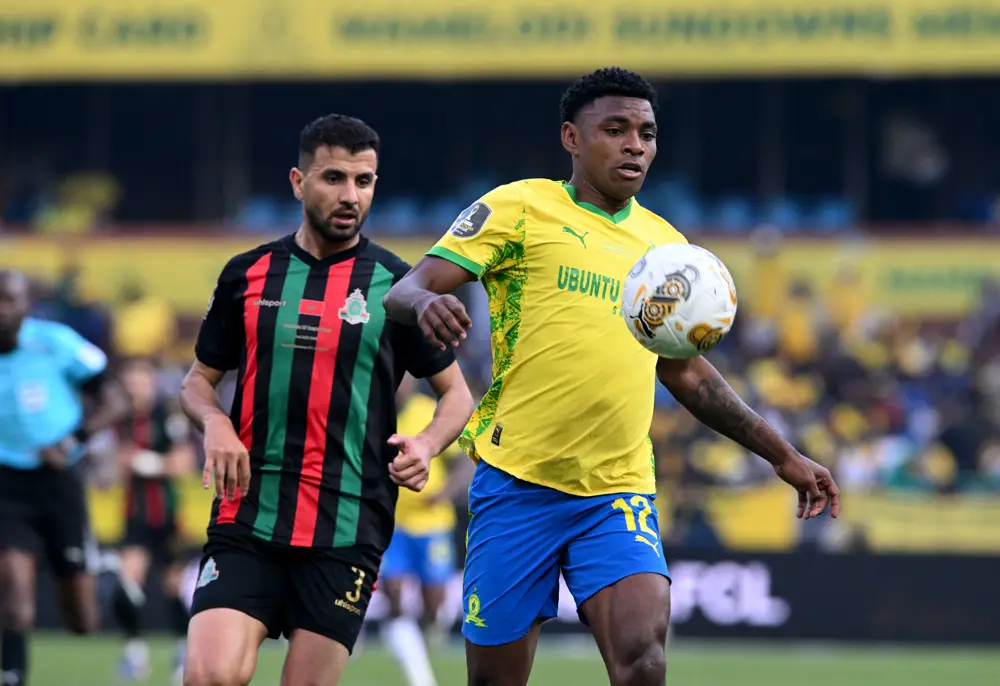
The last two TotalEnergies CAF Champions League competitions have featured first-time finalists Pyramids FC and AS FAR, who play their first final for over four decades. Is this a sign of the greater competitiveness you spoke about?
Definitely. When you see a club like AS FAR reaching the TotalEnergies CAF Champions League final for the first time in 41 years, it shows how competitive African football has become.
They were in the same group as Young Africans and we saw their quality first-hand. Young Africans beat them 1-0 in Zanzibar, but now AS FAR are in the final. That tells you how high the level of competition is.
The preparations clubs are making today are much more professional, and the quality of players across Africa continues to improve.
If clubs are given the right support and opportunities, any team can now compete at the highest level in Africa. Compared to the past, the CAF Interclub competitions are definitely stronger, and clubs that were previously considered smaller are now capable of reaching the latter stages and even the finals.
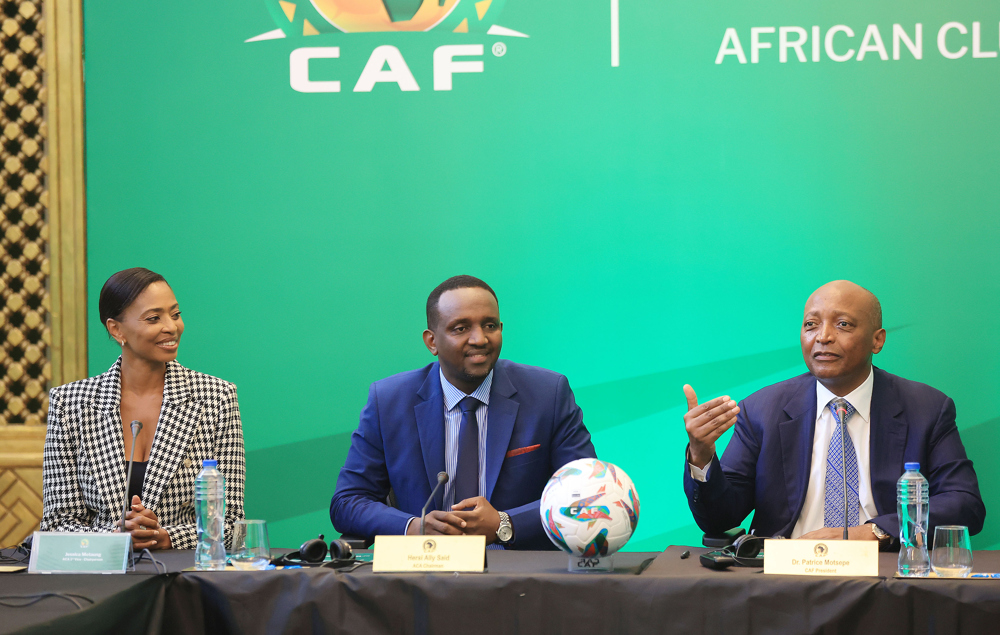
What has the response been like from clubs to the formation of the African Club Association?
The response has been very positive. ACA is still a relatively new organisation, so many clubs are still learning about it and understanding its role. But we have already established our offices in Rabat, Morocco, and operations are fully underway.
We have also been engaging clubs across the continent to explain the vision of ACA. Many clubs are already familiar with the European Club Association and have seen the positive impact it has had in Europe. We believe ACA can have a similarly transformative effect in Africa.
We already have major clubs involved, including Mamelodi Sundowns, Young Africans, Kaizer Chiefs, Raja Casablanca, Zanaco and Maniema Union, among many others from across the continent.
Our focus now is on education, engagement and ensuring clubs understand that ACA is their collective voice. We want clubs to come together on one platform to raise concerns, find solutions and help African football grow stronger.
I truly believe the African Club Association can become a major force in helping African clubs grow faster, compete at a higher level and build sustainable success.