







Battle of the Portuguese coaches – Miguel Cardoso vs Alexandre Santos
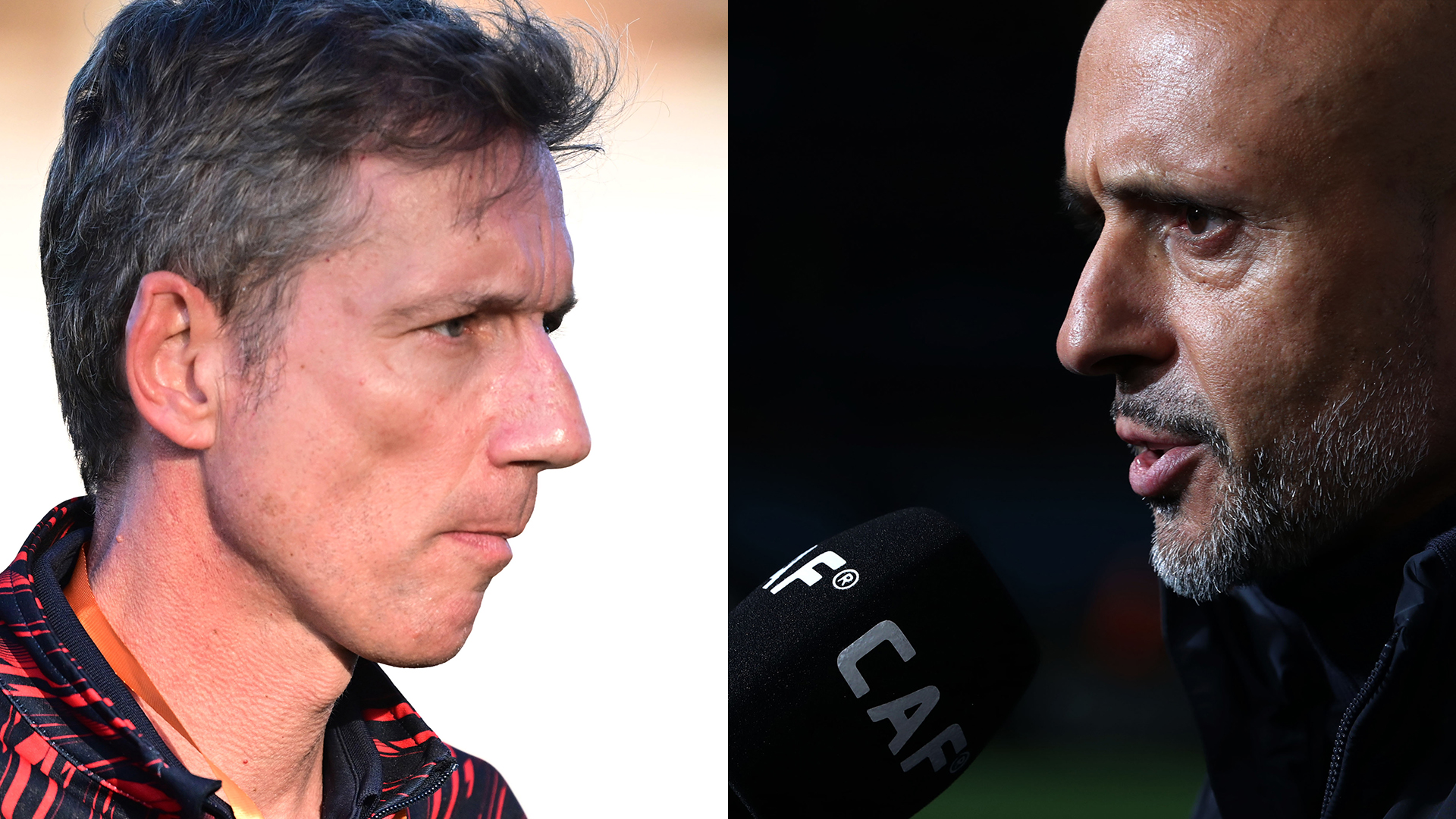
When Mamelodi Sundowns and FAR Rabat meet in the first leg of the 2025/26 TotalEnergies CAF Champions League final in Pretoria next week, the spotlight will not only be on the players—but also on the dugout.
In a rare twist at African club football’s biggest stage, two Portuguese coaches—Miguel Cardoso and Alexandre Santos—will go head-to-head, underlining the growing influence of Portuguese coaching philosophy across the continent.
For Sundowns boss Miguel Cardoso, this is familiar territory. The 52-year-old tactician is set to appear in a third consecutive CAF Champions League final, having previously fallen short with Espérance and Sundowns.
His journey to this stage has been built on consistency and a clear footballing identity. Since taking charge of the Pretoria giants in December 2024, Cardoso has transformed an already dominant side into a high-intensity, possession-driven machine, rooted in a structured 4-3-3 system.
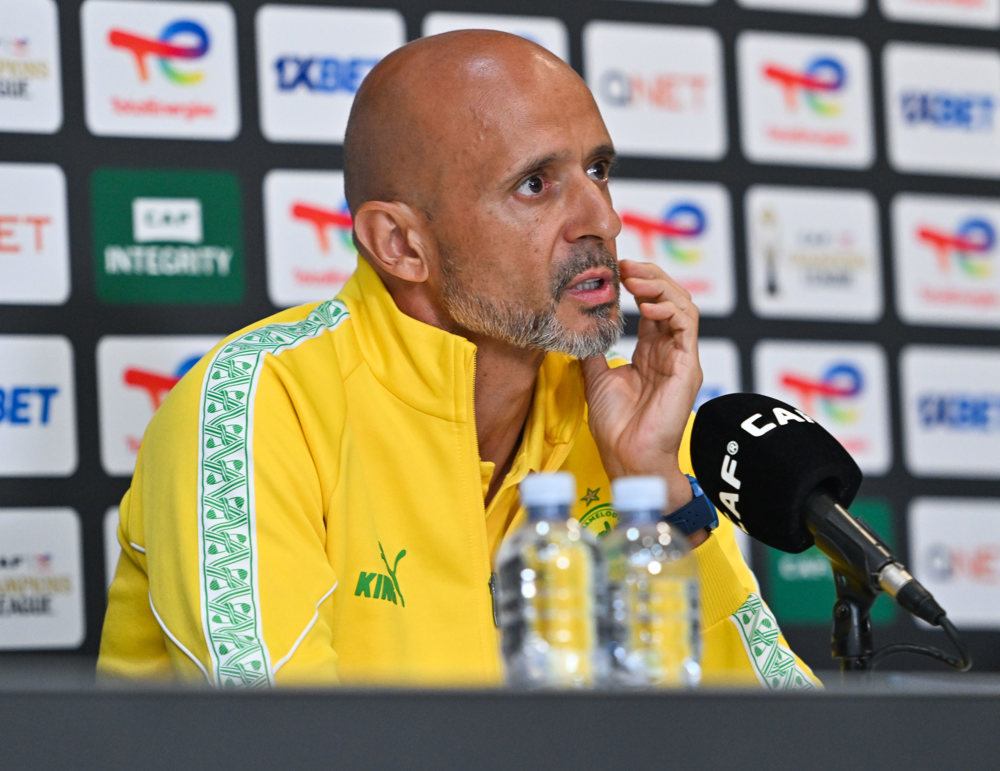
Under his guidance, Sundowns have maintained their reputation for attractive, attacking football—often referred to as the club’s “shoe-shine and piano” style—while adding tactical discipline and control.
Their route to the final reflected this balance, as they eliminated Espérance Sportive de Tunis with a composed 2-0 aggregate victory, demonstrating defensive solidity alongside clinical finishing, particularly through Colombian forward Brayan León.
Across the technical area stands Alexandre Santos, a coach whose rise has been more understated but equally impressive.
Appointed by FAR Rabat in February 2025, the 49-year-old quickly instilled organisation and belief into a side that has now reached its first Champions League final since 1985.

Santos, who previously enjoyed success with Petro de Luanda in Angola, is known for his pragmatic flexibility—often switching between 4-4-2 and 4-2-3-1 formations depending on the opponent.
FAR’s journey to the final has been defined by resilience rather than flair. They edged past RS Berkane in an all-Moroccan semi-final, winning 2-0 at home before grinding out qualification in a tense away leg to progress 2-1 on aggregate.
Santos’ influence has been evident in the team’s defensive discipline, game management and ability to withstand pressure—qualities that could prove crucial against a technically superior Sundowns side.
Portuguese influence in Africa
The meeting of Cardoso and Santos is not coincidental. Portuguese coaches have made a significant impact on African football, bringing tactical discipline, professionalism and modern training methods to the continent.
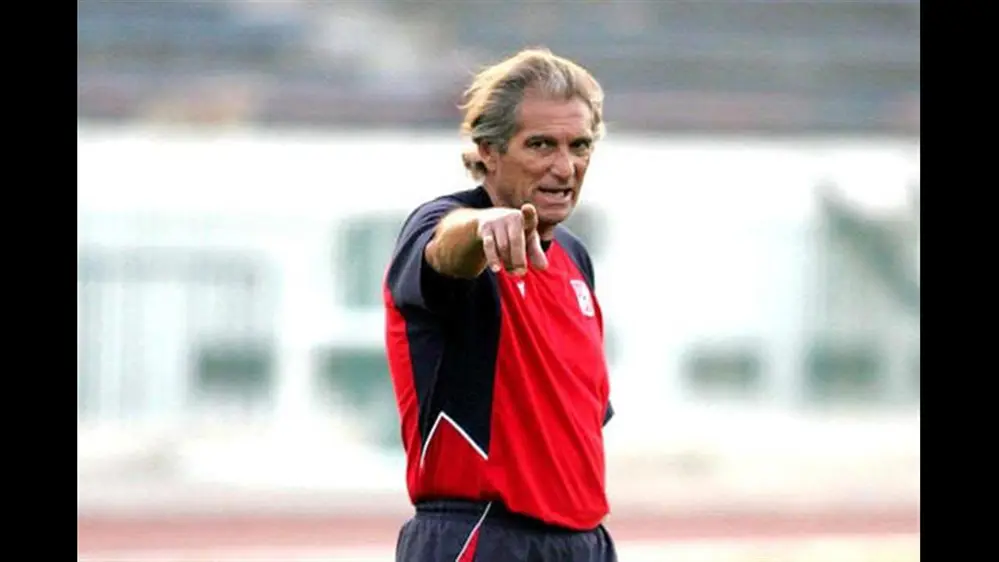
One of the most successful is Manuel José, who won four CAF Champions League titles with Al Ahly and also managed Angola at the 2010 Africa Cup of Nations. Carlos Queiroz has also left his mark, leading Egypt to the 2021 AFCON final and later taking charge of Ghana, while previously coaching South Africa.
More recently, Miguel Cardoso has continued this influence, guiding Esperance to a Champions League final before moving to Mamelodi Sundowns, where he has implemented a high-intensity, possession-based style. Earlier figures like Fernando Cabrita helped shape Moroccan football by winning the league with Raja Casablanca.
José Morais, a former assistant to José Mourinho, has also built a strong reputation in Africa by winning titles in Tunisia and introducing structured systems.
At national level, Paulo is respected for his long-term work with Burkina Faso and Gabon, focusing on organisation and development. Collectively, these coaches have elevated African football through improved tactics, structure and professionalism.
Many are shaped by a system that emphasises structure, game intelligence and flexibility—traits that translate well in diverse football environments across Africa.
From José Mourinho’s broader influence on global coaching to a new generation of tacticians emerging from Portugal’s football schools, the country has become a key exporter of managerial talent.
In Africa, this has led to a growing number of clubs turning to Portuguese coaches to elevate their competitive edge, particularly in continental competitions.
A clash of styles
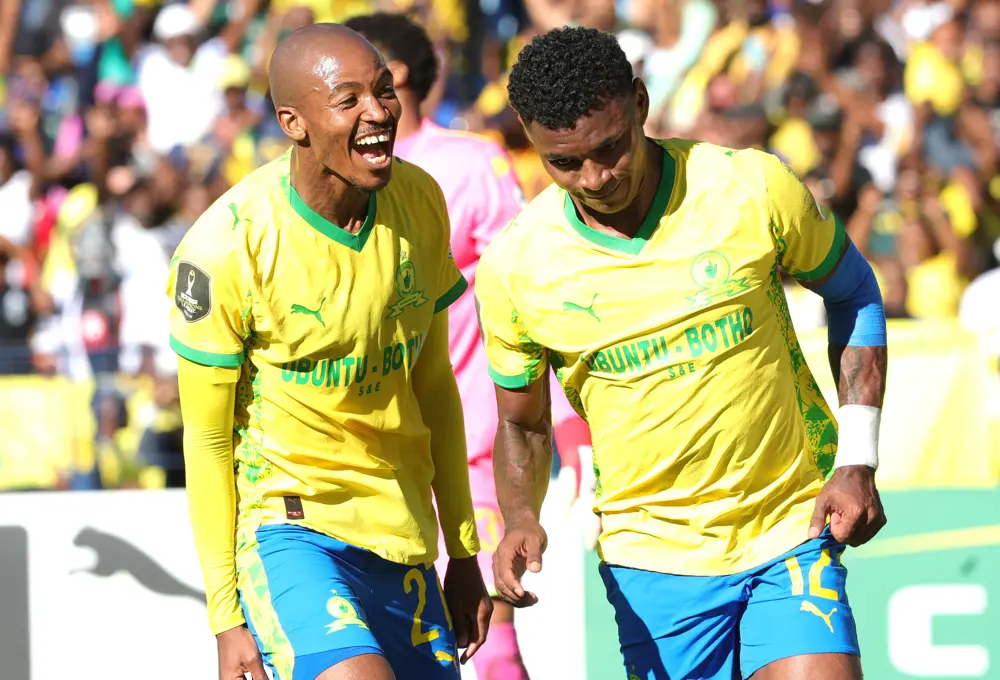
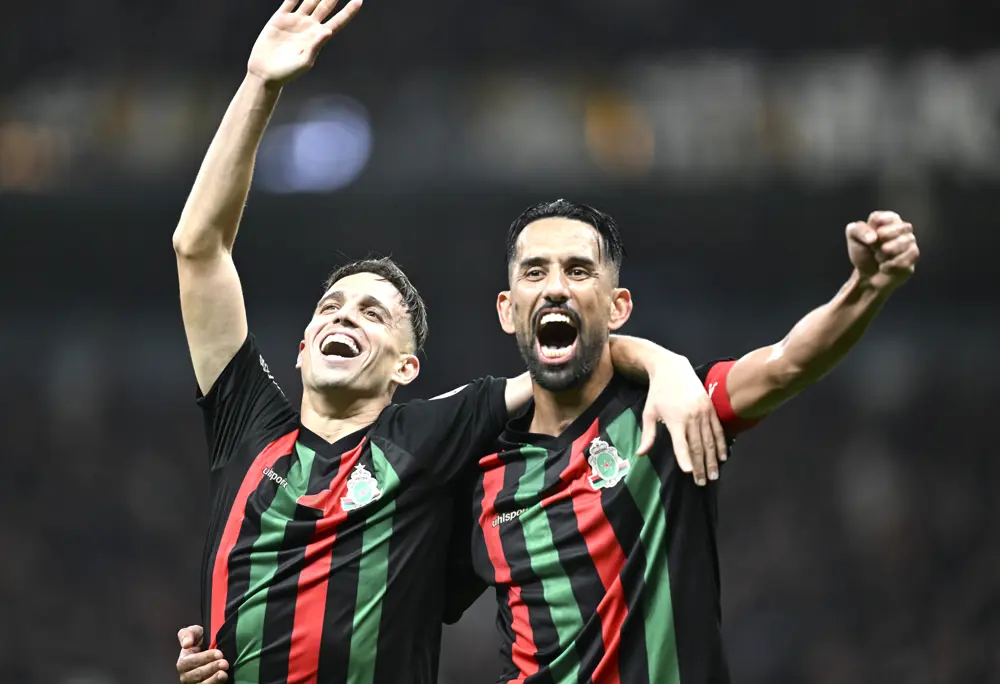
What makes this final especially intriguing is the contrast in styles. Cardoso’s Sundowns are expected to dominate possession, control tempo and stretch the game through wide areas. Santos’ FAR Rabat, meanwhile, are likely to remain compact, absorb pressure and look to exploit moments on the counter or from set-pieces.
The first leg in Pretoria could be decisive. Sundowns will aim to build a strong advantage at home, while FAR will be content with a disciplined performance that keeps the tie alive ahead of the return leg in Rabat.
Who holds the edge?
On paper, Cardoso’s experience at this level gives him a slight advantage, particularly given his recent record in continental finals. However, Santos has already shown his ability to navigate high-pressure knockout ties with limited margins.
Ultimately, this “battle of the Portuguese coaches” may come down to execution rather than ideology. Both share similar footballing roots, but their interpretations differ—one expansive and dominant, the other controlled and pragmatic.
As they prepare to meet on Africa’s biggest stage, one thing is certain: Portuguese coaching influence will shape the outcome of this final, and only one will emerge with a legacy-defining triumph.