











Miguel Cardoso: “Winning a trophy like this can define a career”
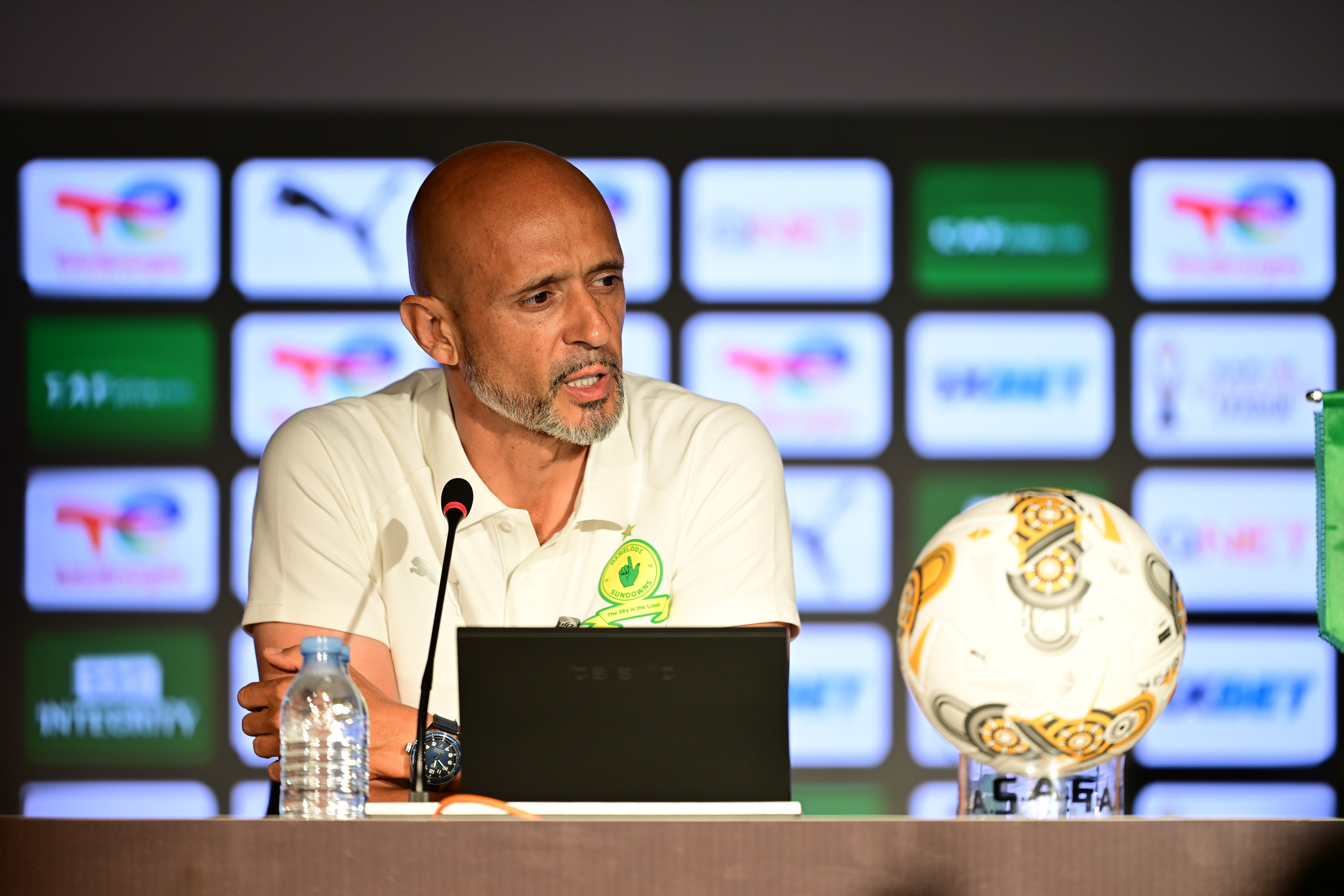
Mamelodi Sundowns coach Miguel Cardoso is hoping for third time lucky when he leads the club in the second leg of the TotalEnergies Champions League 2025/26 final against hosts AS FAR in Rabat on Sunday (kick-off 20h00 local time / 19h00 GMT).
The Portuguese tactician is in his third final in a row in the competition, but has yet to lift the trophy and heads into the second leg with a 1-0 advantage from the first game in Pretoria last weekend.
He knows the job is only half done, and says his side is determined to end their 10-year wait for Africa’s top club competition.
You are about to lead Mamelodi Sundowns into the second leg of the final match of this season’s TotalEnergies CAF Champions League. What emotions do you feel reflecting on the journey?
Cardoso: When you think about the scale of this competition, with 154 matches played across Africa, and realise that we are here for the final and decisive one, there is obviously a huge sense of pride. It comes with emotion, a sense of work done, and great respect for everybody who has been part of this journey – the clubs, players, referees, CAF officials and supporters who lived this competition throughout the season.
For us, there is now only one thing left: to fight until the end. It has been a beautiful but difficult journey, with moments of joy, tears, hard work and sacrifice.
My players and the club have been so committed, and after the first leg we know we are in a beautiful moment where we have the chance to compete for the trophy and try to give the club what it has been chasing for the last 10 years.
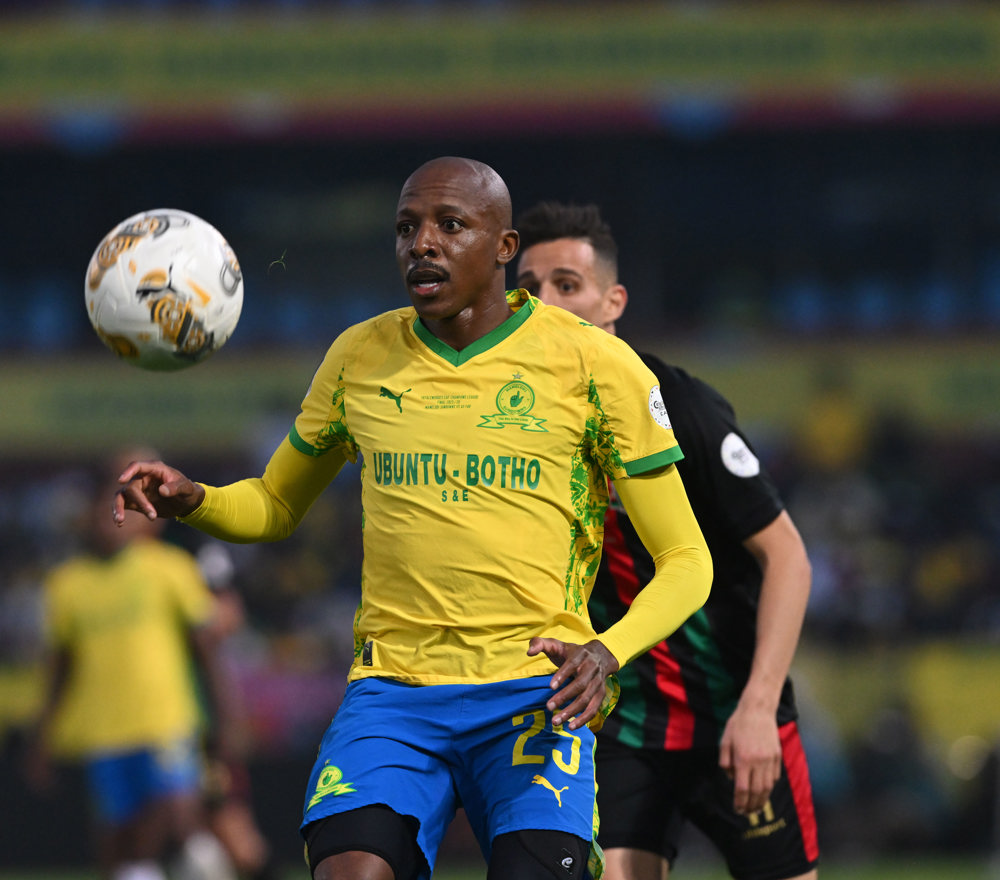
This is another Champions League final for both Sundowns and yourself. How much does past experience matter?
Reaching a final for the fourth time as a club and the third time (in a row) for myself says a lot about the dimension of the club and the commitment behind these campaigns. At the same time, experience reminds you that football can be unpredictable. Sometimes the game rewards you when you do not deserve it, and sometimes it punishes you when you do.
I was reflecting on other finals I have been involved in and how much you learn from both victories and defeats. I remember coaching Shakhtar Donetsk in a UEFA Youth League final in 2015, during the outbreak of war in Crimea, Ukraine, with players who had experienced extraordinary hardship but still found the strength to compete at the highest level.
They lost that final (3-2 to Chelsea), but it was still an incredible statement from a group determined to achieve something in difficult circumstances.
Not every defeat is a loss in life, and not every victory defines everything. But winning a trophy like this can define a career and a club, and we want it deeply. That ambition has driven us since last season when we fell short, and now we have another chance.
Tactically, what will be important in a match of this magnitude?
Like any game, there will be different moments that we must manage properly. There will be times when we do not have the ball and need to defend aggressively to win it back. Sometimes defending is the most aggressive part of your game if you are fully committed.
Then there are moments when we will have possession, and that is important because it connects with the identity of this team and club. We need to be strong in every phase of the game, including defensive and attacking set-pieces, because matches like this are often decided by small details.
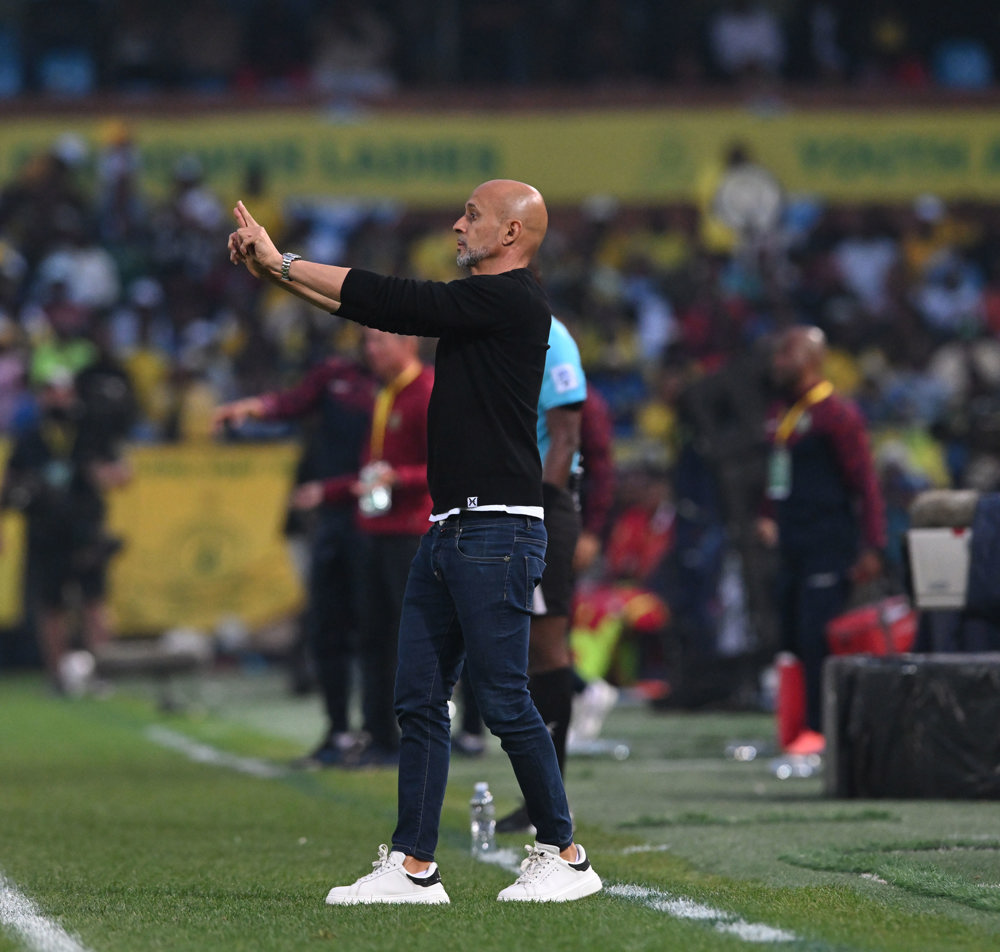
The match will be played in front of a passionate crowd in Rabat. How do you see the atmosphere affecting the occasion?
We work our whole careers to play matches like this. What is difficult is playing games with no atmosphere, no supporters and no emotion around them. We live for moments like tomorrow.
At the same time, it is important that football is represented in the right spirit. Africa will again show itself to the world, and we must represent the game and the continent in the best possible way. I saw a good spirit between the players in the first match and hope that remains throughout the game.
We should not give people any reason to speak about anything other than praise for the organisation, the sporting spirit and the quality of the football. We will have families in the stadium and everybody should leave having experienced a beautiful football occasion, like we have seen during major tournaments hosted in Morocco.
With major competitions coming in future, this is also an opportunity to show the standards African football can deliver.
Has fixture congestion and the number of matches affected the squad physically ahead of the final?
Playing so many matches in a short period may have had some effect on intensity in the first leg, but our biggest focus since then has been recovery. We tried to help the players recover properly, breathe a little, and then trained with intensity without overloading them.
I do not think fitness will be a problem because readiness at this stage is not only physical. It is also mental. Players need to connect with the right emotions and mindset for a match like this. The experience in the squad and shared understanding of what this moment means should help us manage the game the way we want.
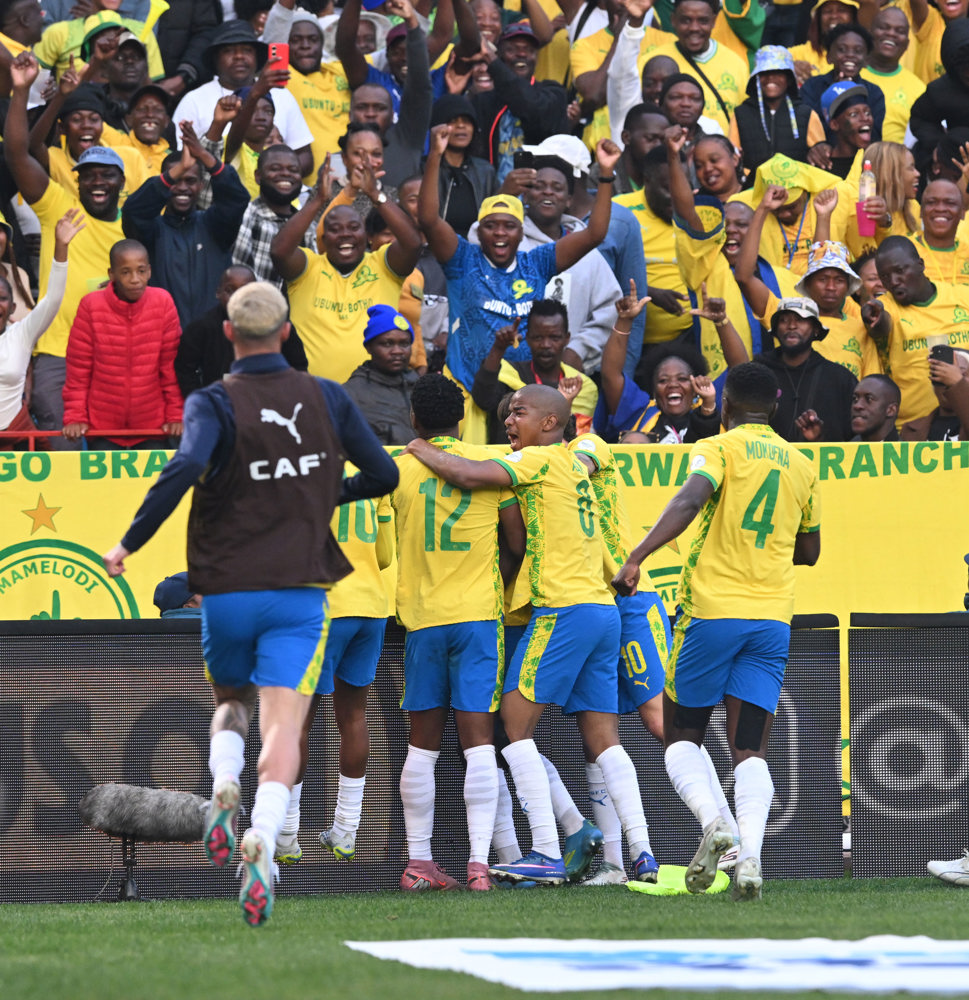
With a first-leg advantage, is there any risk of overconfidence?
No, not at all. We know exactly the level of the opponent and the competition we are in. We know the quality of the teams we faced in the semi-finals and quarter-finals, so there is no room for that.
Overconfidence is not only disrespecting your opponent – it is disrespecting yourself because it means you are not pushing to the limit of what you can give.
We know we have to take ourselves to a place where maybe we have never been before, physically, tactically and strategically. If we do that, we will be much closer to achieving something special.
I expect a team that is fully committed and ready to manage every moment of the match in the best way possible.