






North vs South – how North Africa has dominated this competition
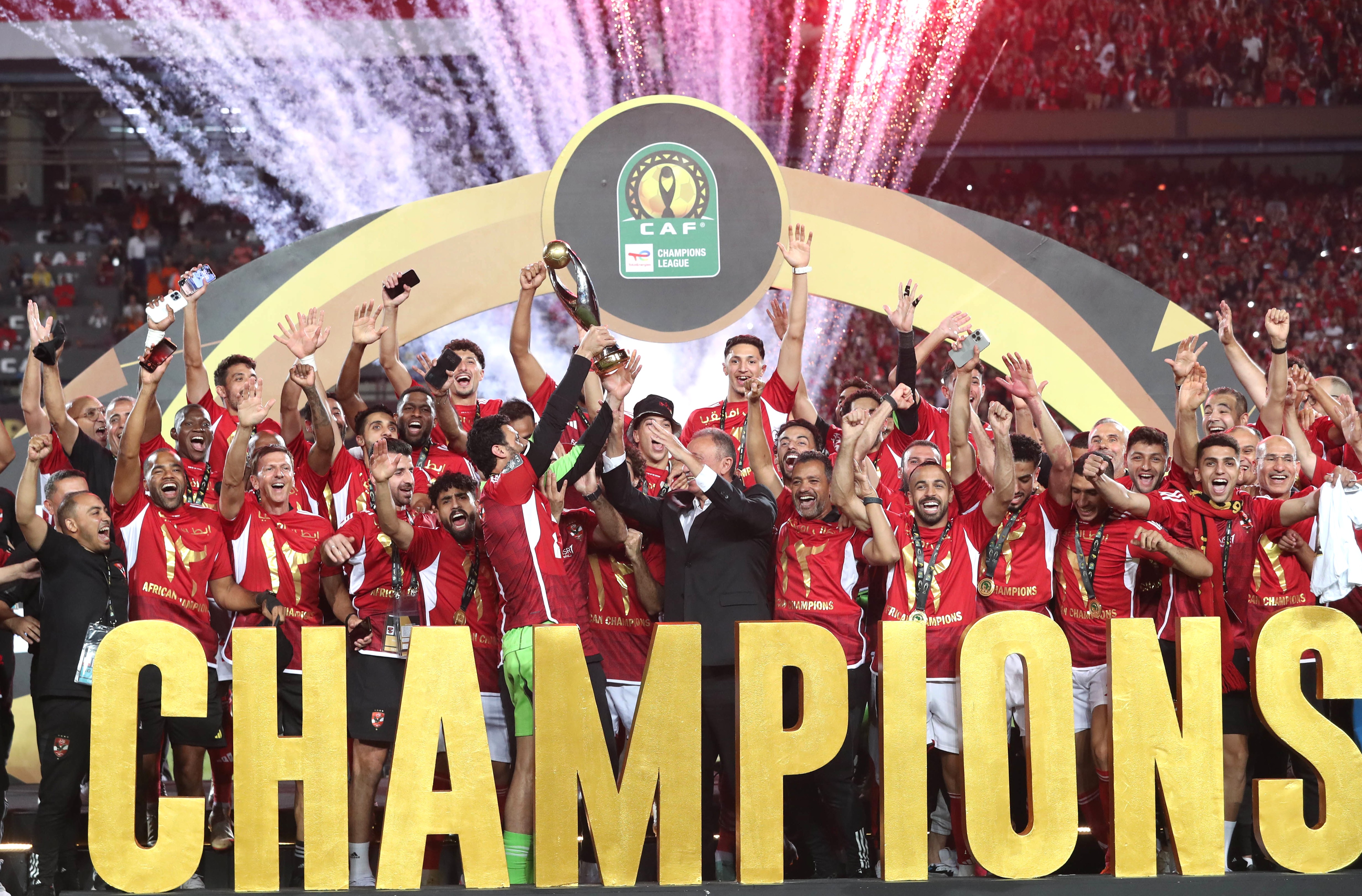
When Mamelodi Sundowns welcome FAR Rabat to Pretoria this weekend for the first leg of the 2025/26 TotalEnergies CAF Champions League final, they will do so with history pressing heavily on both sides.
On the surface, this is a meeting of two ambitious clubs separated by geography and footballing cultures. But scratch deeper and the fixture reflects a far bigger continental trend — one that has reshaped African club football over more than six decades.
This is not just South vs North in a final. It is a story of how power has gradually shifted northwards, how early dominance from sub‑Saharan Africa gave way to a sustained era of North African control, and how the continent’s premier club competition evolved alongside Africa itself.
From southern roots to continental ambitions
Africa’s leading club competition was first played in 1964, under the original name African Cup of Champions Clubs. Its early years belonged overwhelmingly to sub‑Saharan Africa.
The inaugural champions, Oryx Douala of Cameroon, set the tone in an era when clubs from Central and West Africa were the trailblazers of continental football. Between 1964 and 1975, winners came from Cameroon, Côte d’Ivoire, Mali, Ghana, Guinea, DR Congo and Congo-Brazzaville — a remarkable spread reflecting the game’s grassroots strength south of the Sahara.
In its first 12 editions, just two titles were won by North African teams — Ismaily of Egypt in 1969 and MC Alger in 1976 — while clubs like Hafia (Guinea) and TP Mazembe built early dynasties through raw talent, local dominance and regional pride.
But the balance would not last.
A regional shift begins
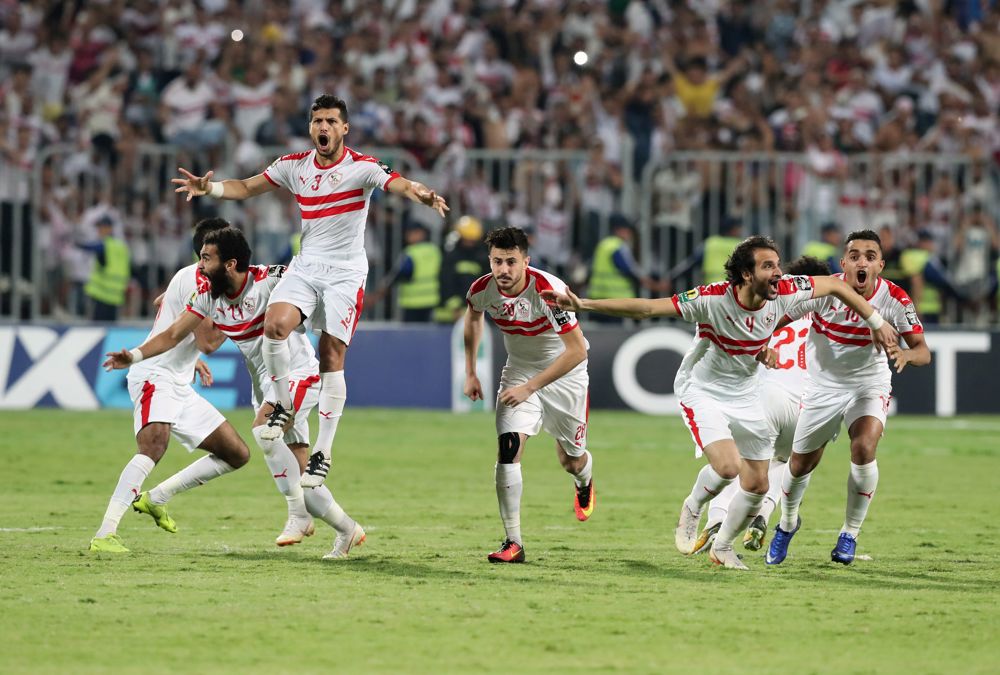
By the late 1970s and early 1980s, North African clubs began to assert themselves. Algeria’s JS Kabylie, Egypt’s Al Ahly and Zamalek, and Tunisia’s Club Africain ushered in a new era — one shaped by stronger domestic leagues, better infrastructure, and greater tactical organisation.
Between 1981 and 1994, North African sides won nine of 14 titles, a clear indicator that continental power was beginning to migrate north.
The tipping point came in 1997, when CAF rebranded the tournament as the CAF Champions League and introduced a group‑stage format, increasing revenue, visibility and professionalism.
The change transformed the competition — and no region capitalised more than North Africa.
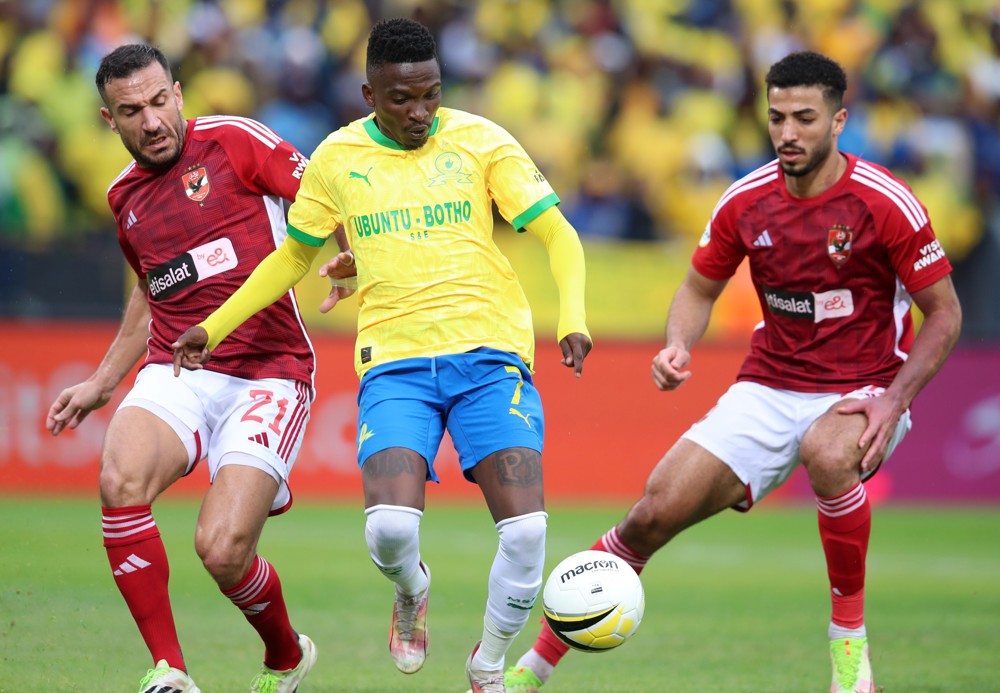
The modern era: domination, not participation
Since 1997, North African dominance has been overwhelming.
Clubs from Egypt, Morocco, Algeria and Tunisia have won 20 of the last 29 titles, with Egyptian sides in particular redefining standards of excellence.
At the centre of that success stands Al Ahly. With 12 Champions League titles, including victories in five of the last six completed seasons, the Cairo giants are the most successful club in African football history — by some distance. Their consistency in knockout matches, squad depth and continental experience has become the model others attempt to emulate.
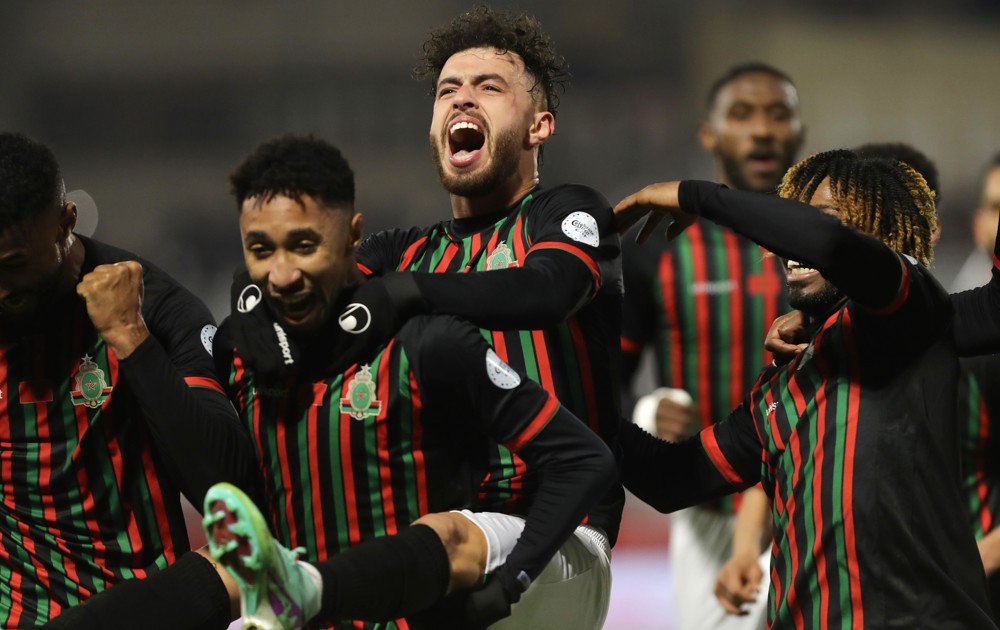
Morocco’s rise has been equally significant. Raja Casablanca, Wydad Casablanca and FAR Rabat have collectively shaped the country’s European‑style approach to continental football. Wydad’s recent triumphs in 2017 and 2022 underlined Morocco’s depth, while FAR’s return to the final — 41 years after their 1985 triumph — signals continuity as well as revival.
Tunisia and Algeria have remained constant forces, with Esperance, ES Sétif and JS Kabylie continuing to add to the region’s medal haul.
Sub‑Saharan resistance — flashes, not eras
Sub‑Saharan Africa has never disappeared from the Champions League conversation — but its successes have been more sporadic in the modern era.
Enyimba of Nigeria’s back‑to‑back titles in 2003 and 2004 remain one of the competition’s great achievements. TP Mazembe’s renaissance between 2009 and 2015, and Mamelodi Sundowns’ 2016 triumph, showed that clubs south of the Sahara could still reach the summit.
But sustaining dominance has proved difficult.
Where North African clubs built systems, infrastructure and continental continuity, many sub‑Saharan clubs battled financial instability, player turnover and governance challenges.
What this final represents
The 2025/26 final, therefore, carries symbolic weight.
For FAR Rabat, it is an opportunity to complete the North African narrative — reinforcing a regional tradition built over decades.
For Mamelodi Sundowns, it is a chance to challenge it.
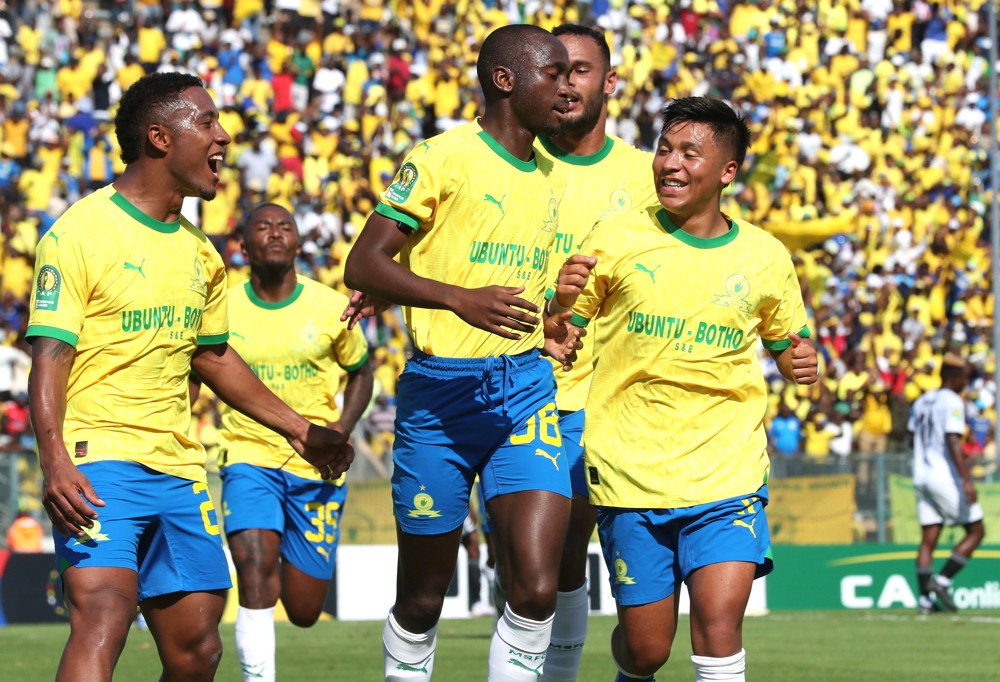
Sundowns’ back‑to‑back finals in 2025 and 2026 reflect South Africa’s growing ambition and professionalism. Victory would not just mark a second Champions League crown — it would represent a pushback against decades of northern supremacy.
The numbers tell the story
Since 1964:
- North African clubs have won ≈30 titles
- Sub‑Saharan African clubs have won ≈31 titles
But context matters.
In the last 25 years, North Africa has won over two‑thirds of available titles, turning early parity into sustained dominance.
The Champions League began as a pan‑African battleground. It has become, largely, a northern stronghold.
This weekend, in Pretoria, history will again be tested — not rewritten entirely, but perhaps nudged in a different direction.
CAF Champions League winners (1964–2025)
1964 – Oryx Douala (Cameroon)
1965 – Stade d’Abidjan (Côte d’Ivoire)
1966 – AS Real Bamako (Mali)
1967 – TP Mazembe (DR Congo)
1968 – TP Mazembe (DR Congo)
1969 – Ismaily (Egypt)
1970 – Asante Kotoko (Ghana)
1971 – Canon Yaoundé (Cameroon)
1972 – Hafia (Guinea)
1973 – Vita Club (DR Congo)
1974 – CARA Brazzaville (Congo)
1975 – Hafia (Guinea)
1976 – MC Alger (Algeria)
1977 – Hafia (Guinea)
1978 – Canon Yaoundé (Cameroon)
1979 – Union Douala (Cameroon)
1980 – Canon Yaoundé (Cameroon)
1981 – JS Kabylie (Algeria)
1982 – Al Ahly (Egypt)
1983 – Asante Kotoko (Ghana)
1984 – Zamalek (Egypt)
1985 – FAR Rabat (Morocco)
1986 – Zamalek (Egypt)
1987 – Al Ahly (Egypt)
1988 – ES Sétif (Algeria)
1989 – Raja Casablanca (Morocco)
1990 – JS Kabylie (Algeria)
1991 – Club Africain (Tunisia)
1992 – Wydad Casablanca (Morocco)
1993 – Zamalek (Egypt)
1994 – ES Sétif (Algeria)
1995 – Orlando Pirates (South Africa)
1996 – Zamalek (Egypt)
1997 – Raja Casablanca (Morocco)
1998 – ASEC Mimosas (Côte d’Ivoire)
1999 – Raja Casablanca (Morocco)
2000 – Hearts of Oak (Ghana)
2001 – Al Ahly (Egypt)
2002 – Zamalek (Egypt)
2003 – Enyimba (Nigeria)
2004 – Enyimba (Nigeria)
2005 – Al Ahly (Egypt)
2006 – Al Ahly (Egypt)
2007 – Étoile du Sahel (Tunisia)
2008 – Al Ahly (Egypt)
2009 – TP Mazembe (DR Congo)
2010 – TP Mazembe (DR Congo)
2011 – Esperance (Tunisia)
2012 – Al Ahly (Egypt)
2013 – Al Ahly (Egypt)
2014 – ES Sétif (Algeria)
2015 – TP Mazembe (DR Congo)
2016 – Mamelodi Sundowns (South Africa)
2017 – Wydad Casablanca (Morocco)
2018 – Esperance (Tunisia)
2019 – Esperance (Tunisia)
2020 – Al Ahly (Egypt)
2021 – Al Ahly (Egypt)
2022 – Wydad Casablanca (Morocco)
2023 – Al Ahly (Egypt)
2024 – Al Ahly (Egypt)
2025 – Pyramids FC (Egypt)