








CAF Strategy Conference: Bubista - the home-grown coach who took Cabo Verde from the islands to the World Cup
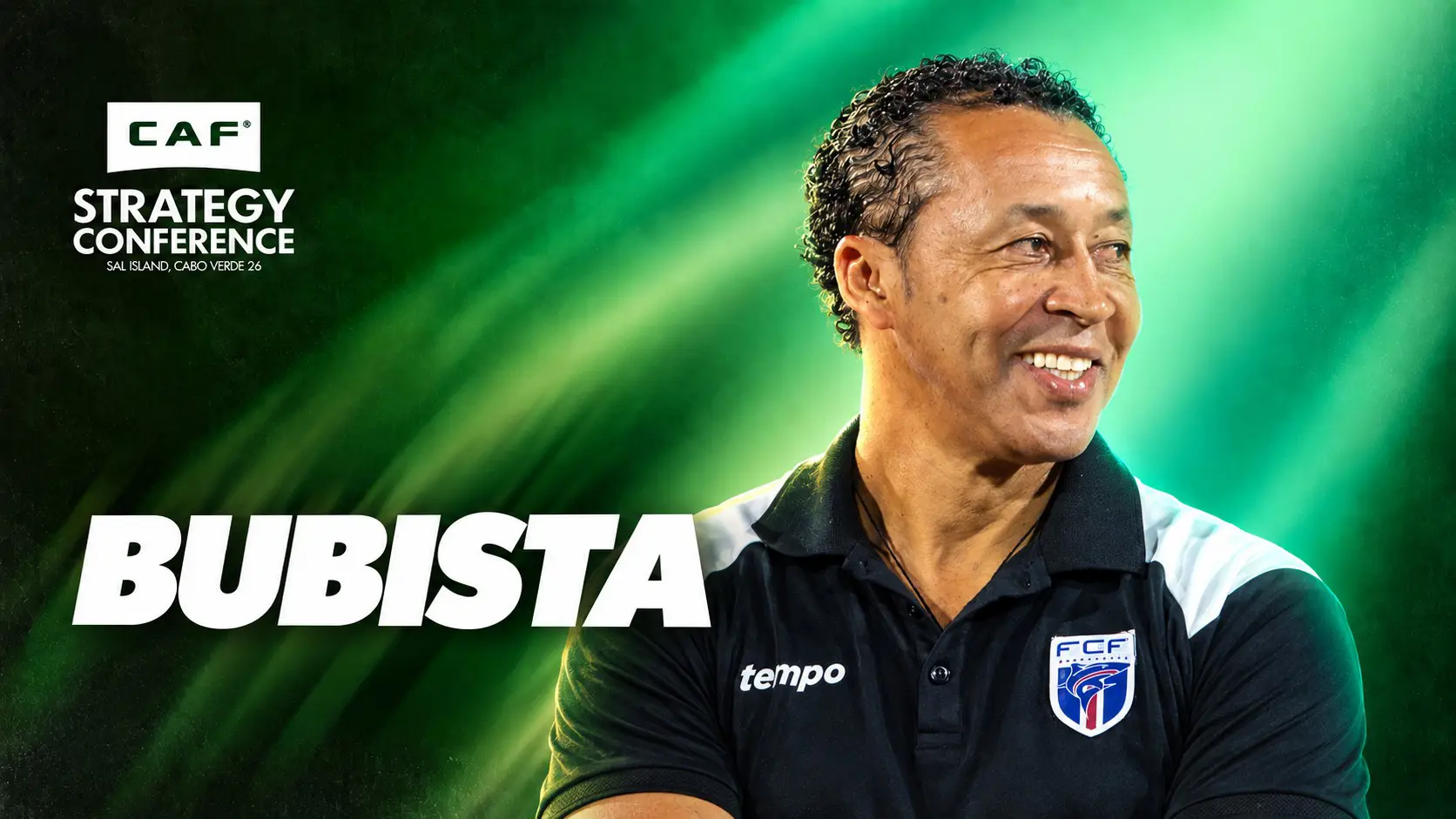
Bubista will arrive at the CAF Strategy Conference in Cabo Verde carrying one of the clearest examples of what African football can achieve when local coaching talent is trusted, developed and given time.
The 56-year-old made history by leading Cabo Verde to their first FIFA World Cup in 2026 before guiding the tournament debutants into the knockout stage without losing a group game.
His journey is particularly relevant to a Conference that will examine the performances of Africa’s 10 World Cup representatives and explore how the continent can build towards even greater success in 2030.
Unlike many coaches who arrive at international level after careers abroad, Bubista built his coaching reputation almost entirely at home, working through the Cabo Verdean football system before being entrusted with the national team.
That pathway, from domestic football to the biggest stage in the game, reflects one of the central themes of the Strategy Conference: the importance of investing in African coaches and creating pathways for them to reach elite level.
And after taking one of Africa’s smallest nations to the World Cup and then competing successfully against former champions Spain, Uruguay and Argentina, Bubista has experience that could prove particularly valuable when Africa’s leading football minds meet in Sal.
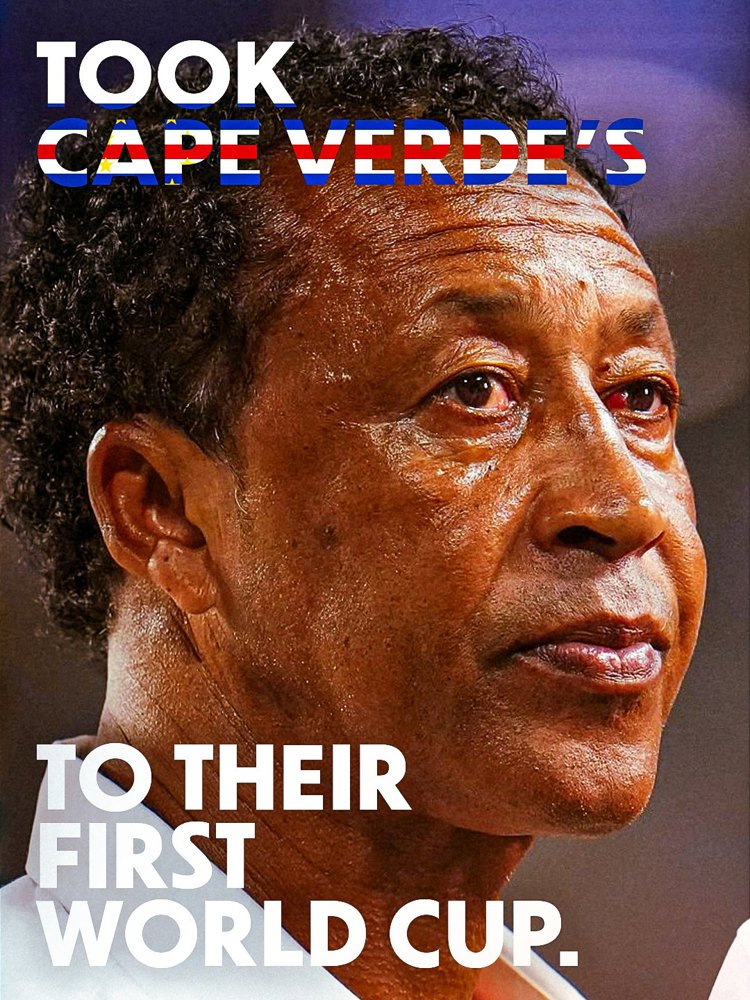
A coaching career built at home
Pedro Leitão Brito, better known as Bubista, was born on Boa Vista island and had already represented Cabo Verde as a player before moving into coaching.
His coaching career began with Mindelense in 2012 before spells with other Cabo Verdean clubs including Académica Mindelo, Sporting Praia and Batuque.
The path is notable because virtually every step of his early coaching development was taken within Cabo Verde.
There was no high-profile European apprenticeship or immediate move into international football.
Instead, he developed through the country’s domestic structures before being appointed Cabo Verde national-team coach in October 2020, his first job at senior international level.
FIFA describes the former Cabo Verde captain and defender as a coach whose teams are built around organisation, discipline, tactical flexibility and counter-attacking ability.
Those qualities ultimately helped turn a country of around half a million people into a World Cup nation.
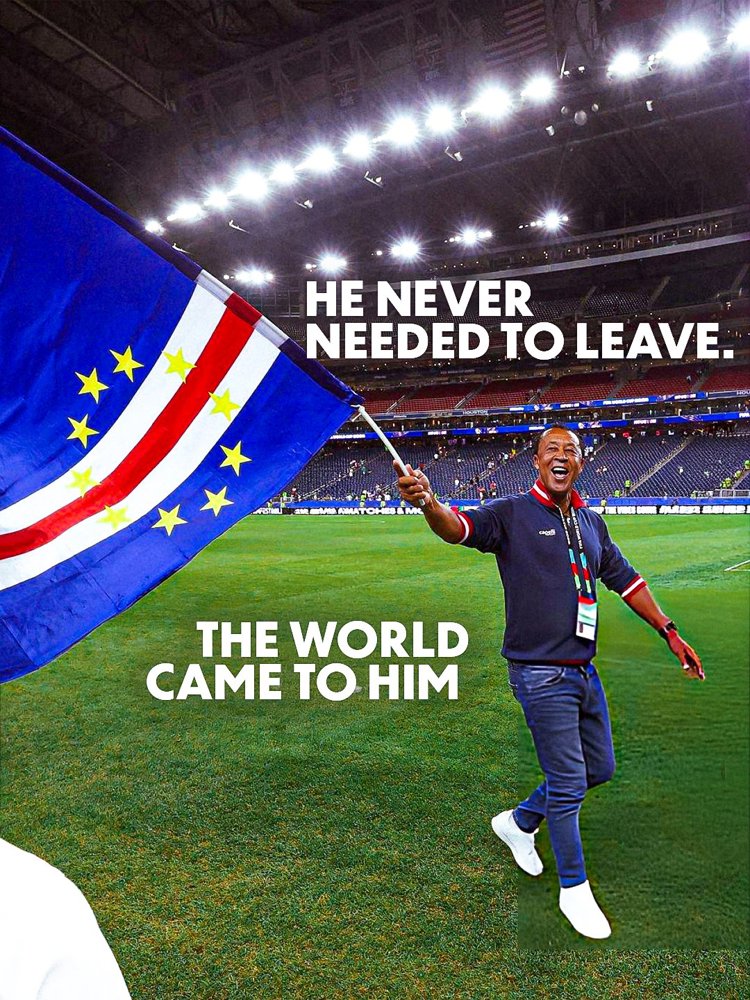
Taking Cabo Verde where they had never been
Bubista’s breakthrough achievement came during qualification for the 2026 World Cup.
Cabo Verde topped a difficult qualifying group containing Cameroon and Angola, finishing four points clear of Cameroon and winning all five of their home matches without conceding.
That campaign secured the country’s first World Cup appearance and earned Bubista recognition across the continent.
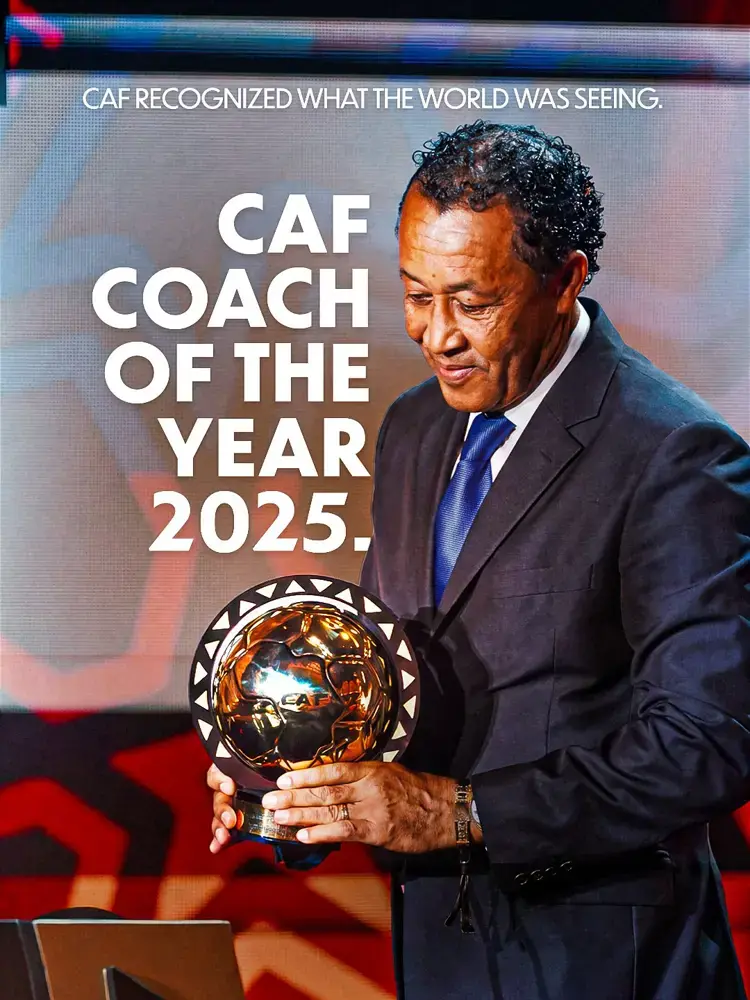
He was subsequently named CAF Men’s Coach of the Year in 2025, with CAF recognising the scale of the achievement after Cabo Verde reached the global finals for the first time.
But qualification proved to be only the beginning.
From World Cup newcomers to knockout team
Drawn alongside Spain, Uruguay and Saudi Arabia, Cabo Verde entered the World Cup as debutants but quickly showed they were not there simply to participate.
Bubista’s side stunned eventual champions Spain by holding them to a 0-0 draw in their opening game, producing a disciplined defensive performance that immediately demonstrated their ability to compete with elite opposition.
They followed that with a 2-2 draw against two-time world champions Uruguay, twice showing the resilience to respond in a demanding match.
A goalless draw against Saudi Arabia then secured second place in Group H and qualification for the Round of 32.
Cabo Verde finished the group stage unbeaten, with three draws from three matches, an extraordinary achievement for a nation appearing at the tournament for the first time.
Their adventure eventually ended against defending champions Argentina, but only after another performance that underlined their competitiveness.
Bubista’s team twice came from behind and took Argentina into extra time before losing 3-2, with the decisive goal arriving in the 111th minute.
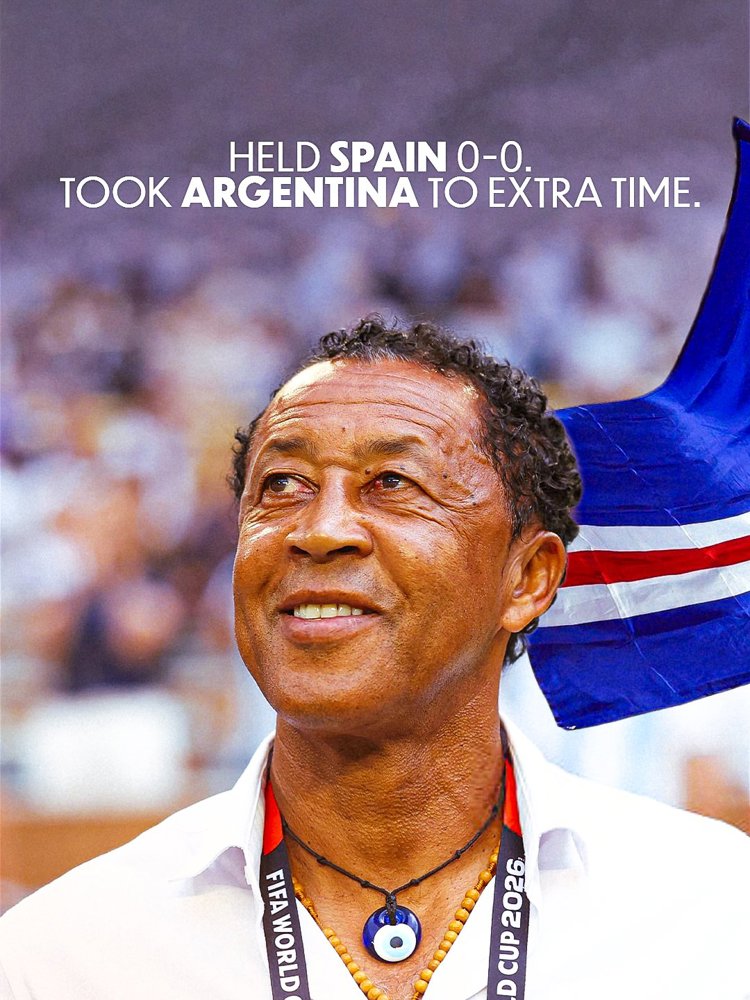
He never needed to leave for the world to notice
That story gives Bubista’s appearance at the CAF Strategy Conference a wider significance.
His rise challenges the assumption that an African coach must first establish himself in Europe before being considered capable of succeeding at the highest level.
From Mindelense and other clubs in Cabo Verde to the World Cup knockout stage, his career was largely built on home soil.
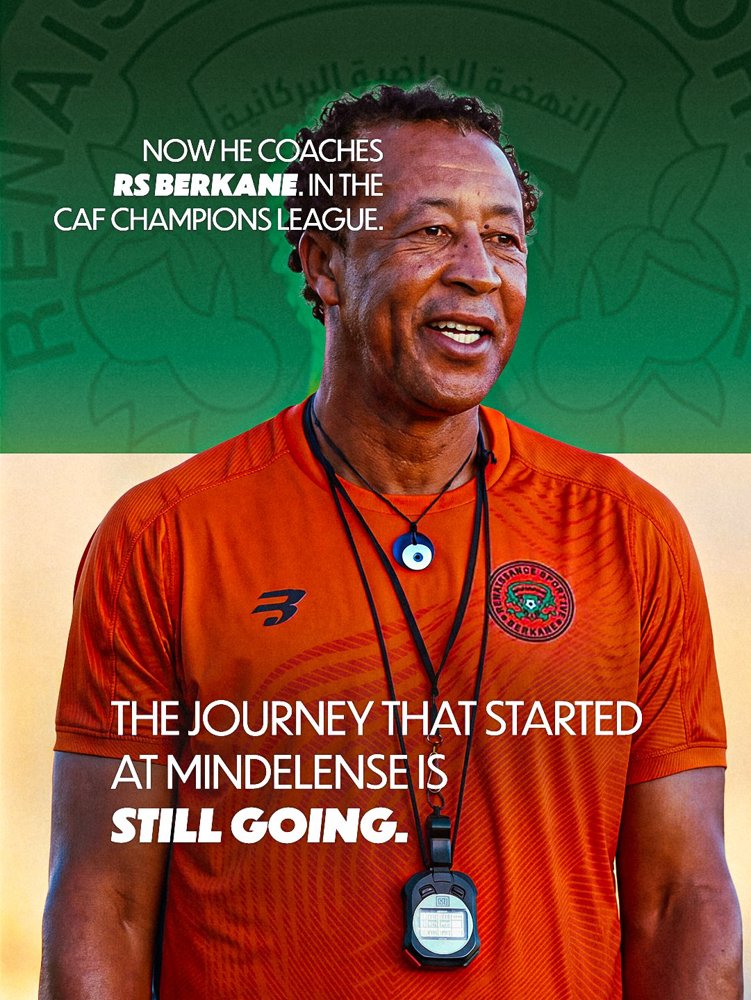
The graphic accompanying the Conference campaign captures the message simply: he never needed to leave; the world came to him.
That is exactly the type of development pathway CAF wants to examine as it considers how investment in coaching education, technical development and local expertise can translate into stronger international performances.
Bubista has since left the Cabo Verde national team to take charge of Moroccan club RS Berkane, extending a coaching journey that began in domestic Cabo Verdean football and has now reached one of Africa’s leading clubs.
For the Strategy Conference, however, his most important contribution will be the lessons behind Cabo Verde’s rise.
He can explain how a small football nation built a clear identity, maximised limited resources, trusted local knowledge and went from World Cup outsiders to a team capable of holding Spain and Uruguay and pushing Argentina to extra time.
That makes Bubista more than one of Africa’s 10 World Cup coaches.
He is a practical case study in how African coaching talent, when backed and developed, can compete globally.