









Wenger: 'Africa is close to winning the World Cup' - Key quotes from Day Three of the CAF Strategy Conference in Cabo Verde
Africa’s record performance at the FIFA World Cup 2026 and what must change for the continent to challenge for the title in 2030 dominated the final day of the CAF Strategy Conference in Santa Maria, Sal Island, Cabo Verde.
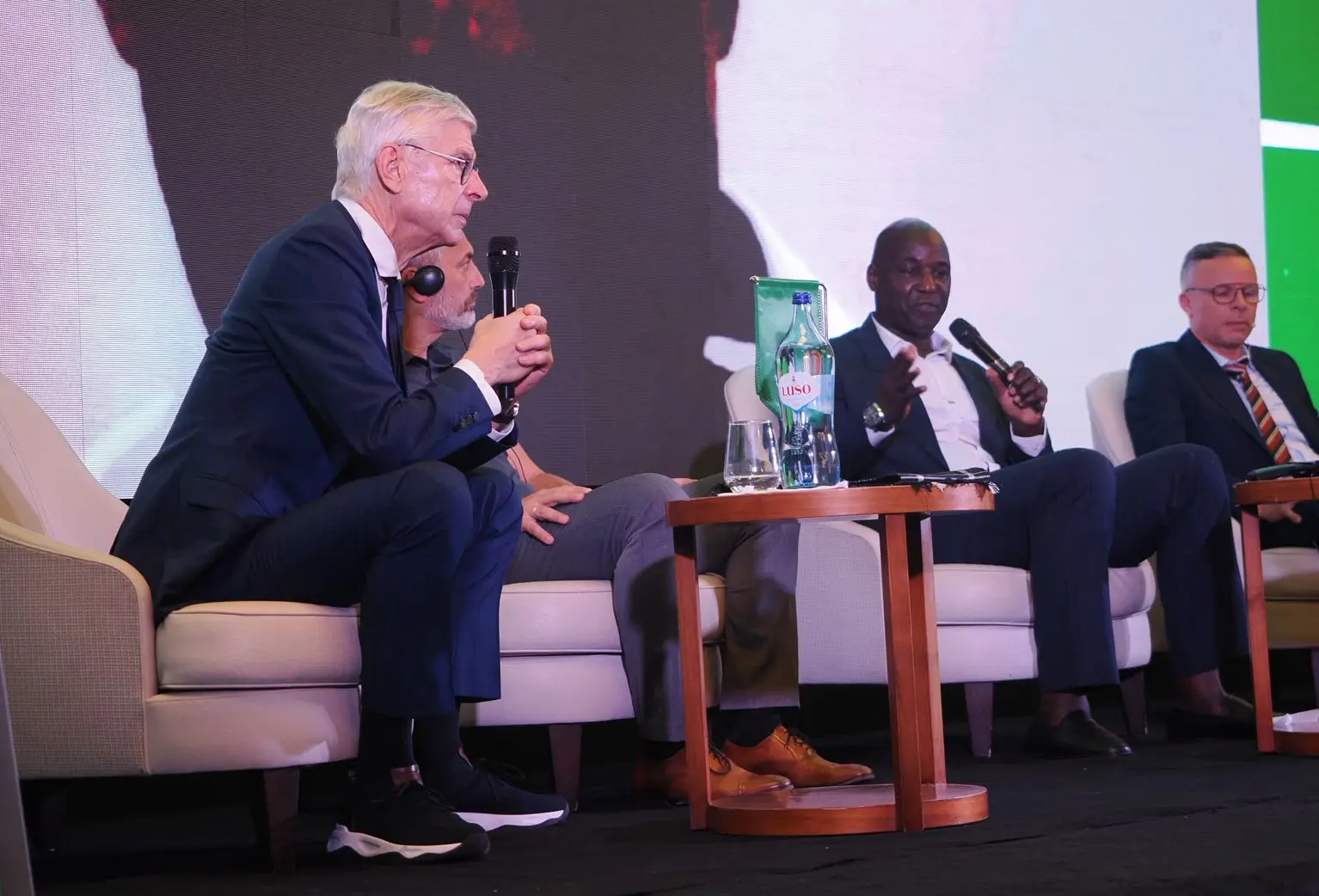
CAF President Dr Patrice Motsepe and FIFA President Gianni Infantino opened the day before FIFA Chief of Global Football Development Arsène Wenger, FIFA Technical Study Group member Otto Addo and FIFA Team Lead for Football Performance Analysis Aaron Ackerman presented a detailed technical review of Africa’s campaign.
The analysis showed that nine of Africa’s 10 representatives reached the knockout stage — the best progression rate of any confederation — but also identified small margins in chance creation, counter-pressing, penalty-box presence and late-game management that separated African sides from the tournament’s leading teams.
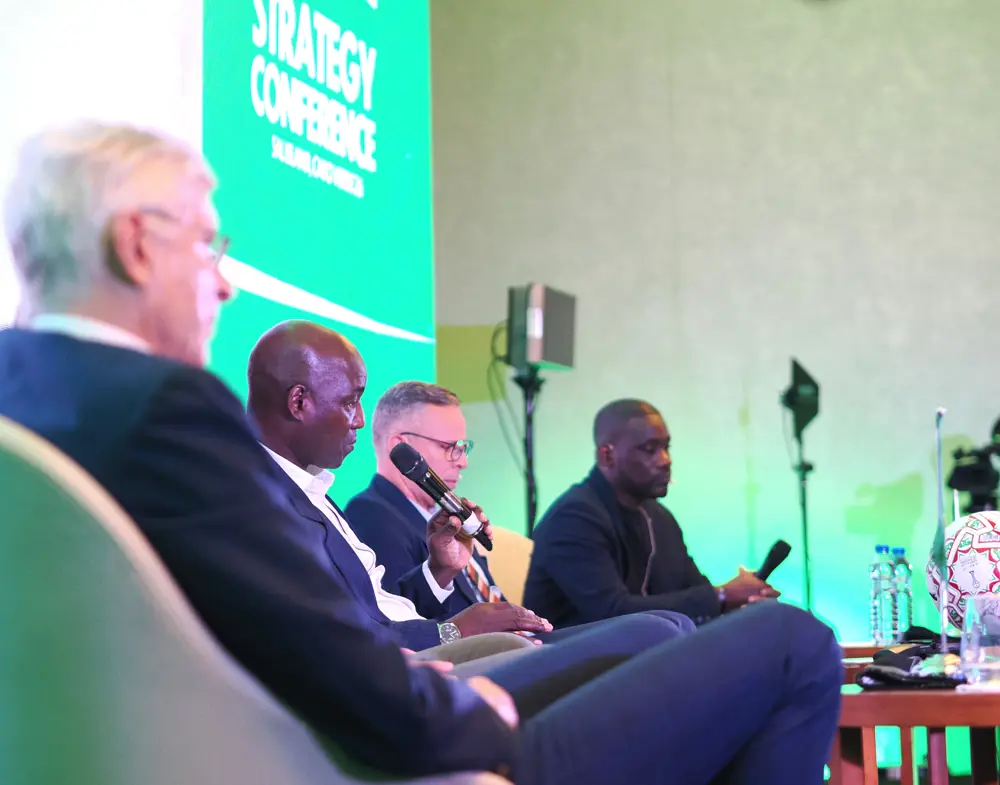
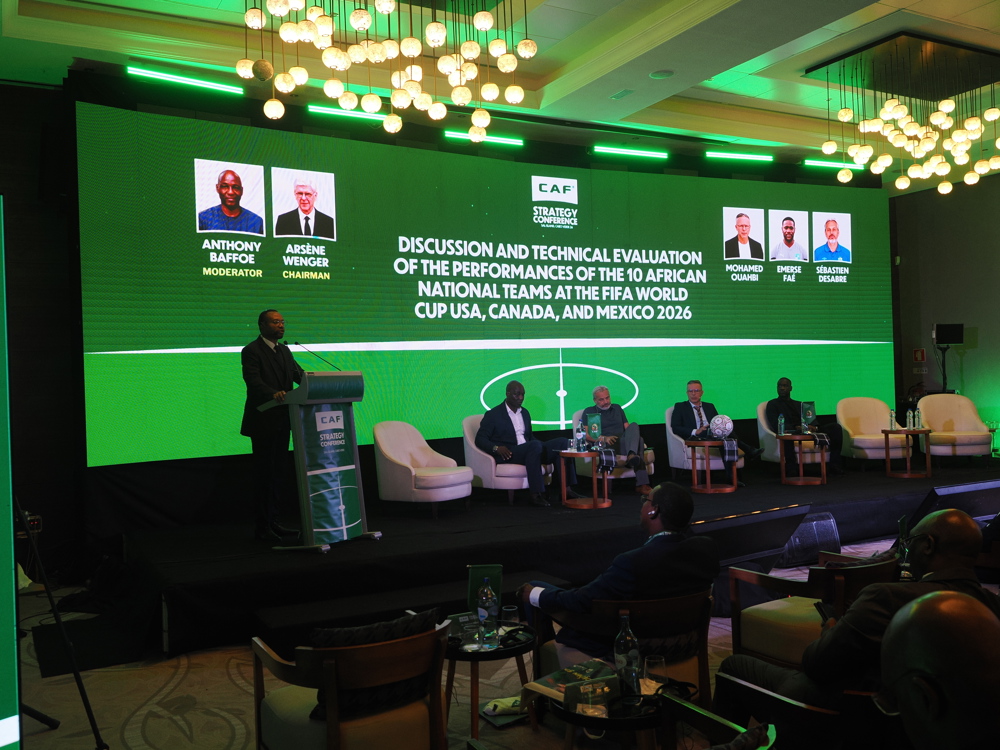
The technical discussion was followed by a coaches’ panel moderated by former Ghana international Anthony Baffoe, with contributions from coaches including Mohamed Ouahbi, Sébastien Desabre and former Cabo Verde coach Pedro Brito “Bubista”.
The Conference was designed to turn the lessons of 2026 into practical steps towards the FIFA World Cup 2030.
Below are the strongest remarks from Day Three.
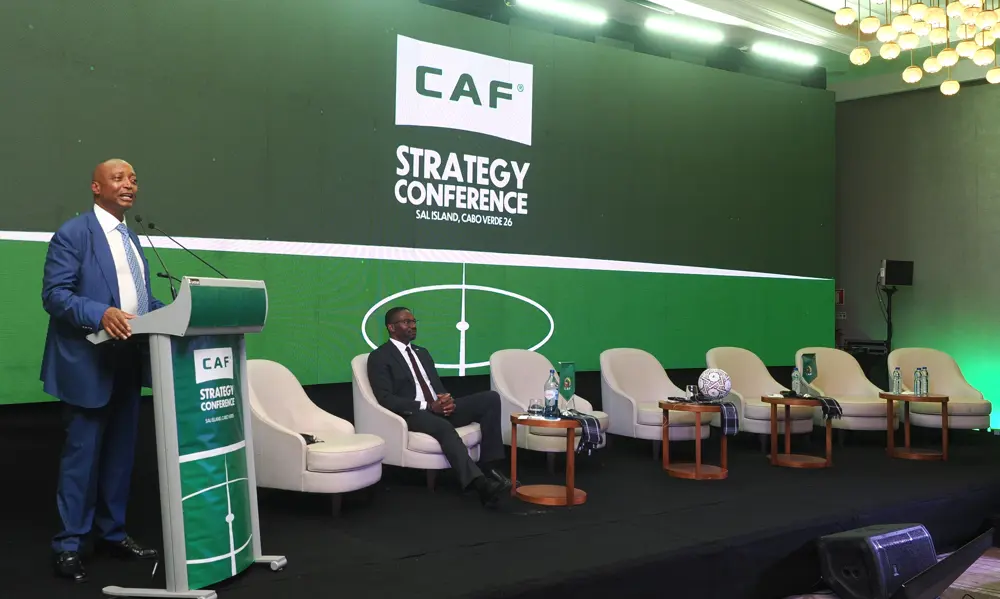
CAF President Dr Patrice Motsepe
Motsepe again placed the ultimate ambition clearly before African football: progress at the 2026 tournament should now lead to a serious push to win the World Cup.
“I want to say to you, just watching our teams, an African nation will be champions of the world.”
He said the purpose of the final day was not simply to admire Africa’s performance but to identify where teams can improve.
“The first session is about how we improve what we do, and the second session is about how we increase our chances.”
Motsepe also thanked the African coaches and former players attending the Conference for the role they have played in raising the continent’s standards.
“I really want to thank all of you, and I want to thank our coaches who made us so proud and our legends who are here.”
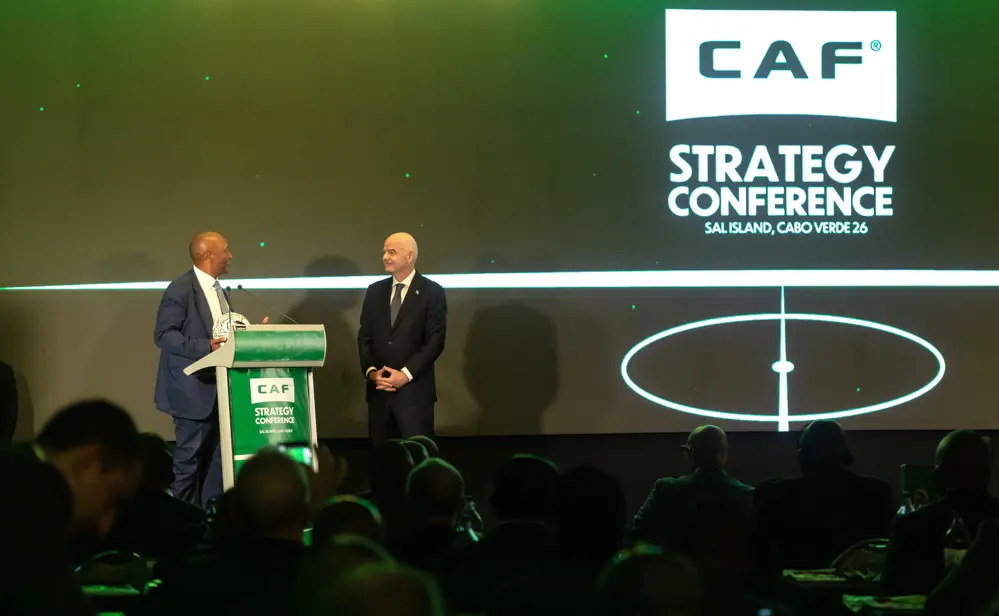
FIFA President Gianni Infantino
Infantino’s opening intervention focused on Africa’s increasing influence on the global game and the importance of using gatherings such as the Strategy Conference to determine the next steps.
“Africa and African talent have shaped and are shaping football.”
He stressed that the improvement visible at the latest World Cup had created a platform from which the continent could continue moving forward.
“We can see from this last World Cup the progress that has been made. What counts now is what comes next.”
Infantino also highlighted the value of CAF bringing its football leaders and technical experts together to analyse that progress.
“There is obviously something very important about conferences like this — coming together, listening and determining how we continue to improve.”
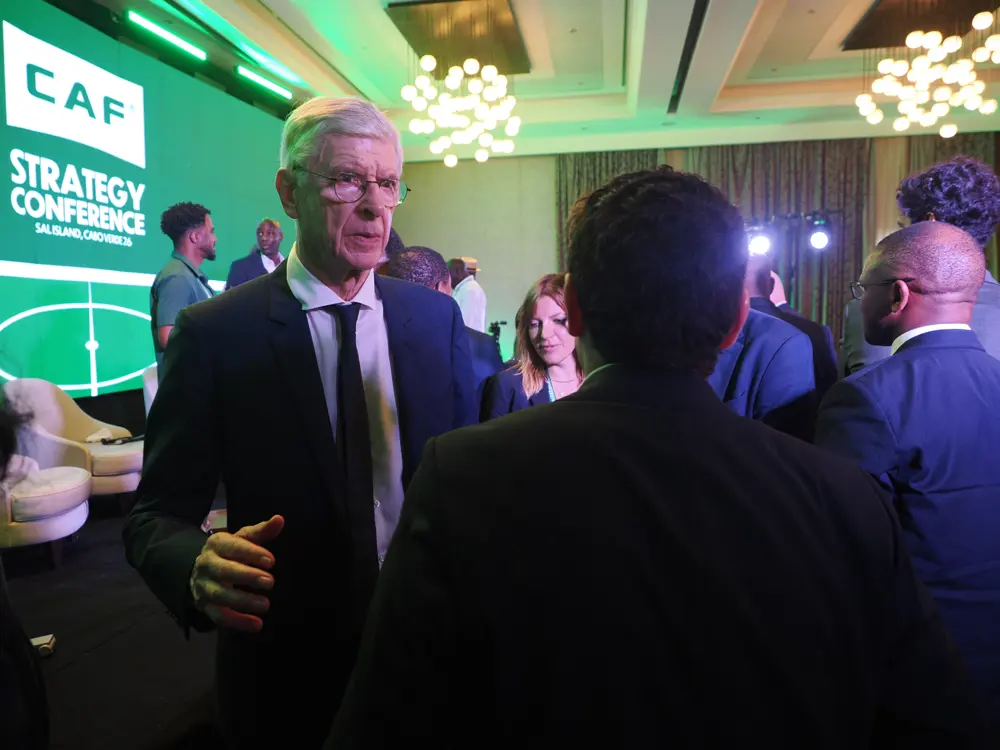
Arsène Wenger – FIFA Chief of Global Football Development
Wenger identified improved tactical discipline and organisation as one of the biggest reasons nine African teams advanced from their groups.
“In the past, African teams sometimes lost because of a lack of compactness, too much distance between the lines and inconsistent concentration. At this World Cup, it was difficult to beat any African team because the discipline and organisation were at the top level.”
But the former Arsenal manager said relatively small technical differences remained decisive once Africa reached the knockout stages.
“We are very close, but a small percentage can cost you the game. Most of these games were lost by one goal, so every detail in the modern game becomes absolutely vital.”
Wenger also pointed to attacking efficiency as the next major area for improvement.
“Africa has made a fantastic step forward. There is still another step to make. We want to see an African team win the World Cup, and the numbers show that it is feasible.”
His final warning was that data should not become the only way football development is measured.
“The numbers don’t lie, but football is not only numbers. It is also attitude, mental qualities, unity and your value system. Those are things you have to continue working on.”
Otto Addo – FIFA Technical Study Group member
Addo, who worked with FIFA’s Technical Study Group throughout the World Cup, said statistics had helped reinforce what technical experts were observing during matches.
“It was really interesting to have our perspectives backed up by statistics. We discussed many topics, had different perspectives and now we can show some of those insights.”
The former Ghana coach said African teams had the physical and technical capacity to adopt the aggressive pressing style employed by the world’s leading teams.
“Most African teams have the potential and the physicality to press higher, to be brave and to win the ball higher. Morocco showed that it is possible.”
He also highlighted Morocco as a reference point for other African countries.
“Morocco are a role model in that respect. It was impressive to see how they could dominate teams like Brazil, and I see other African teams with the same possibilities.”
Addo said successful attacking football also required players prepared to make repeated runs into dangerous areas even when they did not immediately receive the ball.
“Sometimes you make 10 runs and you don’t get the ball, but perhaps the 11th time you do. You need those profiles — players who keep getting into the box.”
Aaron Ackerman – FIFA Team Lead, Football Performance Analysis
Ackerman provided some of the day’s clearest numerical evidence of Africa’s progress.
“Nine of the 10 African teams got out of their groups, which was the best rate of any confederation at the World Cup. That is a phenomenal achievement.”
He rejected the suggestion that the increase could simply be explained by the expanded World Cup format.
“People might say it was because the competition expanded, but statistically that would not be a fair reflection. Nine out of 10 progressing is an extraordinary achievement.”
Ackerman said Africa’s next step was visible in the data, particularly in how teams attacked the penalty area and recovered possession.
“The messages are clear: get into the box, win the ball back faster and higher, and keep what already works.”
He summed up FIFA’s technical findings with perhaps the most striking line of the session:
“Africa has arrived at the World Cup — no one can question that. The next step is: can Africa arrive in the penalty box and score those goals?”
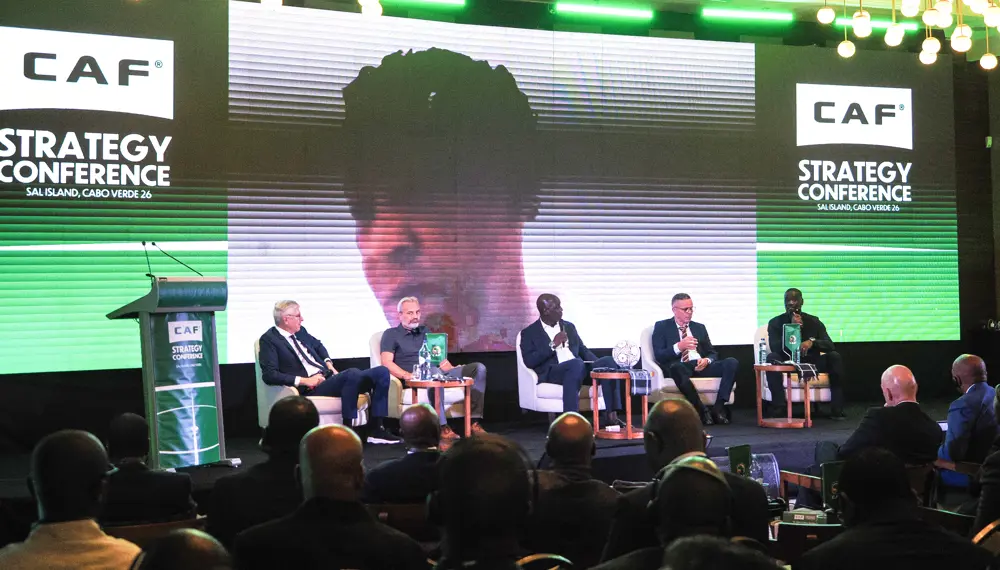
Anthony Baffoe – Moderator
Baffoe shifted the discussion from FIFA’s data towards the coaches who had experienced the tournament first-hand.
“We have seen a lot of data and a lot of explanation about why certain things happened. Now we can hear it from the horse’s mouth — the coaches were there.”
The former Ghana international defender praised Africa’s World Cup coaches for their collective achievement.
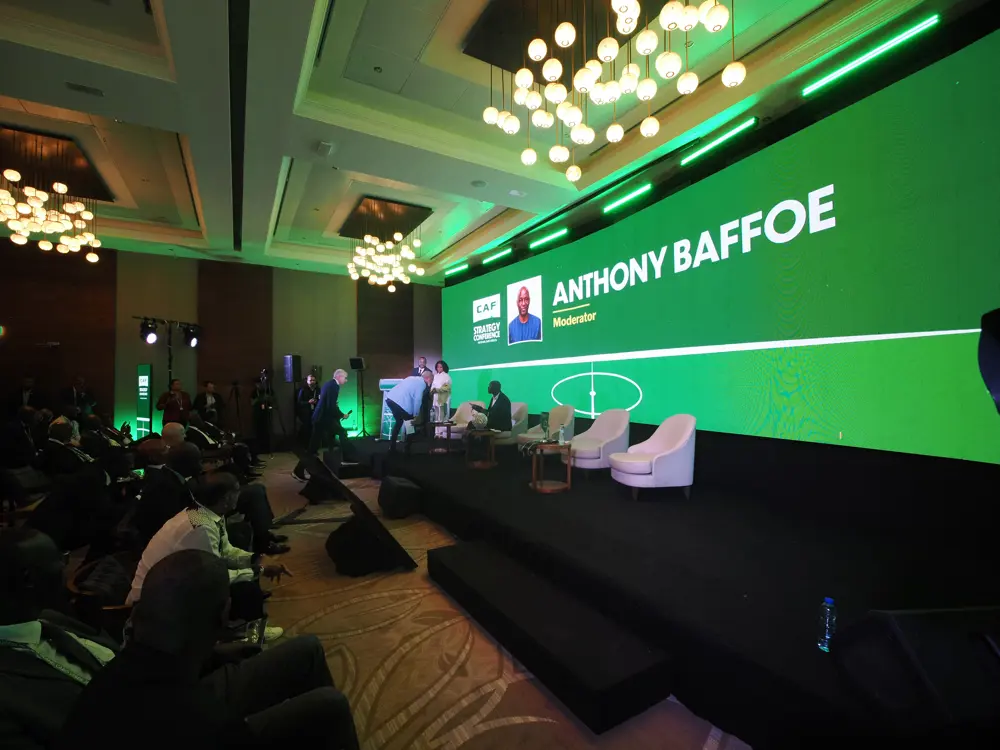
“To the coaches of the 10 qualified teams: you really made us proud, and we are very happy to have you here with us.”
He also made clear that the purpose of the panel was to go beyond general impressions and explore the decisions coaches faced during the tournament.
“Now we want to dive deeper. It is going to be very technical because we want to hear personally from the coaches who were present at this World Cup.”
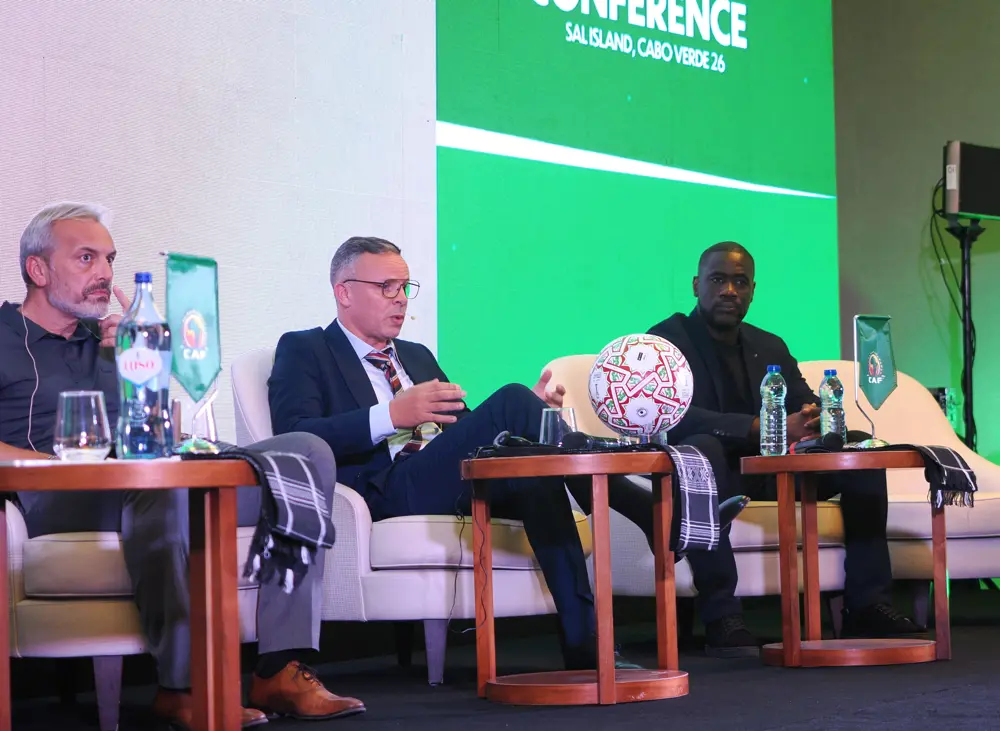
Mohamed Ouahbi – Morocco coach
Ouahbi discussed one of the biggest practical difficulties facing national-team coaches: maximising very limited preparation time during international windows.
Ouahbi said international windows must be used more efficiently because travel, recovery and matches leave national-team coaches with very limited training time.
He stressed the value of longer camps, which give players more time to understand and apply tactical instructions.
He argued that Morocco need strong friendly opponents because facing high-level teams provides a better measure of the players’ progress and preparation.
Sébastien Desabre – DR Congo coach
Desabre’s section is heavily affected by transcription and translation errors, but one central point is recoverable: DR Congo’s World Cup performance rested on work undertaken over several years rather than short-term preparation.
“At the end of the day, it was the stability we had prepared over four years.”
He highlighted the importance of building a settled group and establishing discipline before arriving at the tournament.
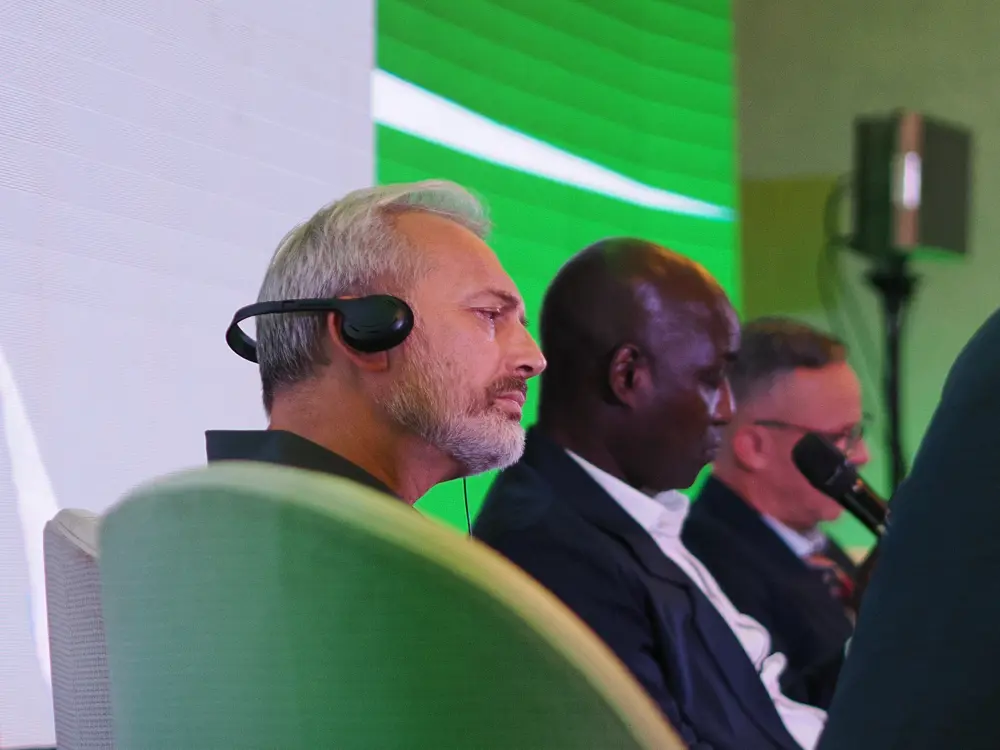
“We prepared the group over a long period, and the discipline within the team gave us the capacity to reach the World Cup.”
His contribution concerned the need for coaches to adapt tactically from match to match rather than rely on one fixed system — consistent with DR Congo’s route back to the World Cup after a 52-year absence and subsequent progression to the knockout stage.
Pedro Brito “Bubista” – former Cabo Verde coach
Bubista offered one of the clearest examples of how a smaller African nation could create a competitive World Cup identity through preparation, discipline and clearly defined objectives.
“We cannot think about only one strategy. We have to have more than one strategy — one when we don’t have the ball, another when we have the ball, and another when we cannot attack quickly.”
He said Cabo Verde’s belief was established before the team arrived at the World Cup.
“From the beginning, we defined our objective: we wanted to move into the knockout stages. I told our leadership, ‘I don’t know how, but we are going to the knockout stage.’”
 Bubista argued that African teams must become more ambitious and explicit about what they are trying to achieve at major tournaments.
“Something that is sometimes lacking in African football is clearly defined objectives for these competitions. Very few teams say clearly: ‘We are going to reach the final’ or ‘we are going to reach the semi-finals.’”
He also pointed to Cabo Verde’s goal against Argentina as evidence that the Blue Sharks were capable of more than simply defending deep.
“We recovered the ball, kept possession, built the attack and scored. We were confident in everything we had prepared.”
The FIFA analysis reinforced Bubista’s point about tactical identity. Morocco and Cabo Verde succeeded with contrasting approaches — Morocco with greater possession and aggressive ball recovery, Cabo Verde through a disciplined low block and rapid attacking transitions — but both had clearly defined structures.
Wenger’s conclusion was that there is no single model African teams must copy: the important requirement is clarity, organisation and excellence in executing the chosen plan.