








Alioum Saïdou (Cameroon U-17): “This competition is a huge opportunity for our young players”
- Cameroon will make their ninth appearance at the TotalEnergies CAF U-17 Africa Cup of Nations
- The Indomitable Cubs have been drawn in Group B alongside Uganda, Côte d’Ivoire and DR Congo
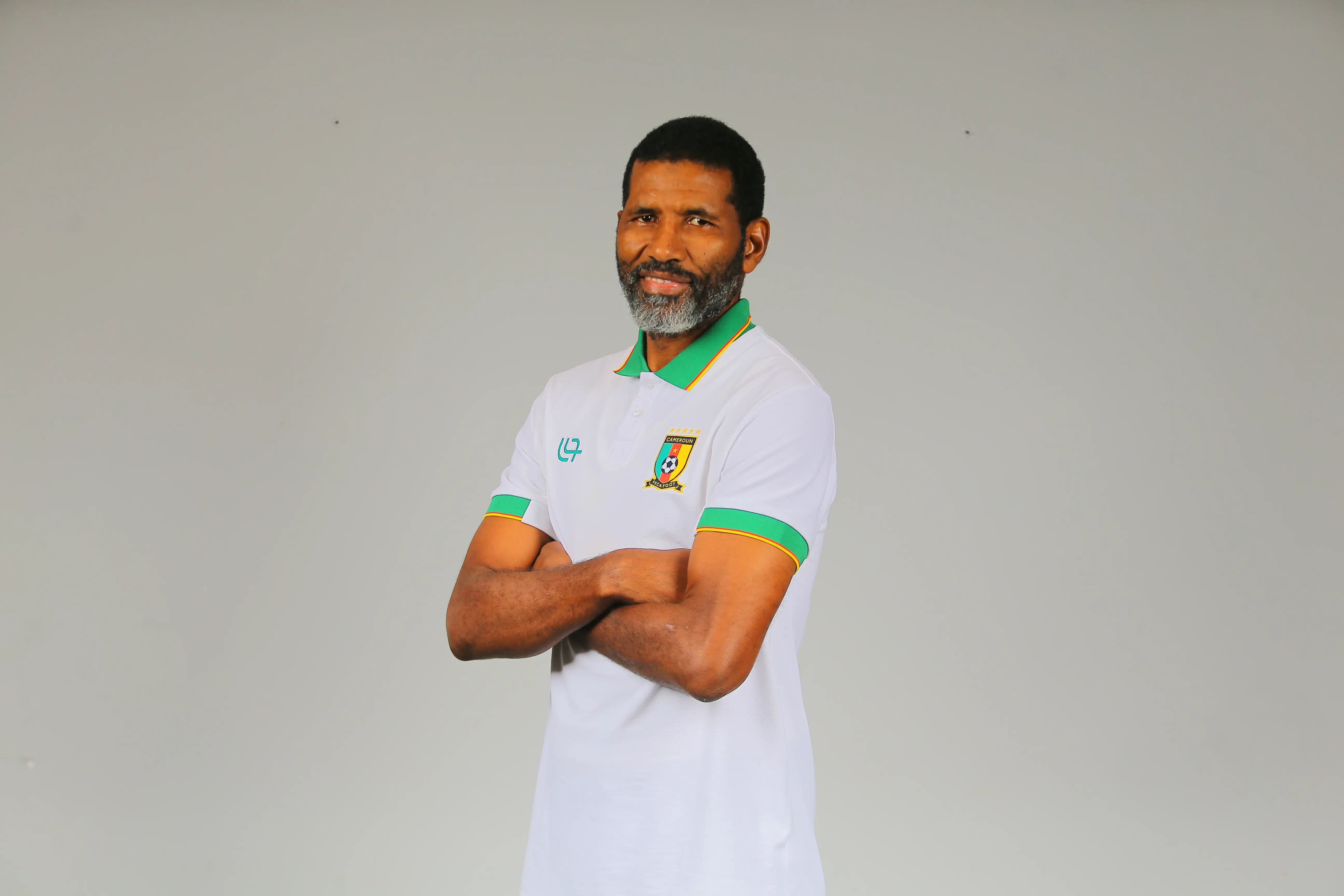
- Alioum Saïdou will lead Cameroon at a second consecutive U-17 AFCON finals
As the TotalEnergies CAF U-17 Africa Cup of Nations Morocco 2026 gets underway on Wednesday, Cameroon head to Morocco determined to reaffirm their place among Africa’s leading youth football nations.
Qualifying for a second consecutive finals tournament, the Indomitable Cubs are preparing for their ninth appearance in the competition with ambitions of going beyond the group stage after last edition’s disappointing early exit.
At the helm is Alioum Saïdou, who continues the long-term development project he began more than two years ago, centred around player identification, individual progression and meeting CAF eligibility requirements.
Drawn in a highly competitive Group B featuring Côte d’Ivoire, Uganda and DR Congo, Cameroon know the margins will be fine in a tournament where intensity rises quickly.
For the former Cameroon international, the tournament represents a key step in shaping the next generation of senior national team players.
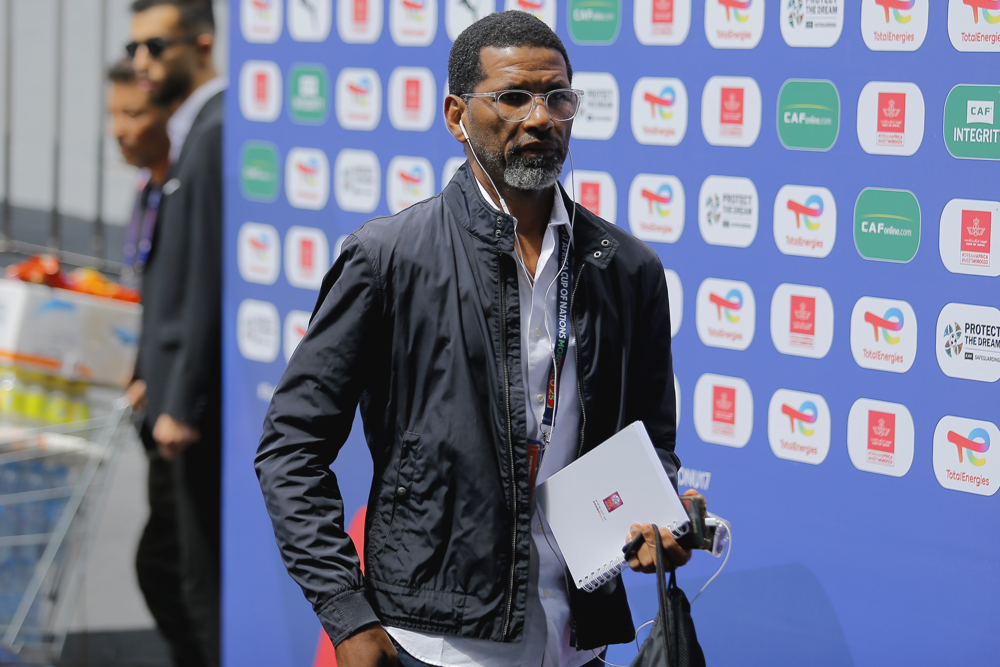
CAFOnline.com: You have just arrived in Rabat. How has the team settled in?
Alioum Saïdou: We have only just arrived, so this is really our first night here after the friendly match against Mozambique in Casablanca. We reached the Mohammed VI Complex in the evening and I must say the facilities are very impressive. We are still discovering everything around us, but the environment is excellent for the players.
Cameroon have now qualified for back-to-back TotalEnergies CAF U-17 AFCON tournaments. What does this consistency say about the work being done in youth development?
It shows that significant work is being done in youth development. Working with players in this age category is never easy.
Despite that, we continue to organise training camps and scouting programmes to identify eligible players capable of competing at this level.
I have been working with this group for more than two years now and we are continuing with that long-term approach. The TDS Championship has also become an important platform for identifying talented young players who can compete internationally.
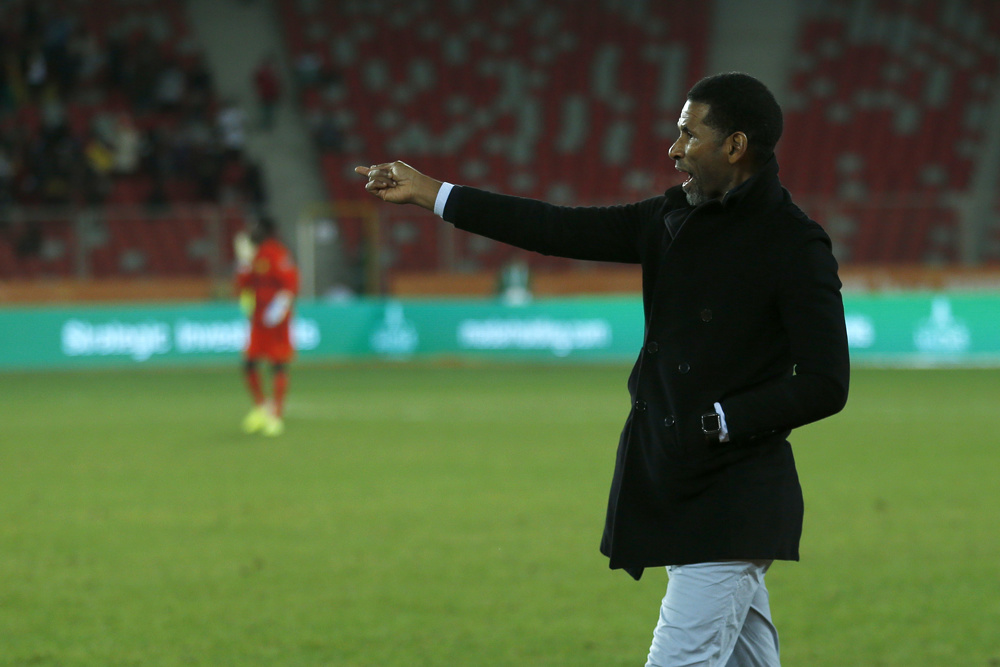
Last year Cameroon exited at the group stage. What lessons have you taken from that experience?
Last year we believed we had a very strong team capable of winning the competition, but unfortunately we did not even progress beyond the group stage. That was disappointing.
At the same time, the most important thing is not only winning trophies. Player development and long-term progression remain the priority. Some of the players from that squad have already been called into the senior national team preliminary setup, which proves the work is producing results.
We learned a lot from last year’s disappointment and we are working hard to correct the mistakes we made.
You will face Côte d’Ivoire, Uganda and DR Congo in Group B. What do you make of the competition?
These are teams we know well. Personally, during my professional career, I often played against sides like Côte d’Ivoire in major matches. Competitions like this are extremely important for young players and motivation is never an issue in games of this nature.
As for DR Congo, who finished behind us at the UNIFFAC tournament, I believe they will arrive with a very different squad because they have changed a large part of their team. That shows they have also prepared seriously for this tournament.
It will be a difficult competition, but we will remain focused and continue building on the lessons learned from last year.
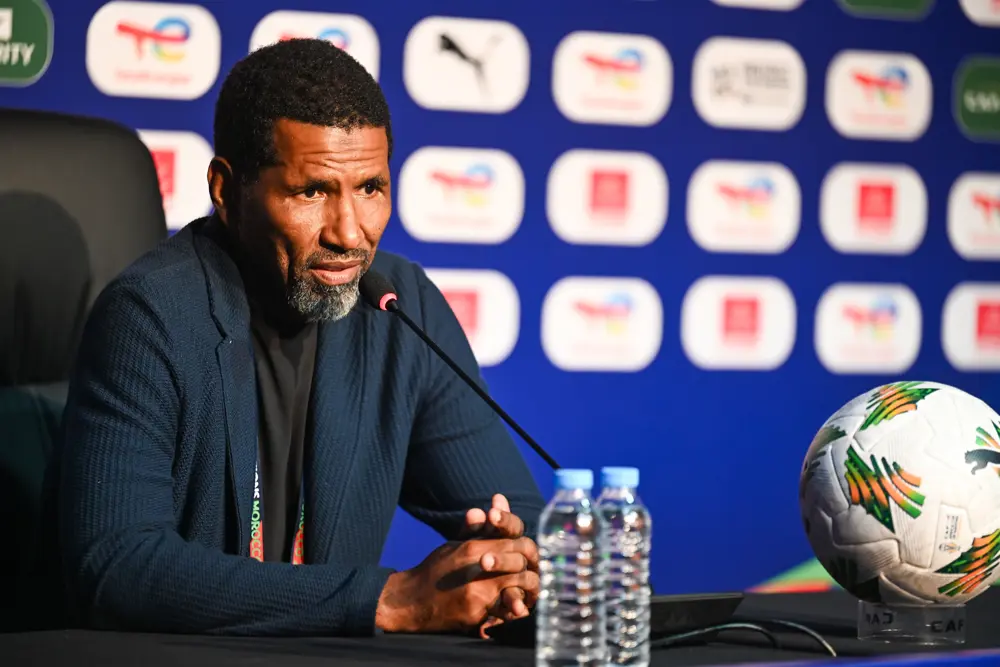
How are you helping these young players manage the pressure of a continental competition?
This aspect is very important. Technically and physically the players are ready, but we are focusing heavily on the tactical and especially the mental side of the game.
We want them to understand the opportunity they have and to enjoy the experience because when players are enjoying themselves, performances usually follow. Our approach is not to place excessive pressure on them, but rather to allow them to express themselves freely.
Cameroon are always among the most expected teams in youth tournaments. How do you deal with those expectations?
Cameroon will always carry expectations, but football has evolved and competitions have become more demanding. Our message to the players is simple: stay focused, enjoy the moment and keep working hard. Last year things did not go our way, so we are paying even more attention to the mental aspect this time around.
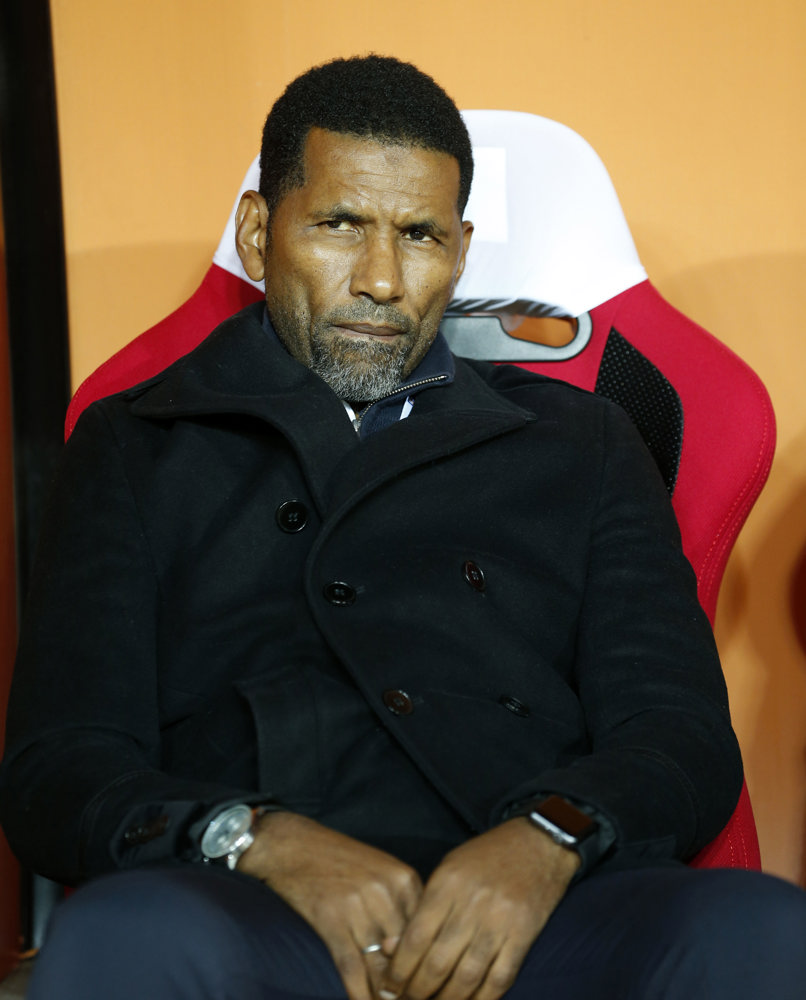
How important is this tournament for the future careers of these young players?
Like all young footballers, they dream of playing in competitions like this. Many children would love to be in their position today, representing Cameroon on the continental stage.
This tournament can become a major step in their careers. With the visibility football now receives through digital platforms and global scouting networks, opportunities such as the FIFA U-17 World Cup or professional careers can emerge from tournaments like these.
At the same time, we must protect these young players. They are often exposed very early to outside influences and pressures from agents or their surroundings. Our responsibility is to guide them properly and create the right environment for them to succeed both on and off the pitch.