








Mali Profile – 2026 CAF TotalEnergies U-17 Africa Cup of Nations
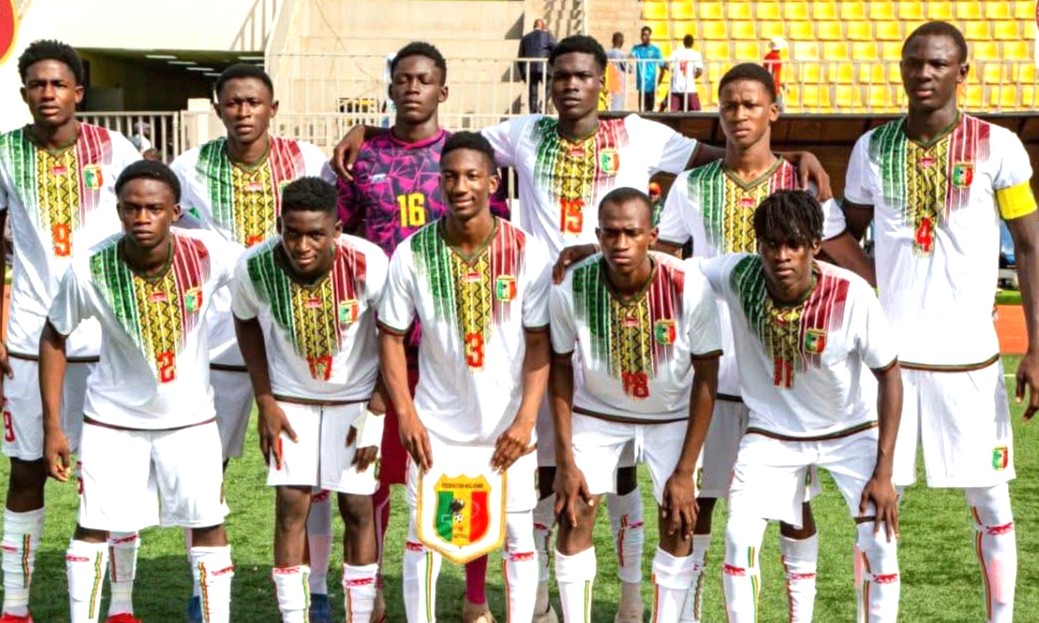
Mali U-17 Profile
Key Facts
- Team: Mali
- Appearance: 11th
- Last Appearance: 2025
- Best Performance: Champions (2015, 2017)
Mali head into the TotalEnergies CAF U-17 Africa Cup of Nations 2026 as one of the continent’s most consistent youth football nations, determined to challenge for honours once again.
The Young Eagles return for their 11th appearance, underlining their pedigree at this level, and will be aiming to add to their two continental titles won in 2015 and 2017.
How They Qualified
Mali secured qualification for Morocco 2026 by finishing runners-up in the WAFU A U-17 Championship held in Bamako.
They reached the final after a strong campaign but fell 2-0 to Senegal, with Souleymane Commissaire Faye scoring twice to deny them the title.
Despite the defeat, Mali’s performances throughout the tournament were impressive, showcasing attacking intent, resilience and a wealth of emerging talent.
Their qualification confirms their continued presence among Africa’s elite youth teams.
History in the Competition
Mali have built a reputation as one of the most successful teams in U-17 AFCON history.
With two titles (2015, 2017) and multiple deep runs, including several semi-final appearances, they are perennial contenders at this level.
Their consistency is a testament to one of the strongest youth development systems on the continent.
Key Players to Watch
- Ismaïl Kamissoko (Defender, Captain) – A commanding centre-back and leader of the team, Kamissoko provides defensive stability and organisational strength.
- Abdoulaye Samaké (Midfielder) – A dynamic midfielder capable of controlling the tempo and contributing both defensively and offensively.
- Djigui Koita (Forward) – A promising young striker with pace and finishing ability, Koita adds cutting edge to Mali’s attack.
Coach & Tactical Approach
Mali are coached by Demba Traoré, who continues the country’s tradition of developing technically gifted and tactically disciplined players.
His philosophy is centred on:
- Possession-based football, emphasising control and technical superiority
- Structured attacking play, creating chances through fluid movement
- Strong defensive organisation, ensuring balance across the team
Traoré’s approach reflects Mali’s identity as a technically driven football nation.
Tournament Expectations
Mali enter the tournament with ambitions that go beyond qualification.
Their primary target will be to secure a place at the FIFA U-17 World Cup Qatar 2026 by finishing among the top ten teams, but given their history, they will also be aiming to challenge for the title.
With their blend of experience and emerging talent, the Young Eagles are expected to be among the leading contenders and could once again make a deep run in the competition.