









Morocco 2026 shows future of African football is already taking shape
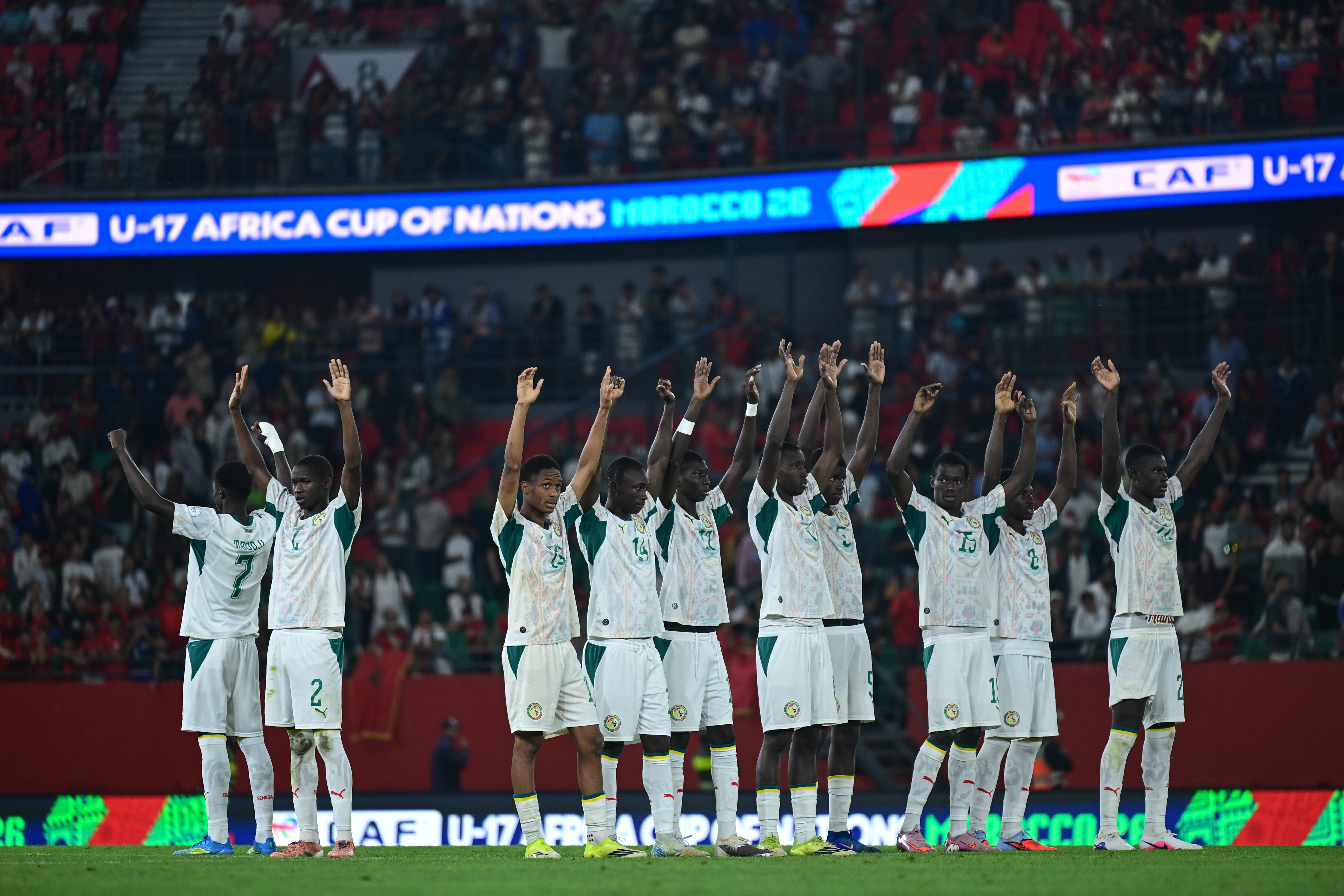
The TotalEnergies CAF Under-17 Africa Cup of Nations, Morocco 2026, has offered more than a contest for a continental title.
It has provided a clear picture of the direction in which African football is moving, with young players, emerging nations and established football schools all contributing to one of the most competitive editions of the tournament.
From the opening stages, Morocco 2026 showed the value of age-group football as a platform for identifying, testing and developing the next generation of African stars.
The tournament produced strong technical performances, tactical maturity and individual quality from players still at the earliest stages of their football careers.
It also showed that the gap between traditional powerhouses and emerging nations is continuing to narrow, especially when countries invest properly in youth development, coaching, scouting and regular competition.
The most powerful example has been Tanzania.
The Serengeti Boys became one of the stories of the tournament by reaching the final for the first time, exceeding expectations and giving East African football one of its proudest moments at continental youth level.
Tanzania were not widely considered among the favourites before the competition began, but their performances in Morocco changed that perception.
They played with organisation, discipline and courage, combining a strong collective structure with the ability to respond under pressure.
Their run to the final, which included knockout victories over Algeria and Egypt on penalties, demonstrated the importance of belief and preparation at youth level.
It also showed that talent in Africa is not limited to a few established regions.
For East African football, Tanzania’s success is a major statement.
It reflects the gradual progress being made in the region and suggests that with the right structures, teams from East Africa can compete strongly against the best youth sides on the continent.
The tournament has also highlighted the strength of North African football.
Algeria reached the quarter-finals after a campaign built on tactical discipline, defensive organisation and competitive spirit.
Their narrow elimination on penalties showed how close they were to going deeper into the tournament and underlined the quality of their group.
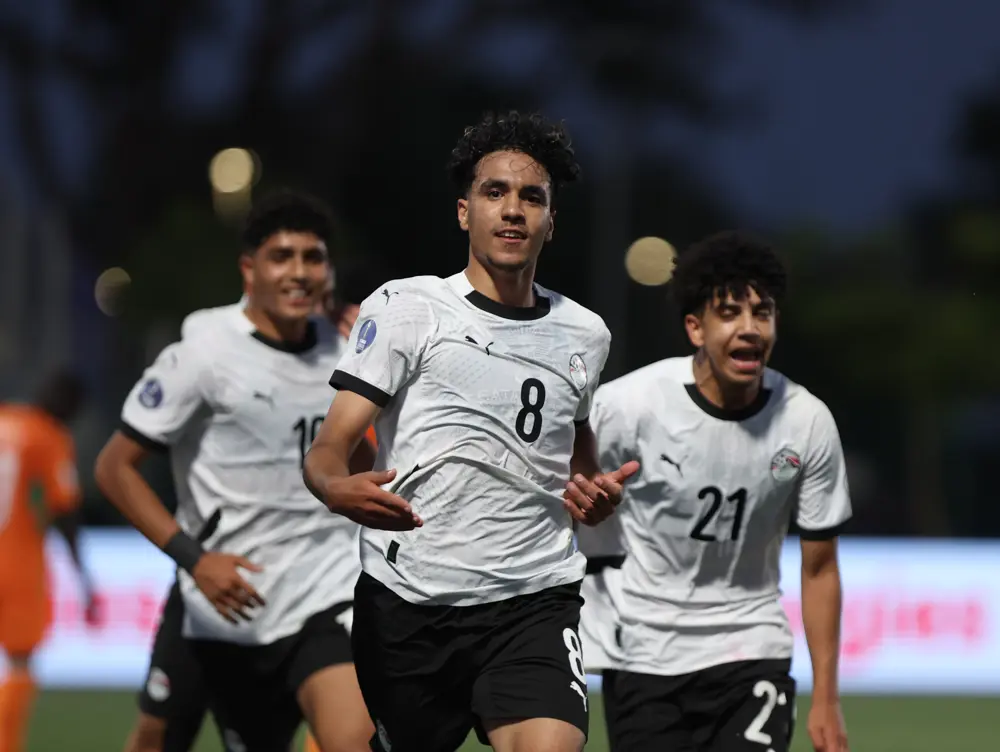
Egypt also made a strong impression by reaching the semi-finals.
The Young Pharaohs combined tactical structure with pace in transition and moments of individual quality, reinforcing the depth of Egyptian youth football.
Even though their dream of reaching the final ended against Tanzania, their campaign showed that Egypt remains an important force at youth level.
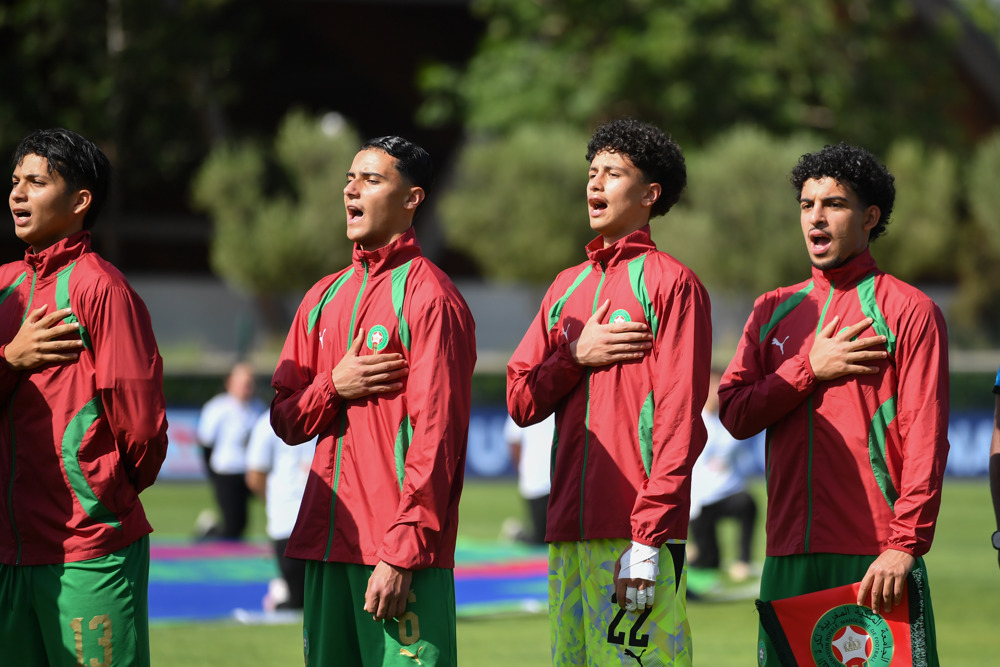
Hosts Morocco were also among the standout sides of the competition.
As defending champions and tournament hosts, the young Atlas Lions carried expectation from the start, but they responded with confidence, technical quality and character.
Their run to the semi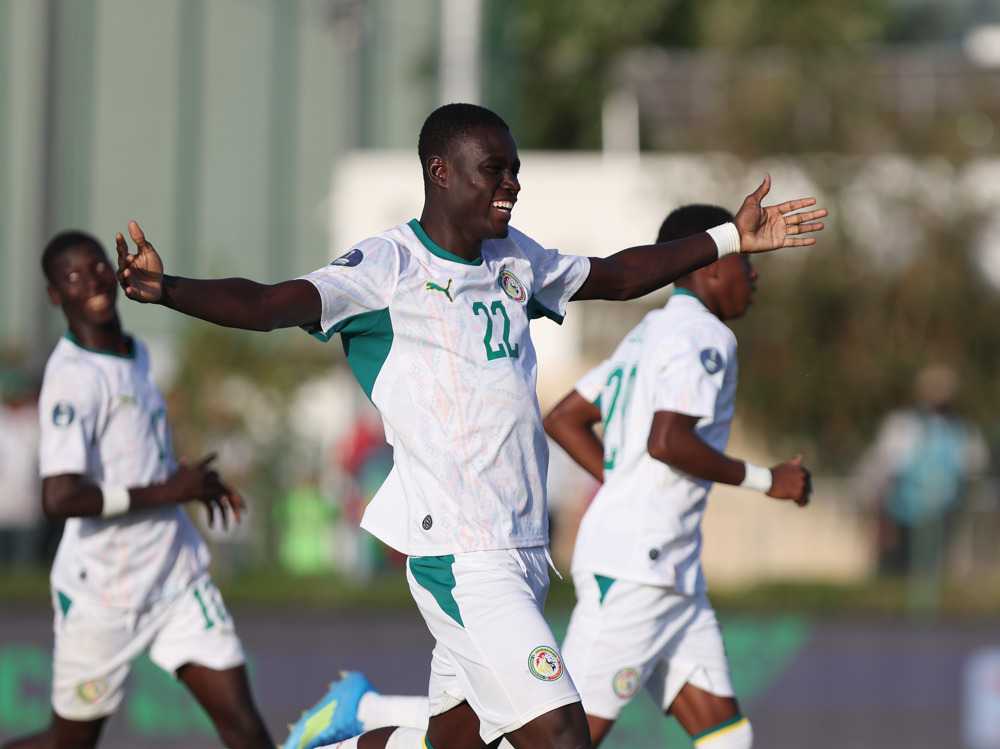 -finals was supported by passionate home backing and reflected the strength of Morocco’s long-term investment in grassroots football.
Morocco’s players showed an ability to manage pressure, play with personality and compete against strong opponents.
Their semi-final defeat to Senegal on penalties was painful, but their overall performance reinforced the impression that Moroccan youth football continues to move in a strong direction.
Senegal, meanwhile, again demonstrated why they are regarded as one of the most consistent producers of young football talent on the continent.
The Young Lions of Teranga combined physical strength, tactical discipline and mental toughness to reach the final, surviving difficult knockout matches and proving their ability to handle pressure.
Their progress reflected not only the quality of the players, but also the depth of the country’s youth football system.
Cameroon also continued to show the physical strength, competitive identity and talent base that have long made them one of Africa’s respected football nations.
Across the tournament, different football schools brought different strengths.
Some teams relied on possession and technical combinations.
Others used physical power, speed and direct play.
Some built their success on defensive structure, while others impressed through transitions and attacking ambition.
That variety gave Morocco 2026 its richness and showed the diversity of African football at youth level.
It also made the competition a valuable learning environment for young players.
At under-17 level, tournaments like this are not only about winning matches.
They are about exposing players to pressure, travel, tactical demands, media attention, passionate crowds and the responsibility of representing their countries.
Those experiences can become vital in shaping future senior internationals.
For CAF, the TotalEnergies CAF U-17 Africa Cup of Nations remains one of the most important development competitions on the continent.
It gives young players a continental stage, provides national teams with meaningful competition and allows scouts, coaches and federations to assess the quality of the next generation.
Morocco 2026 has again shown why age-group tournaments are central to the future of African football.
They are not simply events on the calendar.
They are part of a wider development pathway.
The performances in this edition suggest that more countries are beginning to understand the importance of early preparation, structured academies, coaching education and competitive youth football.
Where those elements are present, the results are visible.
The tournament also showed that success at youth level is no longer guaranteed by reputation alone.
Traditional football nations remain strong, but emerging teams are increasingly organised, ambitious and technically prepared.
That has made the competition more unpredictable and more valuable.
Tanzania’s rise, Morocco’s consistency, Senegal’s resilience, Egypt’s structure, Algeria’s discipline and the continued competitiveness of teams such as Cameroon all point to a broader and deeper talent base.
The decisive factor is becoming less about history and more about preparation.
Countries that invest in their young players are beginning to see the reward.
Countries that build clear development pathways are giving their teams a better chance to compete.
Countries that combine scouting, coaching, regular competition and technical development are creating players who can cope with the demands of modern football.
That is the wider message of Morocco 2026.
The tournament has not only revealed outstanding players.
It has shown that African football’s future is becoming more competitive, more diverse and more ambitious.
For the young players involved, this competition may be the first major step in careers that could take them to senior national teams, professional clubs and global tournaments.
For their countries, it is proof that investment in youth football can produce results.
For African football, it is another sign that the next generation is already emerging.
The TotalEnergies CAF Under-17 Africa Cup of Nations Morocco 2026 has therefore been more than a youth tournament.
It has been a platform for tomorrow’s stars, a test of development systems and a glimpse of the new shape of African football.