















Tanzania v Senegal: Contrasting styles set up fascinating U-17 AFCON final
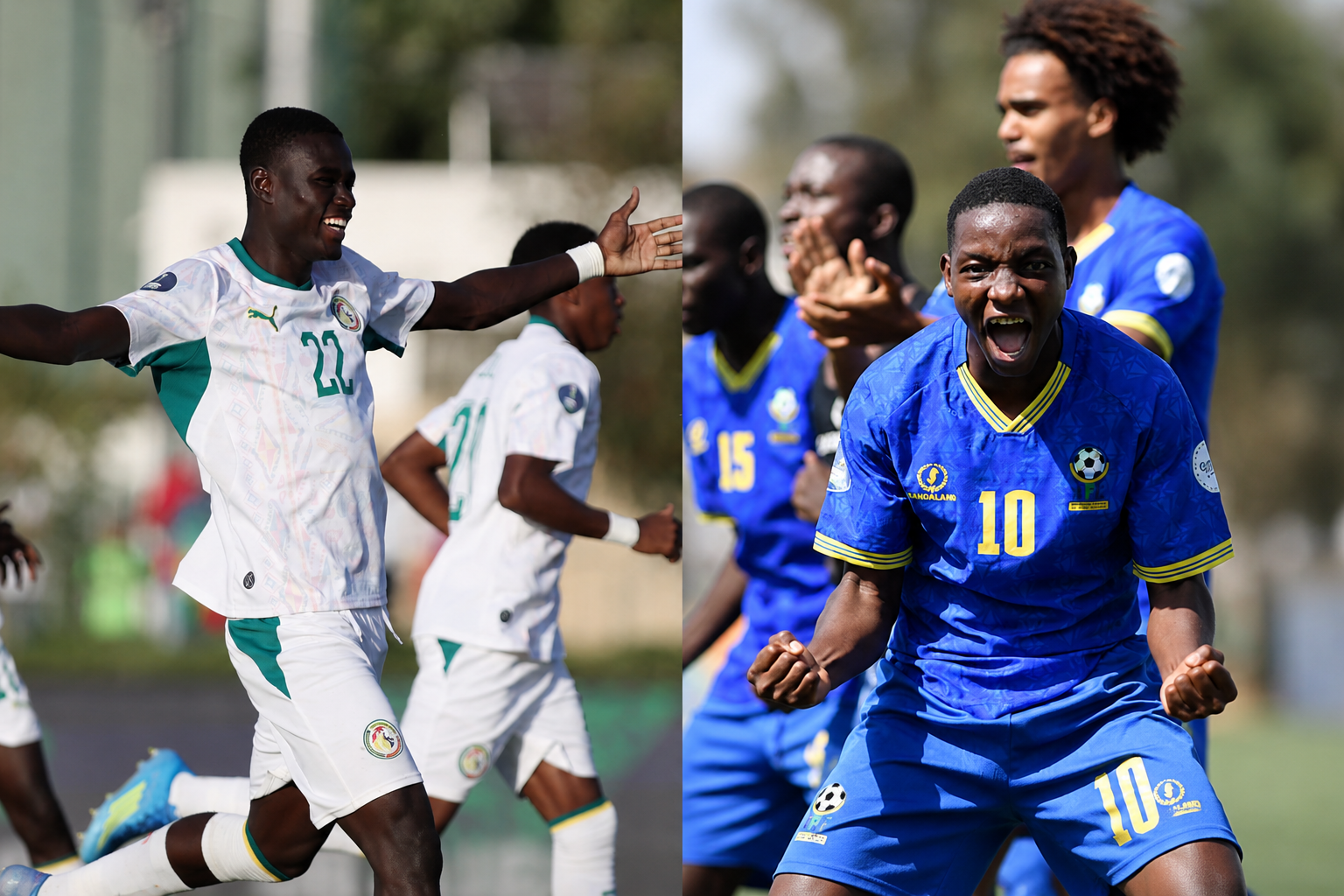
Tanzania and Senegal will meet in the final of the TotalEnergies CAF Under-17 Africa Cup of Nations, Morocco 2026, in a contest that brings together two of the tournament’s most compelling stories and two contrasting football identities.
The final will be played on Tuesday, 2 June, at the Moulay El Hassan Stadium in Rabat, where Senegal will look to underline their growing reputation as one of Africa’s strongest youth football nations, while Tanzania will attempt to complete one of the most historic runs in the competition’s recent history.
It is a final shaped by contrast.
Senegal arrive with power, pace, physical strength and the experience of handling major knockout pressure.
Tanzania enter with discipline, organisation, resilience and the belief that has carried them to their first final at this level.
Both teams have had to survive penalty shootouts to reach the title match, and both have shown the mental strength required to win difficult games when the pressure has been at its highest.
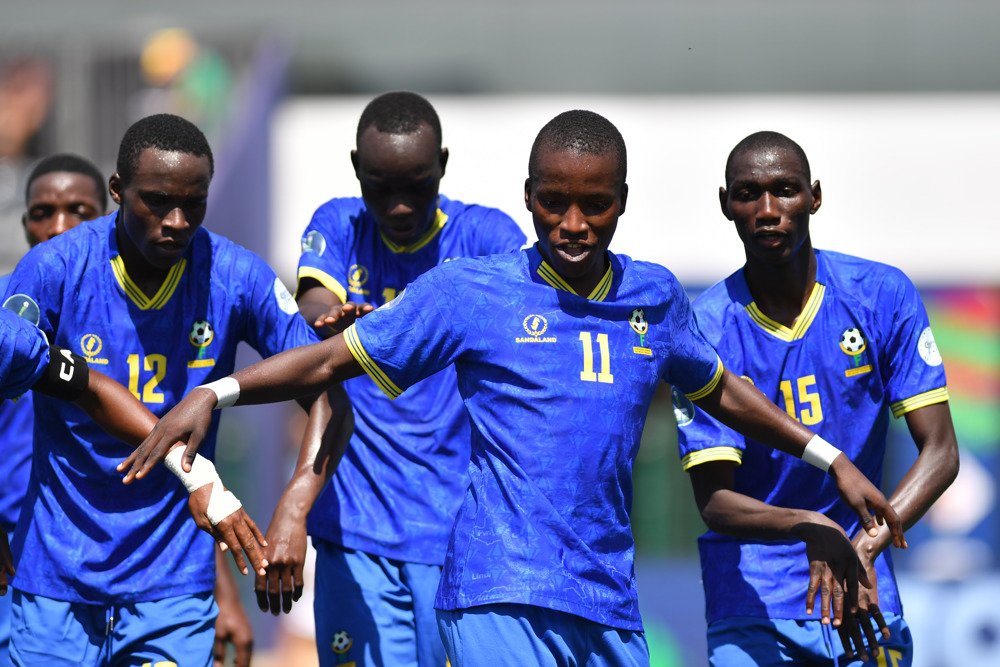
Senegal’s path to the final has again confirmed the depth of talent in the country’s youth football system.
The Young Lions of Teranga were pushed hard in the knockout rounds, first overcoming Mali in the quarter-finals on penalties after a tense West African battle.
They then produced another dramatic shootout victory in the semi-finals, eliminating hosts Morocco after a 1-1 draw in Rabat.
Goalkeeper Assane Sarr was central to Senegal’s progress, delivering one of the standout individual performances of the tournament and confirming his status as one of the key players to watch in the final.
His saves, composure and leadership have given Senegal confidence in decisive moments, especially in matches where the margins have been extremely small.
Tanzania’s journey has been even more historic.
The Serengeti Boys have reached the final for the first time, giving Tanzanian and East African football one of its proudest moments at continental youth level.
Their quarter-final victory over Algeria came after a thrilling 3-3 draw, with Tanzania holding their nerve to win on penalties.
They then defeated Egypt in the semi-finals, again on penalties, after a goalless draw in which they showed defensive maturity and patience.
Those two knockout victories have defined Tanzania’s campaign.
They have not always dominated possession, but they have shown they can suffer, stay compact, defend with concentration and still find a way to progress.
That mental strength will be tested again against Senegal.
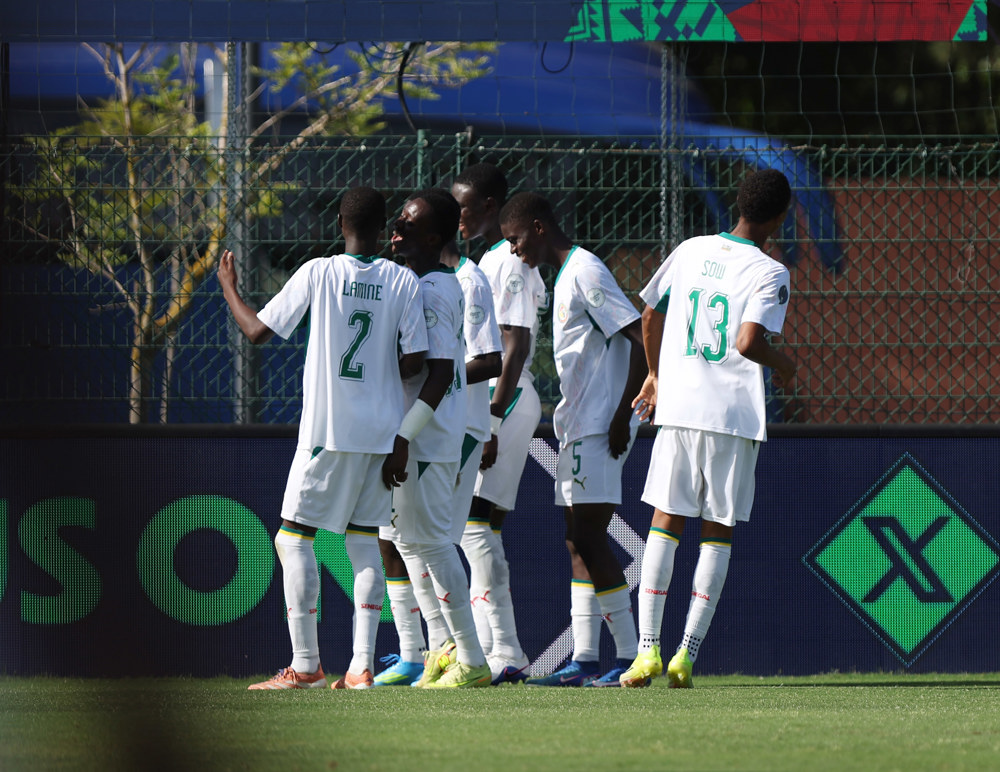
Tactically, the final is likely to be a contest between Tanzania’s structure and Senegal’s intensity.
Tanzania have built their success on a cohesive team system, good positioning and defensive discipline.
They are comfortable without the ball and have shown an ability to remain balanced even when opponents dominate possession.
Their approach depends on collective movement, patience and quick transitions from defence to attack.
When they win the ball, Tanzania try to move forward quickly, using the mobility of their midfielders and the alertness of their forwards to exploit spaces before opponents can recover.
That ability to turn defensive situations into attacking moments has been one of the reasons they have reached the final.
They have also shown that they can make the most of limited opportunities.
At this level, where finals are often decided by a single mistake, one set piece or one moment of individual quality, that efficiency could be crucial.
Senegal, by contrast, are expected to play with greater directness and physical authority.
The Young Lions have power across the pitch, speed in wide areas and players capable of winning duels in midfield and attack.
Their pressing game is designed to force mistakes, recover the ball quickly and put opponents under immediate pressure.
If Senegal succeed in imposing that rhythm early, Tanzania may be forced to defend deep for long periods.
Senegal’s wide play could also become one of the key areas of the final.
Their pace on the flanks allows them to stretch defensive lines, create crossing opportunities and attack spaces behind full-backs.
They are also strong in aerial duels and physical contests, which gives them another route to goal in tight matches.
That means Tanzania’s defensive discipline will have to be exceptional.
The Serengeti Boys must limit space behind their defence, prevent Senegal’s wide players from building momentum and avoid unnecessary fouls in dangerous areas.
Their midfielders will also need to support the back line, especially when Senegal attempt to overload the flanks or press high.
But Tanzania will not only be thinking about containment.
If Senegal commit too many players forward, Tanzania’s counter-attacking game could become dangerous.
The East Africans have shown they can break quickly and exploit gaps, especially when opponents lose concentration after long spells of possession.
That could make the final a tactical test of patience for both teams.
Senegal will want to impose themselves without becoming careless.
Tanzania will want to stay compact without becoming too passive.
The team that finds the right balance may take control of the match.
Beyond tactics, the final will also be about emotion and maturity.
Senegal have the experience of a country used to competing strongly in continental football, but expectation can bring its own pressure.
Tanzania, meanwhile, are carrying the hopes of a nation and a region after achieving something rare for East African football.
Their players must manage the occasion while remaining faithful to the discipline that brought them this far.
The match appears wide open because both teams have already shown they can handle adversity.
Senegal have survived difficult knockout moments through strength, belief and the brilliance of Sarr.
Tanzania have shown courage, calmness and collective commitment in two penalty shootout victories.
That is why the final may not be decided by possession, reputation or past achievements.
It may come down to the small details: a save, a transition, a defensive decision, a set piece or a moment of brilliance from one of the young players looking to announce himself on the continental stage.
Tanzania’s discipline against Senegal’s power and speed gives the final a clear tactical identity.
But more than that, it gives the tournament a fitting conclusion.
This is a meeting between two promising generations, two football cultures and two teams trying to write their names into the history of the TotalEnergies CAF Under-17 Africa Cup of Nations, Morocco 2026.