















Three tactical battles that could decide Tanzania v Senegal U-17 AFCON final
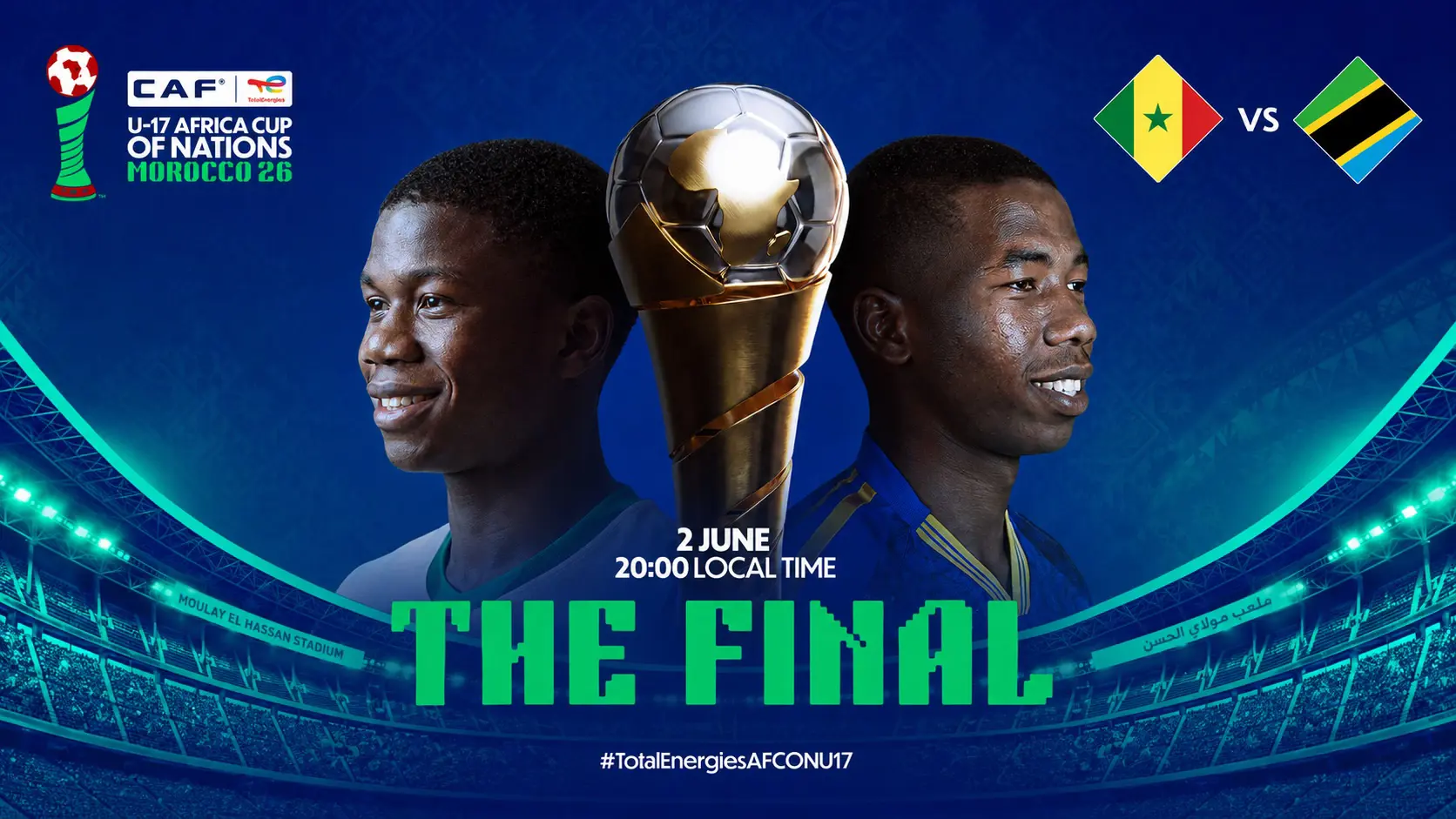
Tanzania and Senegal will meet in the final of the TotalEnergies CAF Under-17 Africa Cup of Nations, Morocco 2026, in a contest that could be decided by small tactical details rather than long periods of dominance.
The final brings together two teams who have reached the title match through discipline, resilience and strong performances under pressure.
Tanzania have become one of the stories of the tournament after reaching their first final at this level, while Senegal have again underlined their status as one of Africa’s leading producers of young football talent.
Both sides have shown enough quality in Morocco to believe they can win the continental title, but Tuesday’s final is likely to depend on three key areas: the goalkeepers, the midfield battle and how both teams manage wide areas and direct attacks.
At youth level, finals are often decided not only by tactical plans but also by concentration, courage and the ability to deal with pressure at decisive moments.
That makes this final particularly difficult to predict.
Tanzania have grown stronger as the tournament has progressed, eliminating more fancied opponents and showing a capacity to survive difficult moments.
Their penalty shootout victories over Algeria and Egypt showed a team with strong mentality, defensive organisation and belief in their method.
Senegal, meanwhile, have had to show similar character.
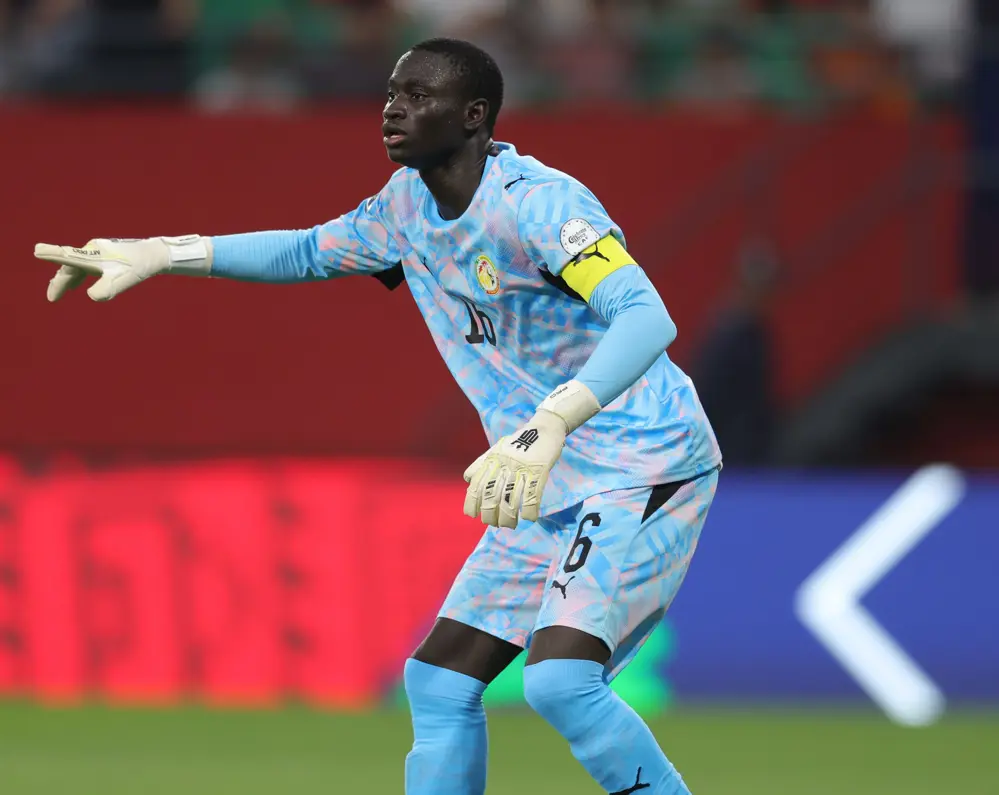
The Young Lions of Teranga survived knockout pressure against Mali and then eliminated hosts Morocco in a dramatic semi-final shootout, with goalkeeper Assane Sarr emerging as one of the decisive figures of their campaign.
The first major tactical battle in the final could therefore come between the two goalkeepers.
Senegal will look again to Sarr, whose reflexes, presence and penalty-saving ability have made him one of the standout players of the tournament.
He has shown composure in one-on-one situations and has already proved that he can handle pressure in the most demanding moments.
For Tanzania, Haji Abdullahi has also produced important performances, particularly when the Serengeti Boys have been placed under pressure.
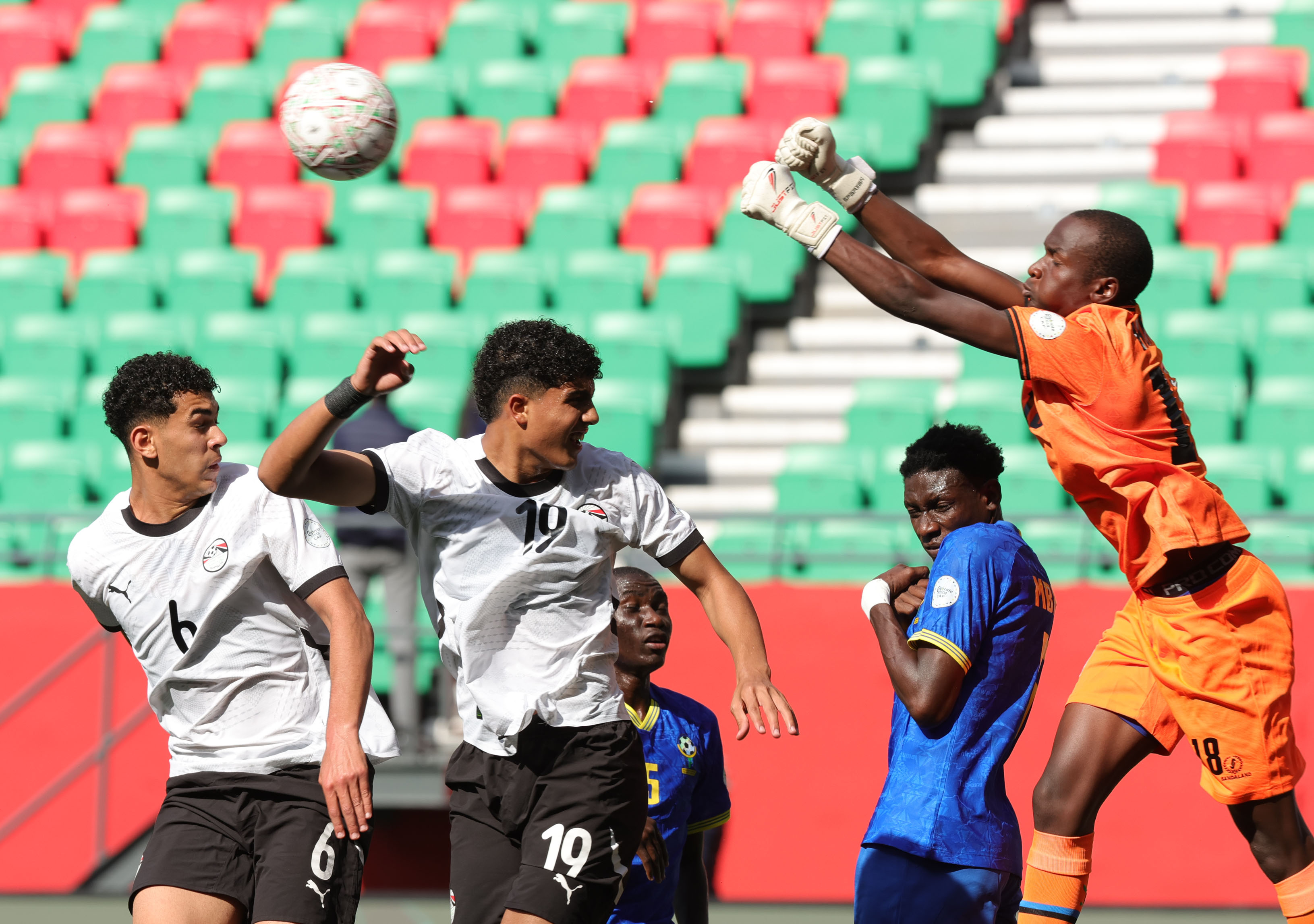
His save from Daniel Tamer in the semi-final against Egypt helped keep Tanzania level before they went on to win on penalties.
In a final where chances may be limited, the reliability of the two goalkeepers could become decisive.
One mistake, one save or one moment of hesitation could determine where the trophy goes.
The second battle will be in midfield, where the rhythm of the match is likely to be controlled.
Senegal have often relied on physical strength, intensity and aggressive pressing to win possession quickly and disrupt the opposition’s build-up.
Their midfielders are expected to try to impose tempo, force turnovers and allow their forwards to attack before Tanzania are properly set.
Tanzania, however, have shown that they can cope with pressure by staying compact, building carefully and using quick vertical passes to break through the lines.
They have not reached the final through luck. They have done so by understanding when to defend, when to slow the match down and when to attack quickly.
If Tanzania can bypass Senegal’s press, they may find space behind the midfield and create opportunities for their attacking players.
If Senegal dominate that central area, Tanzania may be forced to defend for long periods.
That is why the midfield contest could become the most important part of the match.
It will decide which team plays on its own terms and which team is forced to react.
The third key battle will come in the wide areas.
Senegal are dangerous when they attack down the flanks, using pace, power and direct running to stretch opponents.
Their wide players can force defenders backwards, create crossing opportunities and open spaces inside the penalty area.
Against Tanzania, that could be a major weapon.
The Serengeti Boys will need to remain disciplined, especially when Senegal try to play balls behind the defence or isolate full-backs in one-on-one situations.
Tanzania have shown throughout the tournament that they can defend in numbers and then break quickly on the counter-attack.
But against a side with Senegal’s physical qualities and speed, they cannot afford to leave large spaces in wide areas.
Their defensive line will need protection from midfield, while their wide players must also work hard without the ball.
At the same time, Tanzania may look to use those same wide areas when they win possession.
If Senegal push too many players forward, Tanzania’s quick transitions could become dangerous.
That makes the flanks a double-edged area for both teams: a source of attacking threat, but also a possible weakness if possession is lost.
Beyond the three tactical battles, the final will also test the emotional maturity of both sets of players.
Tanzania are carrying the hopes of a nation and a region after making history for East African football.
Senegal are chasing another major youth football success and will be expected to perform with the confidence of a team used to competing at this level.
The balance between ambition and patience may therefore be crucial.
A fast start could help either side settle, but an early mistake could also change the direction of the final.
For Tanzania, the key will be discipline, calmness and using the confidence gained from their knockout victories.
For Senegal, the challenge will be to impose their physical and tactical identity without becoming impatient.
The final may not be decided by which team has more possession.
It may be decided by who manages the pressure better, who wins the key duels and who takes advantage of the small details.
Goalkeepers, midfield control and wide play are likely to shape the contest.
But in a final between two promising generations, mentality may be the biggest battle of all.
Tanzania v Senegal is more than a title decider. It is a meeting of two teams trying to leave a mark on African youth football history at the TotalEnergies CAF U-17 Africa Cup of Nations, Morocco 2026.