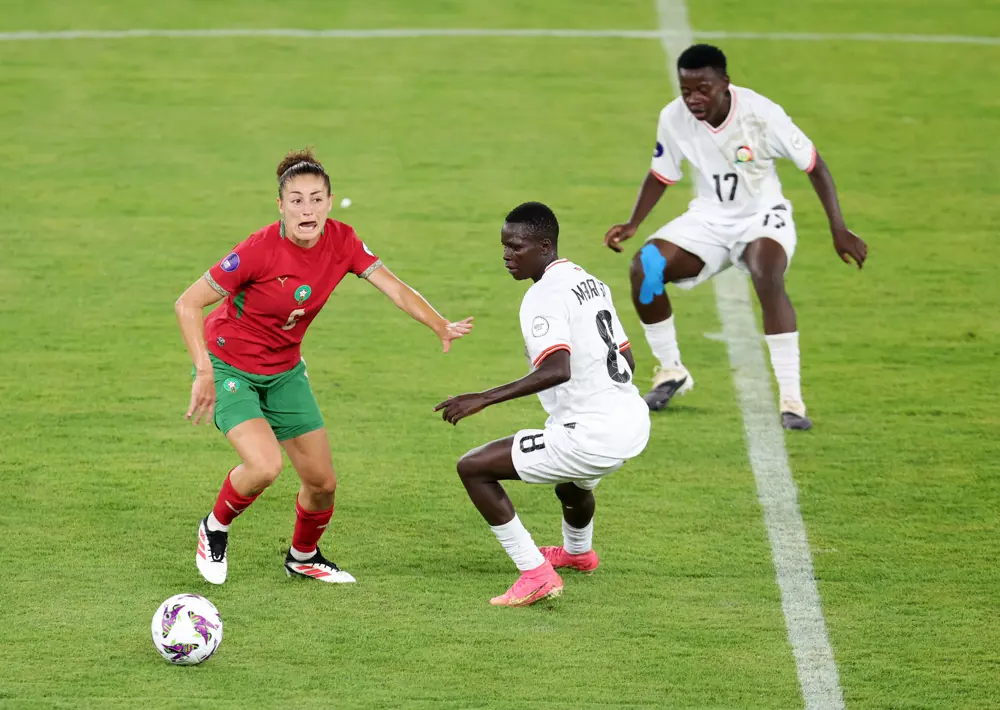









“Morocco drawing inspiration from 2022 final” – Nakkach
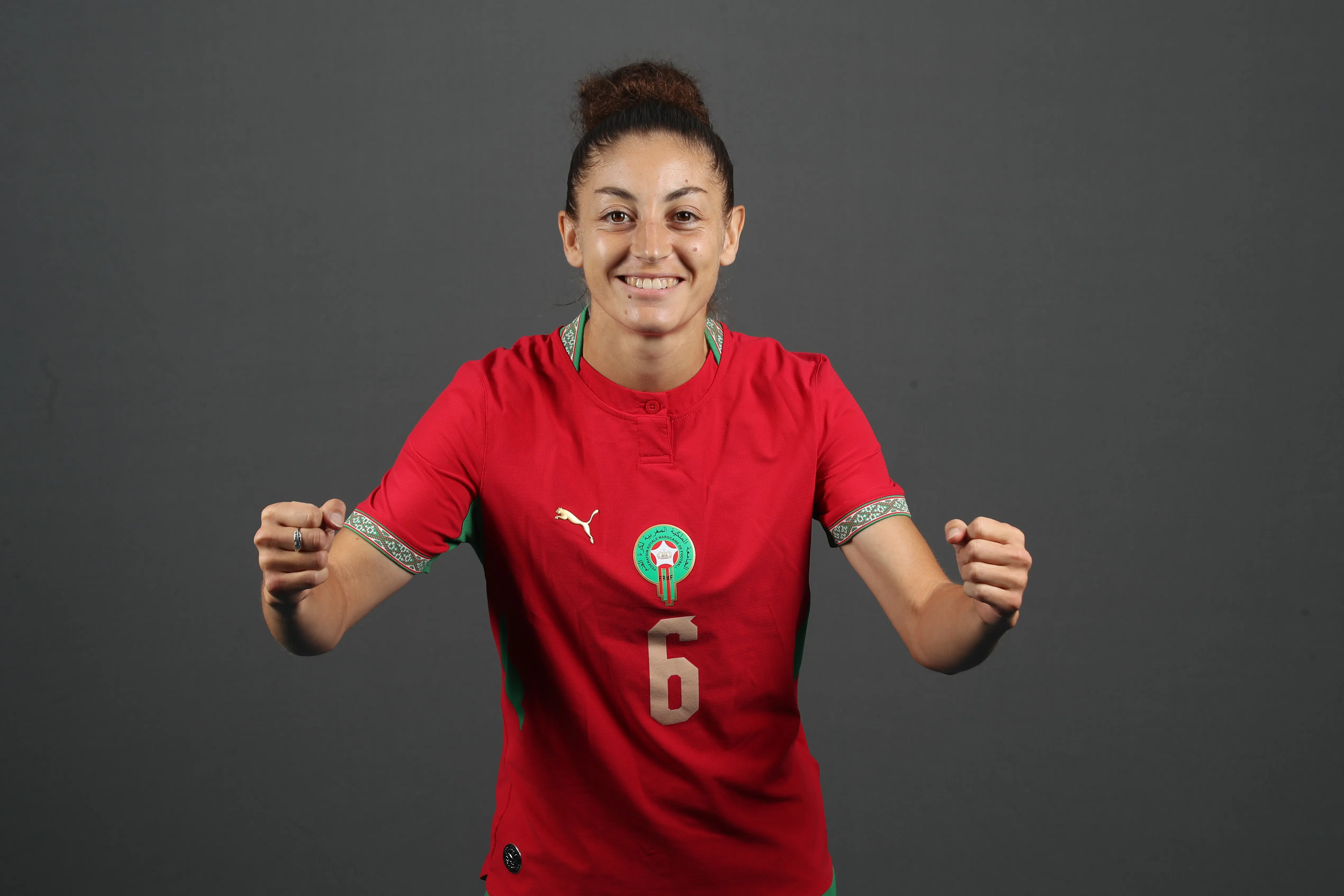
It has been four years but the memories are still fresh.
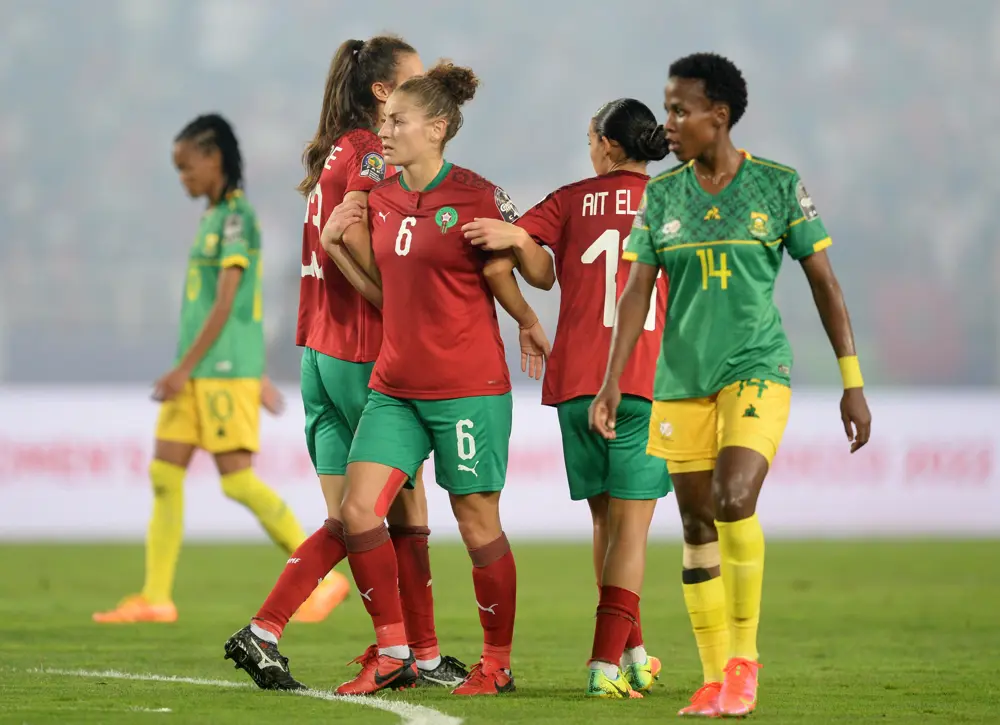
Élodie Nakkach was there on July 23, 2022, when Morocco lost to South Africa 1-2 in the final of the Women’s Africa Cup of Nations at the Prince Moulay Abdellah Stadium in Rabat.
On Saturday, the defensive midfielder will face Banyana Banyana again, this time in the quarterfinals. With the same objective, but a team that has grown since then.
“We lost the match,” she says simply when asked what comes to mind.
Then the memories come flooding back. That final represented a series of firsts for a generation discovering the highest continental level. “It was our first WAFCON with those girls, our first World Cup qualification, our first WAFCON final. It was truly a first for everything.”
A first painful but constructive experience.
That night, Morocco discovered the weight of a final, the pressure of a historic occasion and the frustration of coming so close yet so far to the title. “We’ve gained a lot of experience since that match,” Nakkach emphasizes.
The bitterness, however, has not completely disappeared.
“Of course, losing a match, especially a final, is a bitter pill to swallow.” But four years later, the 31-year-old Swiss-based midfielder prefers to look at that memory differently. “Now, we use it more as a learning experience to move forward.”
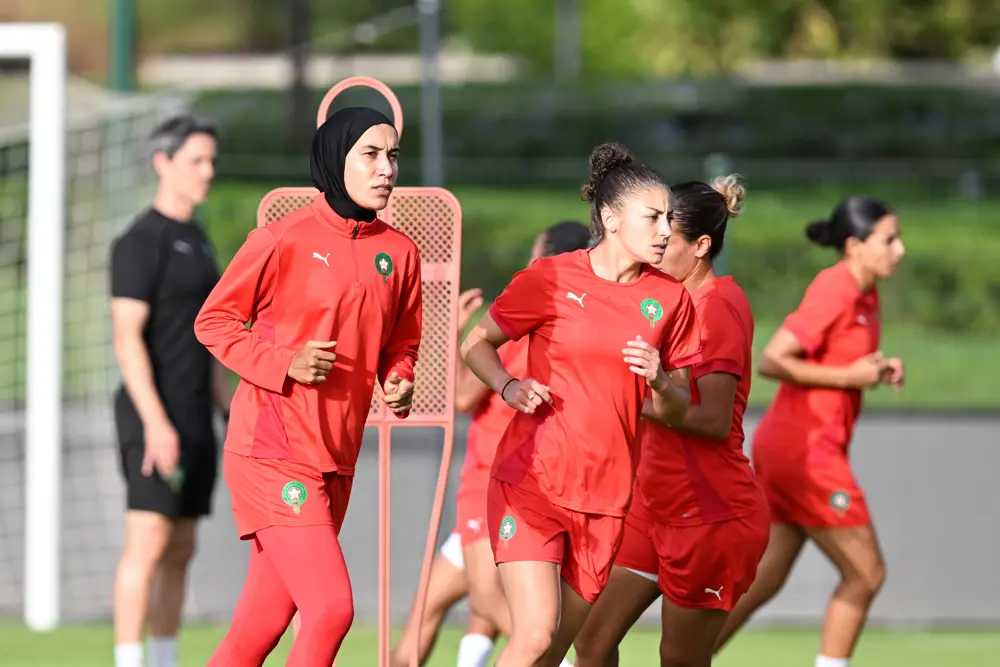
Avoiding repeating the same mistakes
The context has changed. Morocco have since played in another final [the WAFCON 2024 played in 2025] and also participated in their first World Cup, in 2023. The national team has also gained experience and become more demanding. For the players who have lived through these major events, this memory can become a weapon.
“When you know the mistakes you’ve made, you don’t want to repeat them and you want to win the match at all costs.” On Saturday, however, it will not be a final, but a quarterfinal that already has the feel of a rematch. South Africa, the 2022 African champions, once again stand in the way of the Moroccans. It is a team that Nakkach and her teammates now know better, but one they will have to beat over 90 minutes, or even longer.
And to do this, Morocco can rely on an improvement that has been evident since the start of this tournament - their defensive solidity.
“We are more solid defensively,” she says. The Atlas Lionesses finished the group stages without conceding a single goal. A performance that, according to their defensive midfielder, reflects the work done since recent competitions.
“We corrected the small flaws we had defensively,” she explains. “It’s true that we’re more solid defensively; we’re not conceding. That’s something we were lacking, especially in the last WAFCON.”
In a knockout match, this ability to keep a clean sheet can be the deciding factor. Nakkach is convinced of this. “If we want to go far, it’s more important not to concede before we score, because it can be difficult to score more goals than we concede.”
The reasoning is simple - solidity first, everything else second. “I think it’s a very big positive in our progress,” she summarizes.
A voice for the younger generation
At 31, Nakkach also takes on another role - that of a mentor. Over the years, the defensive midfielder has become one of the most experienced players in the squad. This experience gives her a particular responsibility towards the younger players, many of whom are discovering, in turn, the pressure and demands of a major competition held on home soil.
Her message, however, can be summed up in a few words – do not let the pressure get to them.
“To support them, to help them,” she explains when asked about her role. “To make sure they don't feel any extra pressure because we're here first and foremost to represent the country."
The pressure is there, of course. But Nakkach wants to emphasize the essential point. “It can be daunting, but we're here to play football. Football is a game, it's about having fun."
She also stresses the need to think about what comes next. "We're enjoying this together, we're not here to feel pressured. And above all, they need to keep improving, to stay focused and committed, because it's the next generation that will take over."
“We have to give 200%”.
On the eve of the match, Nakkach has no intention of dwelling on the anticipation or getting caught up in the surroundings. One day before kickoff, her focus is already on the pitch.
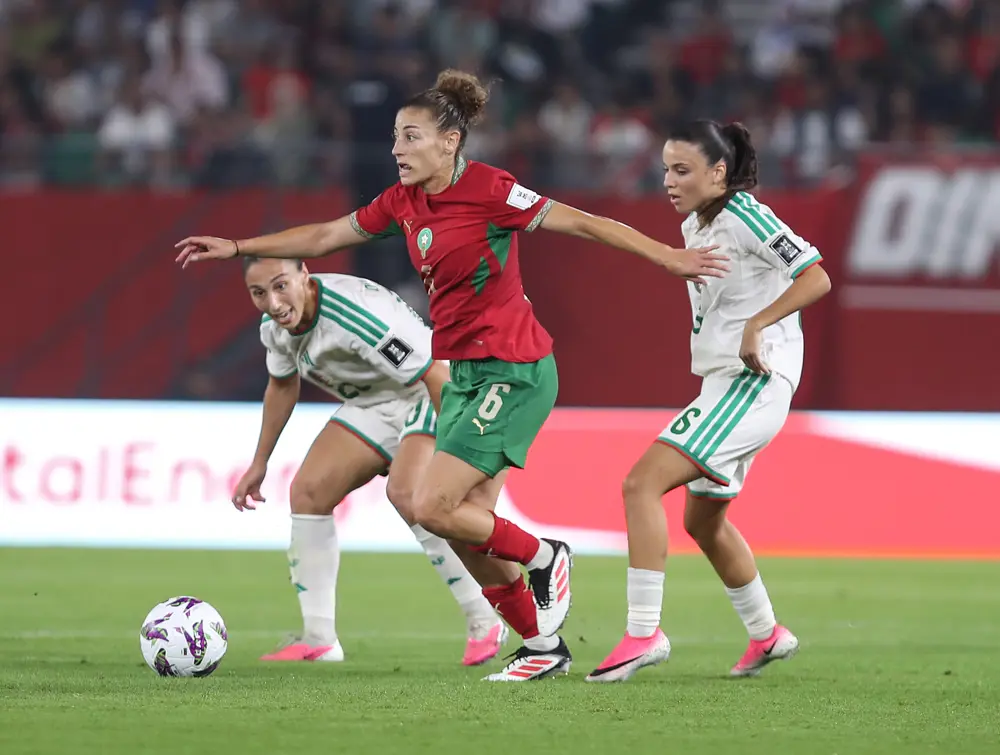
“I don’t dwell on expectations. The objective is clear, we know what we want. The game plan is clear too.” There’s no room for hesitation. Nor for a timid start. “We know it’s a knockout match. We have to give 200%.”
No room for hesitation nor for a timid start to the match. “We know it’s a knockout match. You have to get into it 200%. You have to be focused from the start.”
Morocco know what they have to do - beat South Africa to return to the semifinals, but also overcome an obstacle full of memories.
In 2022, Nakkach reached the final. In 2026, she finds the opponent who then blocked her path to the title. Between the two encounters, the past four years have been of learning, two finals, a World Cup and a team that have become more experienced.
Going back memory lane, if she could meet the player she was in 2022, what advice would she give her? She smiles, hesitates. “That is complicated, right?”
Then the answer comes, simple and ultimately very fair: “Take advantage of the moment, because we don’t necessarily know when we will play a final again.”
On Saturday, Nakkach will have a new opportunity to measure the progress made. And this time, the memory of 2022 should not weigh heavily. She will have to serve.