










Sir Mohamed Mansour: “I am optimistic about the future of African football and deeply impressed by CAF’s development vision.”
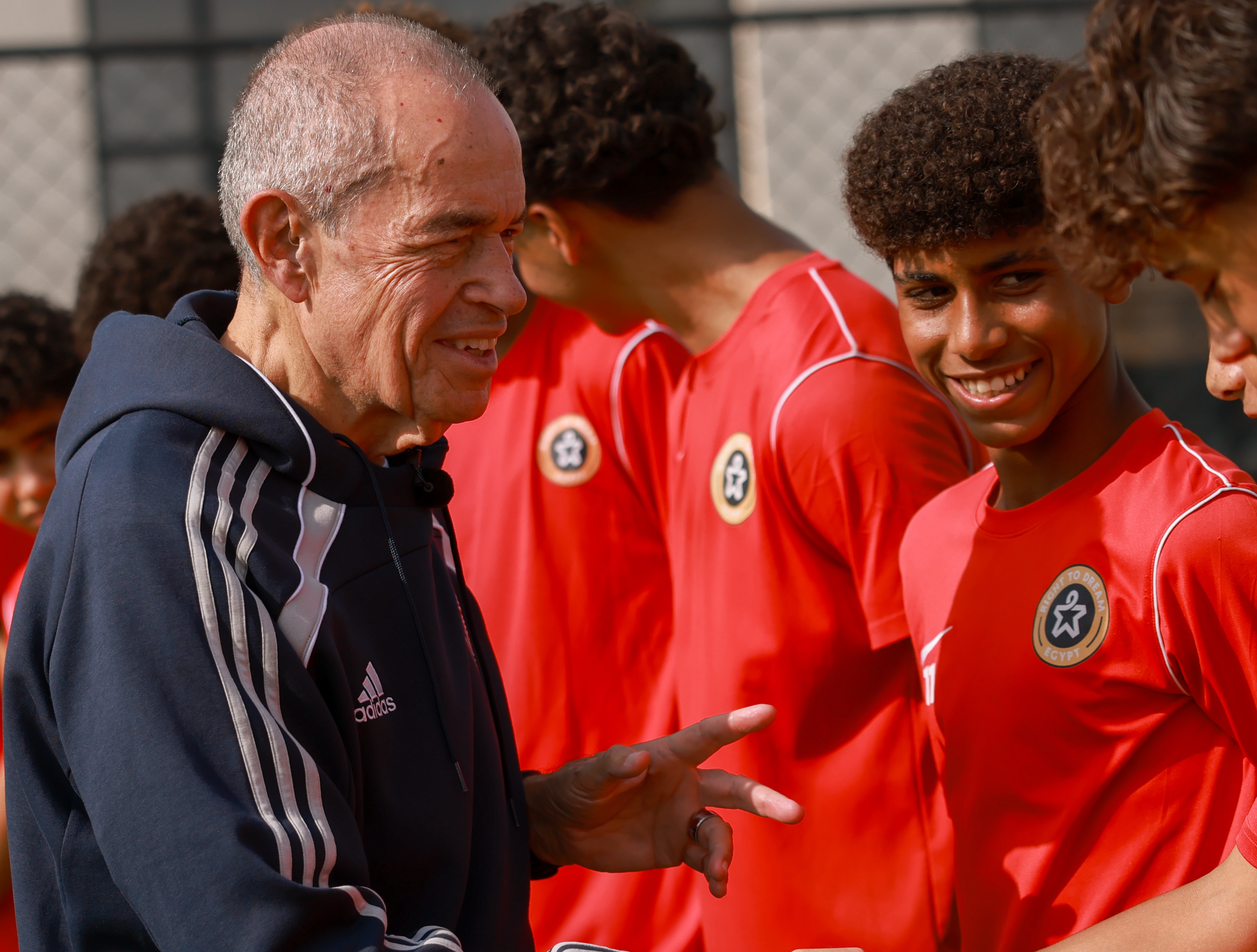
In a rapidly evolving sports landscape shaped by new investment models and global ambitions, the name of Sir Mohamed Mansour has emerged as one of the leading figures choosing to invest in African youth and their dreams.
Guided by a vision rooted in human development rather than profit, he has succeeded in connecting his passion for football with his belief that empowering the next generation is the most effective path to building the future of the African continent. His partnership with the Right to Dream Academy has become the gateway to realising this mission.
From Ghana to Egypt, Denmark to the United States, Sir Mohamed Mansour has built a network of integrated football projects designed to identify and nurture talent according to the highest international standards. His commitment has extended beyond men’s football and youth categories — he has opened new horizons for women’s football as well, establishing Egypt’s first fully professional women’s team and shaping a new chapter in the African and global women’s game through FC Masar.
In this exclusive interview with CAFonline.com, Sir Mohamed Mansour speaks candidly about his philosophy of sports investment, his hopes for the future of African football, and his admiration for CAF’s commitment to the development of the game across the continent.
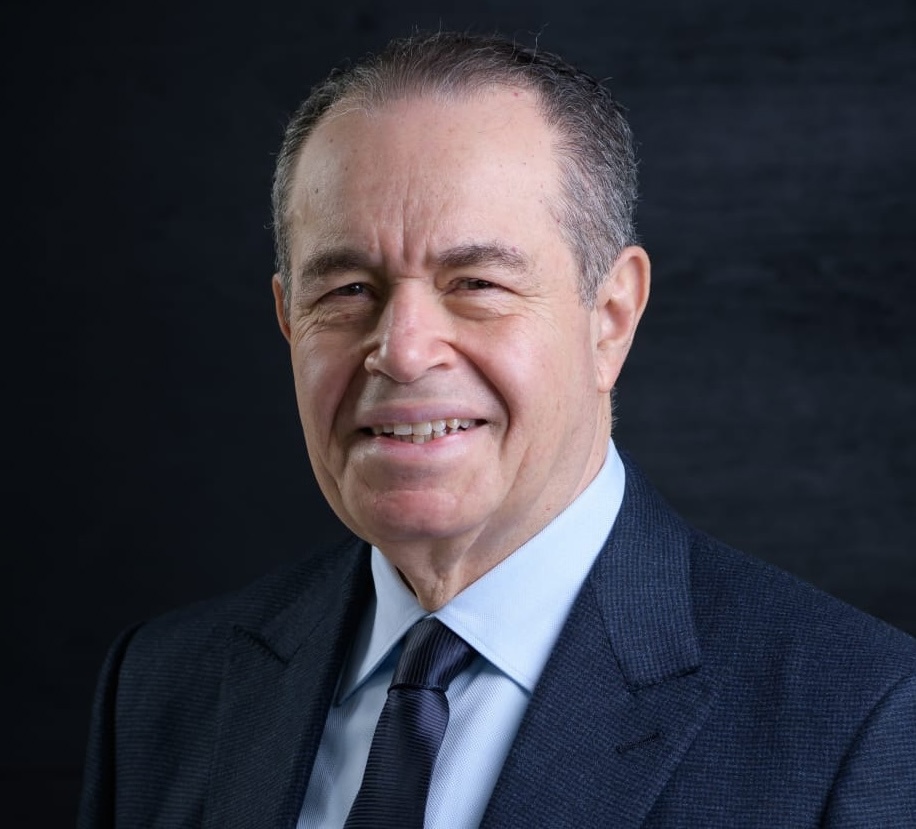
CAFonline.com: Sir Mohamed, you are considered one of the major investors in African football, especially through the Right to Dream Academies in Ghana and Egypt. What drove you to focus on youth-cantered investment?
Sir Mohamed Mansour: My primary focus has always been on young people — supporting them, not profit. That’s why I was immediately drawn to an academy with such a powerful name: Right to Dream. I truly believe that every young person has the right to dream, and it is our responsibility to help them achieve that dream. Our aim is not only to discover talent but also to create a professional environment that allows them to grow, develop their skills and build their future with confidence.
You currently have a boarding school, a women’s football team and a men’s team under Right to Dream in Egypt. Why such strong commitment to women’s football?
Women’s football is an essential part of Right to Dream’s philosophy. From day one in Egypt, everything related to the men’s programme was successful and distinct — but our goal was always equality between men and women.
We succeeded in establishing the first fully professional women’s football team in Egypt, setting a benchmark for both Egypt and Africa. This also encourages greater investment in the women’s game. In our very first season, we won the Egypt Cup. In our second season, we won the league and cup double and secured the bronze medal at the CAF Women’s Champions League — in our debut appearance. We are proud to have achieved so much in such a short time.
FC Masar is excelling domestically in women’s football and is now shining at continental level. How did the club rise so quickly?
As I mentioned, we are deeply committed to the women’s game. We have all the ingredients for success — talented staff, strong infrastructure and world-class facilities. We represent Egypt, a major nation, and our ambitions go far beyond national borders.
We are proud that our goalkeeper, Habiba Sabry, has been nominated for FIFA’s The Best Women’s World XI — the first Egyptian player from the domestic league to reach such global recognition. This is historic, and I am confident we will continue to see major achievements for women’s football in Egypt.
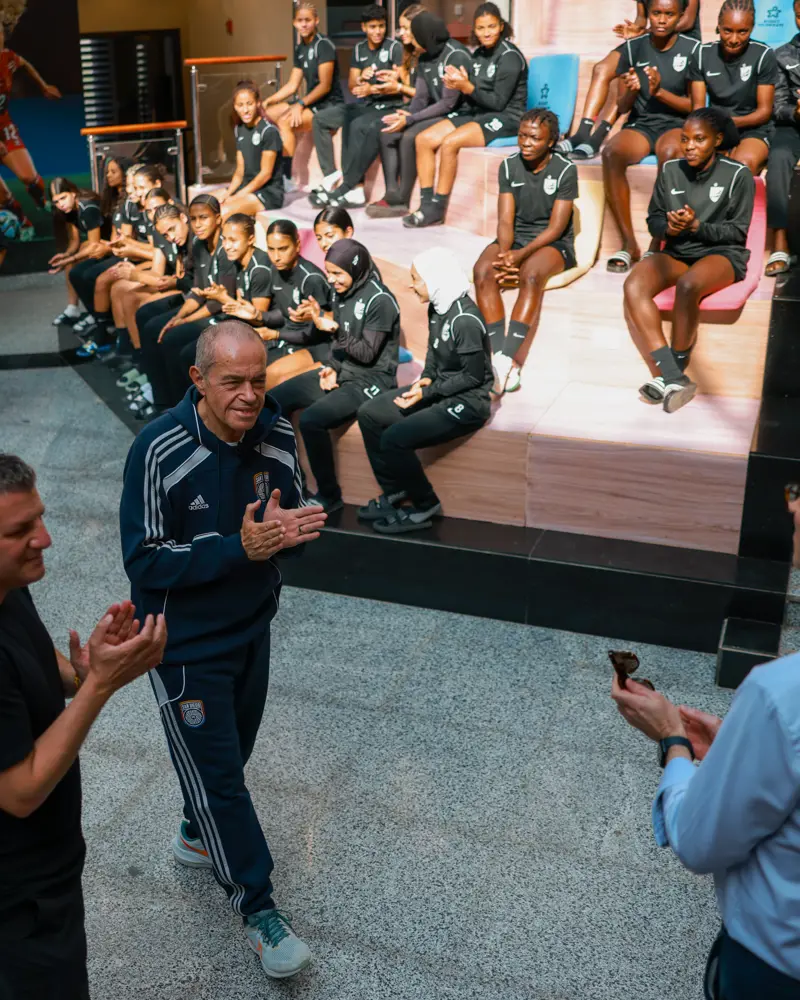
What are your future plans for FC Masar and for Egyptian and African football in general?
Our motto is Right to Dream, and we dream of becoming a shining landmark in Egyptian and African football. We have a comprehensive development plan that begins at the junior and youth levels — not only in sports, but also culturally, intellectually and medically, to ensure holistic growth.
Through Right to Dream academies in Africa, Europe and North America, we have already produced top talents like Mohammed Kudus, star of Ghana and Tottenham Hotspur.
In Denmark, FC Nordsjaelland had an excellent season and participated in European women’s competitions for the first time. All of this reinforces our belief that investing in youth is the right path for achieving our dreams and contributing to the progress of Egyptian and African football.
How do you evaluate the progress of women’s football in Africa in recent years, especially with the launch of CAF Women’s Champions League?
CAF’s efforts in women’s football have been remarkable. The introduction of new competitions, expansion of participation and enforcement of professional standards — such as requiring clubs to establish women’s teams — are all crucial steps.
We have benefited greatly from these competitions. We participated for the first time in the CAF Women’s Champions League and are hosting this year’s edition in Cairo.
Our ambition this year is very high: we hope to become the first Egyptian club to win the CAF Women’s Champions League and keep the title at home.
How do you see the overall development of African football in recent years?
Africa has always been a rich source of world-class football stars. But I believe the continent still has tremendous untapped potential, especially with a lack of sufficient professional training centres for boys and girls. I am very optimistic about the future. With the right environment and the proper support, African talent can achieve great success both continentally and globally.
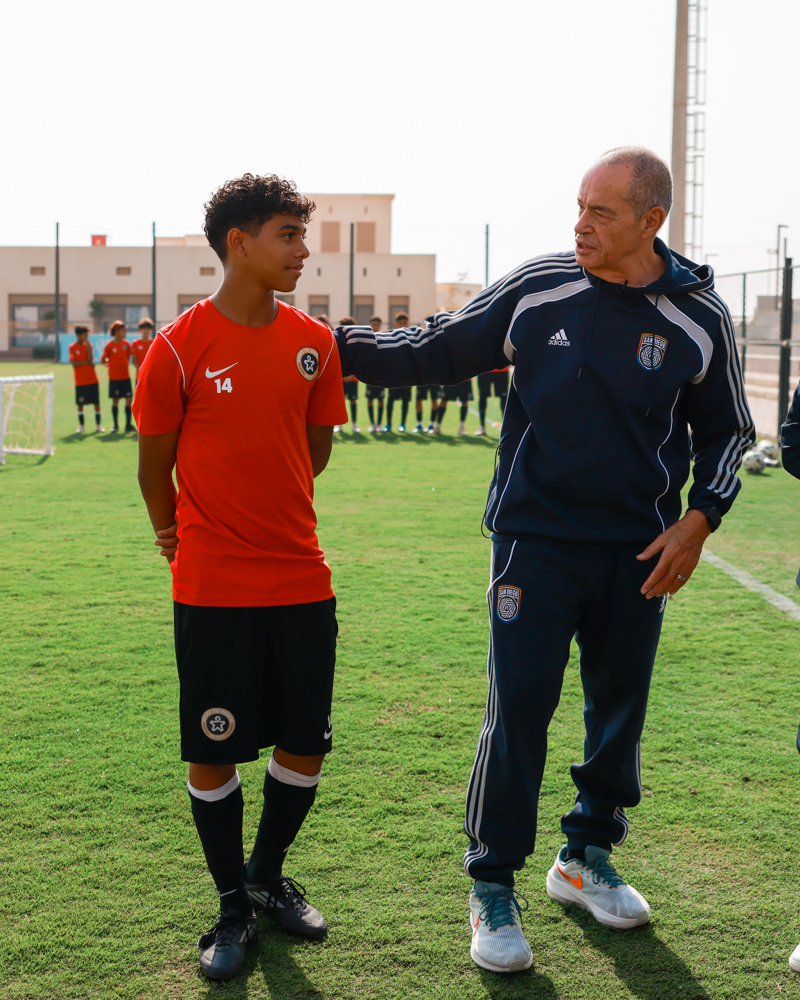
What benefits have you gained from your substantial investments in African football?
Football has always been a passion for the Mansour family. In 2021, our company Man Capital acquired the Right to Dream academy out of our belief in the importance of providing an integrated educational and sporting environment for youth in Ghana. This expanded to Egypt, Denmark and the United States, reaching young people around the world.
Your investments in FC Nordsjaelland (Denmark) and San Diego FC (USA) have opened doors for African players globally, producing stars like Mohammed Kudus and Kamaldeen Sulemana. Will this model continue?
The rise of Kudus and Sulemana is just the beginning. What we see today is the product of a long-term programme built on world-class development standards. The future will be even brighter, God willing.
In the next two years, we aim to prepare Egyptian players to join FC Nordsjaelland and San Diego FC.
Our academy currently hosts over 140 players — 35 have already represented their countries abroad. Seven academy graduates played in the 2022 FIFA World Cup in Qatar, five compete in the Premier League, and many more play in major European and American leagues.
We are proud of our partnerships with top global clubs and confident that many more African talents will soon shine on the world stage.
How do you evaluate CAF’s support for African clubs, and its strong commitment to women’s football and youth development?
As I mentioned, Africa is full of talent. I am very impressed by CAF’s development strategies and the support it provides. The recent achievement of Morocco winning the FIFA U-20 World Cup is clear proof that investing in youth pays off. Without doubt, this focus will produce more African champions in the near future.
Do you plan to expand your investments further in African football, possibly beyond Egypt?
As mentioned, we are of course currently active in North and West Africa through Egypt and Ghana. We keep this under constant review and we do have ambitions to expand further in the future.
What headline would you like to read in the newspapers after the conclusion of the CAF Women’s Champions League 2025 in Egypt?
I hope to read:
“A Historic Triumph for Egypt’s FC Masar in the Women’s Champions League.”
That would be a groundbreaking achievement for Egyptian women’s football and a tribute to the efforts of our players and staff.
A final message from Sir Mohamed Mansour?
Young people are the secret to the future. We must take care of them. All institutions — public and private — across all countries must provide the support they need.