










Morocco aim to make World Cup history again after 2022 breakthrough
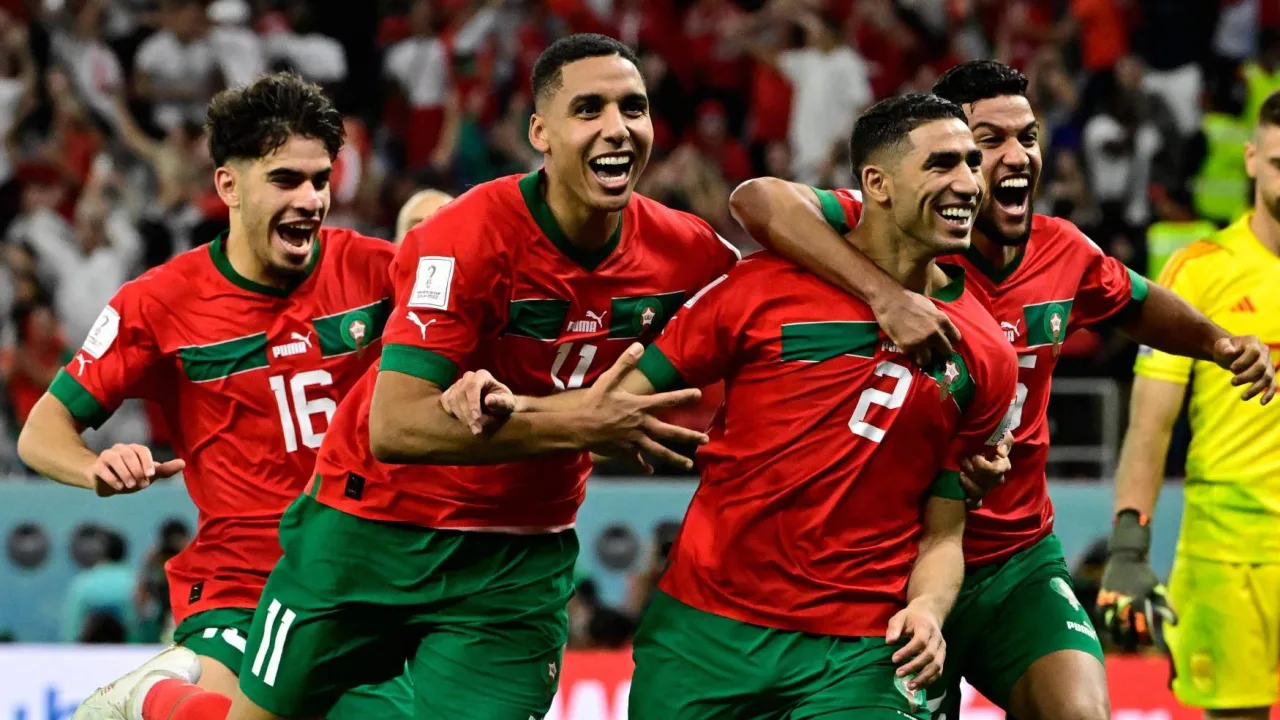
Morocco will go into the FIFA World Cup in North America carrying both expectation and belief after becoming the first African team to reach the semi-finals at Qatar 2022.
The Atlas Lions changed the history of African football four years ago, defeating some of the world’s strongest sides and proving that a team from the continent could compete deep into the tournament.
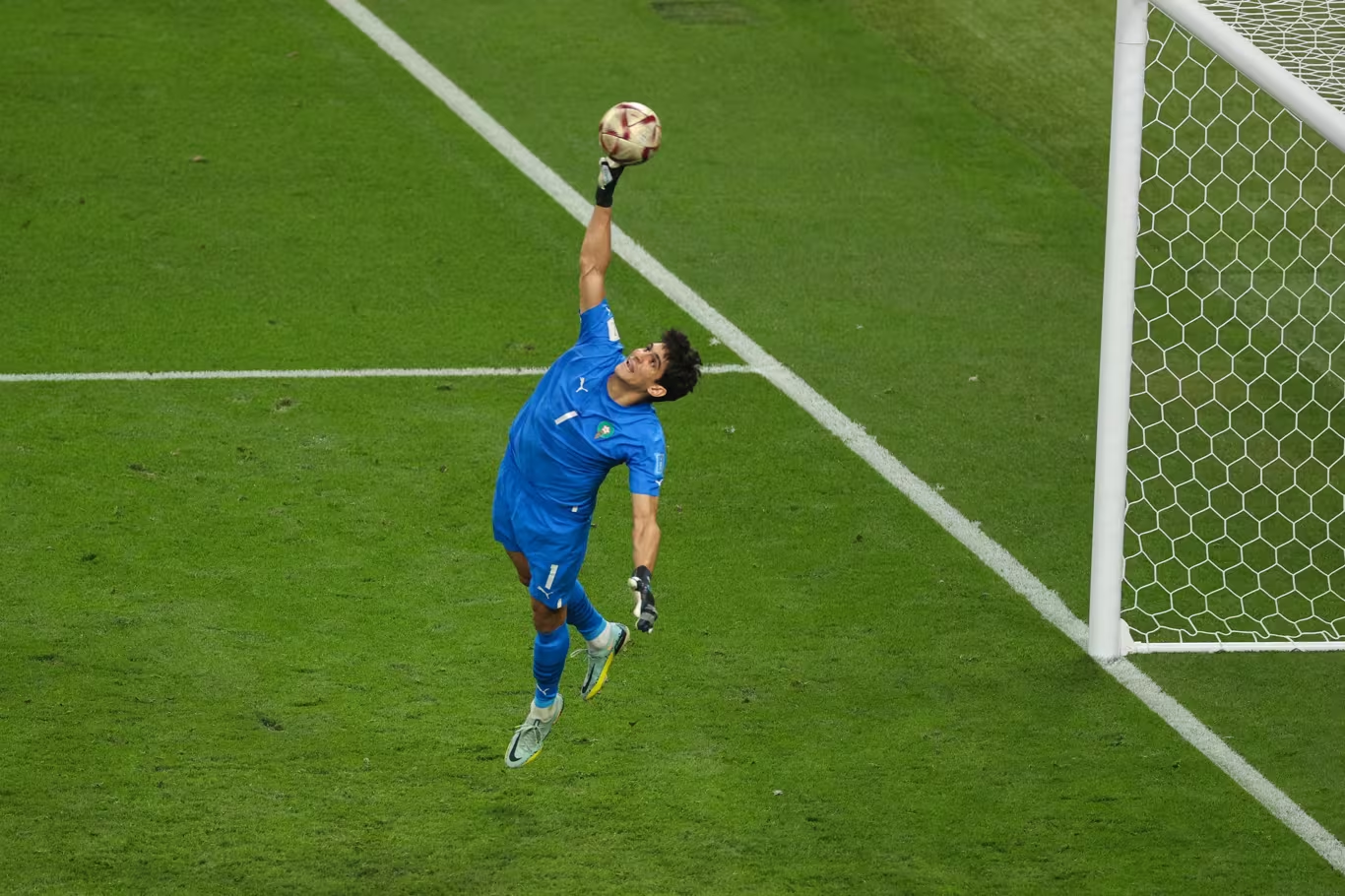
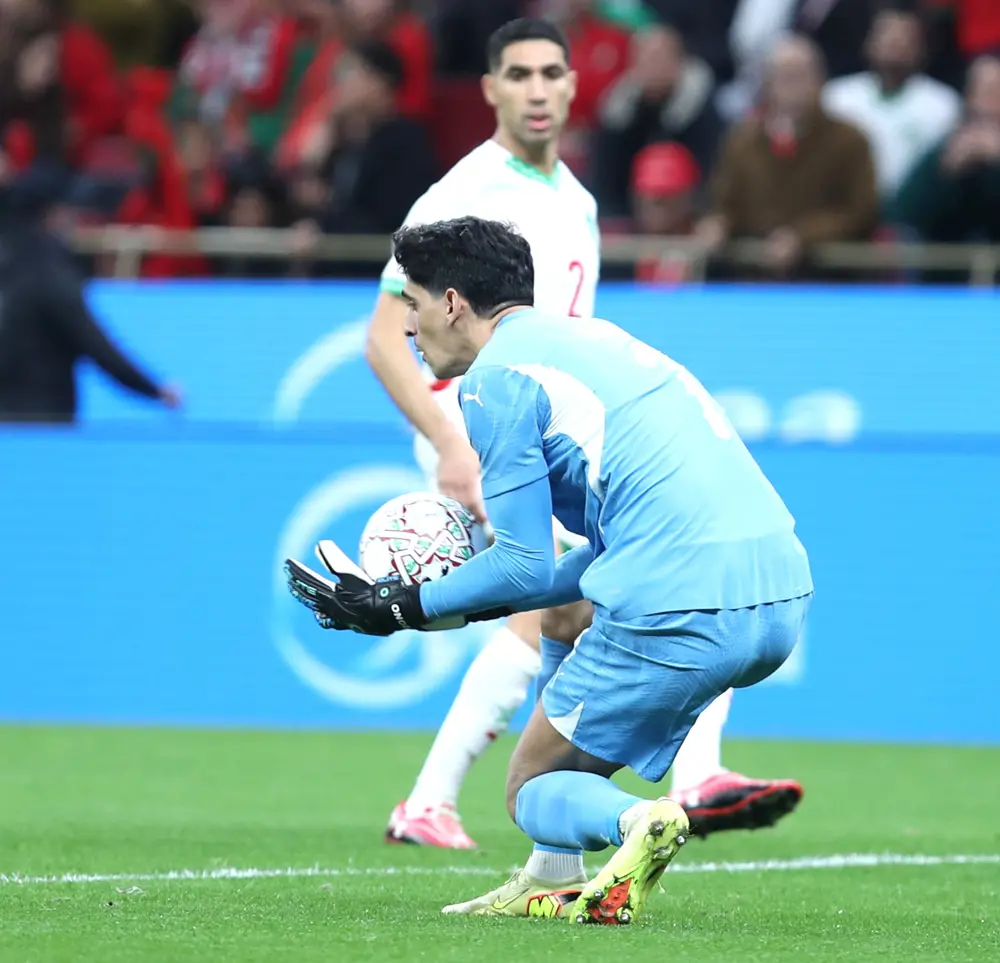
Now, with Yassine Bounou again expected to lead from goal, Morocco are preparing for another campaign in which the target is not simply to participate, but to show that Qatar was not a one-off.
Mohamed Ouahbi’s side have been drawn in Group C, where they will face Brazil, Scotland and Haiti.
Their opening match against Brazil in New York New Jersey will immediately test their ambition, but it will also give Morocco the chance to measure themselves against the most successful nation in World Cup history.
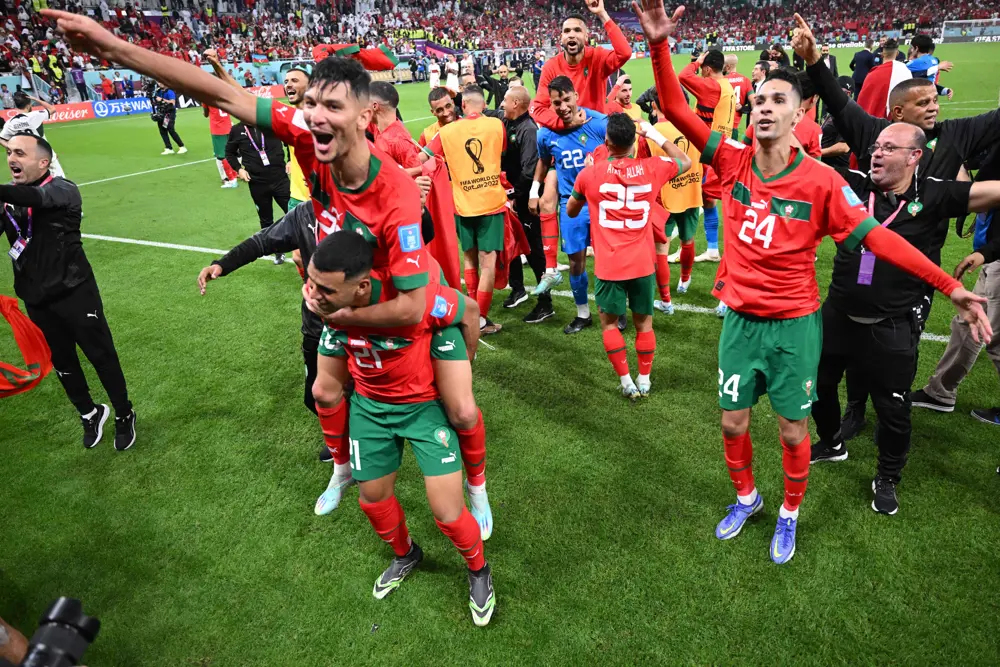
For African audiences, Morocco’s return to the tournament carries special meaning.
Their 2022 run was not only a Moroccan achievement. It became a continental moment, a campaign that gave supporters across Africa a sense that the barriers at the World Cup had been broken.
Bounou, one of the key figures in that journey, believes the foundations that took Morocco to the semi-finals remain in place.
“The quality of the players is still there,” goalkeeper Yassine Bounou told FIFA.
“The right mindset will also be there because it’s a World Cup, and every player dreams of playing in it. For some, this might be the last one. For others, it will be their first time.”
That mix of experience and fresh energy could be central to Morocco’s hopes.
In Qatar, they were admired for their discipline, defensive structure, team spirit and ability to suffer under pressure without losing belief.
This time, opponents will not underestimate them.
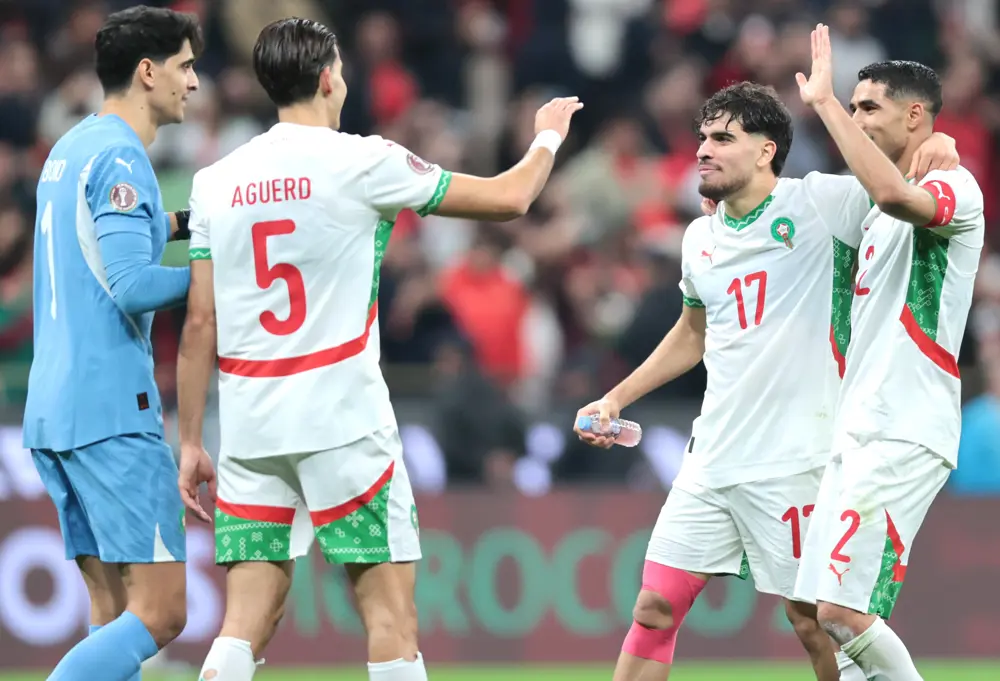
Morocco were ranked 22nd in the FIFA Ranking before the 2022 World Cup. They now sit eighth, close to the game’s elite and ahead of countries such as Belgium and Germany.
That rise has changed how the Atlas Lions are viewed.
They are no longer a dangerous outsider hoping for surprise results. They are a respected contender, and that brings a different type of pressure.
Bounou accepts that Morocco must remain realistic, even if confidence inside the squad is high.
“Let’s be honest: there are teams that are bigger favourites than us. We, for our part, have been on this path of progress since 2022, so, let’s try to carry that on. After that, there’s no telling how far we might go.”
The 35-year-old goalkeeper also believes Morocco now command a level of respect that African teams have not always felt at the World Cup.
“We feel that we’re still respected, and that must give us confidence,” he insisted. “I think there’s a sense of belief that we perhaps didn’t feel before, as an African team.”
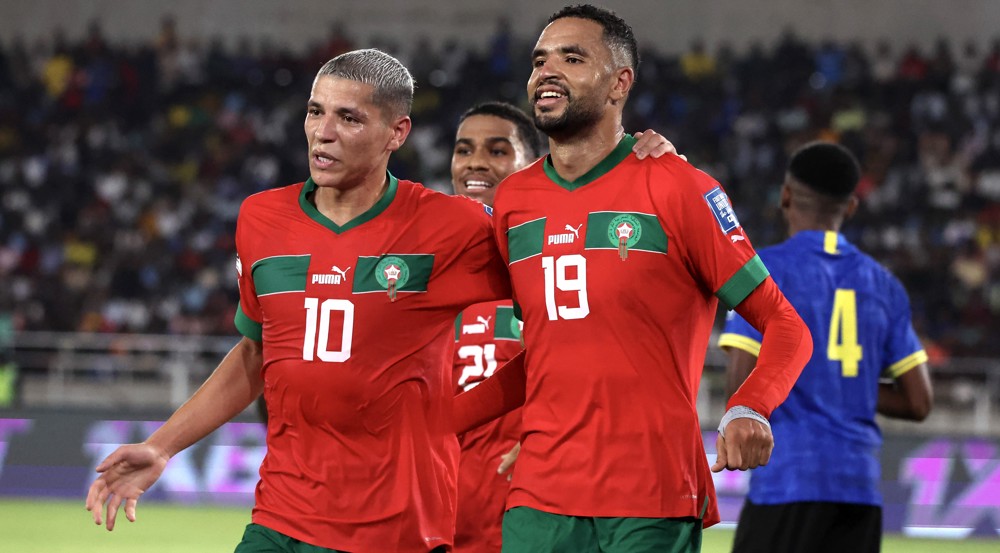
That change in perception may be one of the most important legacies of Qatar 2022.
Morocco did not only reach the last four. They forced world football to reconsider what an African side could achieve at the highest level.
Their challenge now is to protect that progress.
There has been change since Qatar, most notably in the dugout, with Ouahbi taking over from Walid Regragui in March.
But Morocco’s core identity is expected to remain intact: collective discipline, emotional unity, defensive strength and the capacity to play with courage against bigger names.
Reda Tagnaouti, who is set to be Morocco’s third-choice goalkeeper for a third successive World Cup, believes that unity was central to the team’s previous success.
“On the day we arrived in Qatar, we sensed something,” revealed Tagnaouti, a runner-up in the CAF Champions League with ASFAR last month.
“Normally, when you spend nearly a month and a half in a bubble, there are some days when sparks fly with your team-mates in training. There was none of that. We were an exceptional group, and we had our friends and family with us. That’s why we achieved so much.”
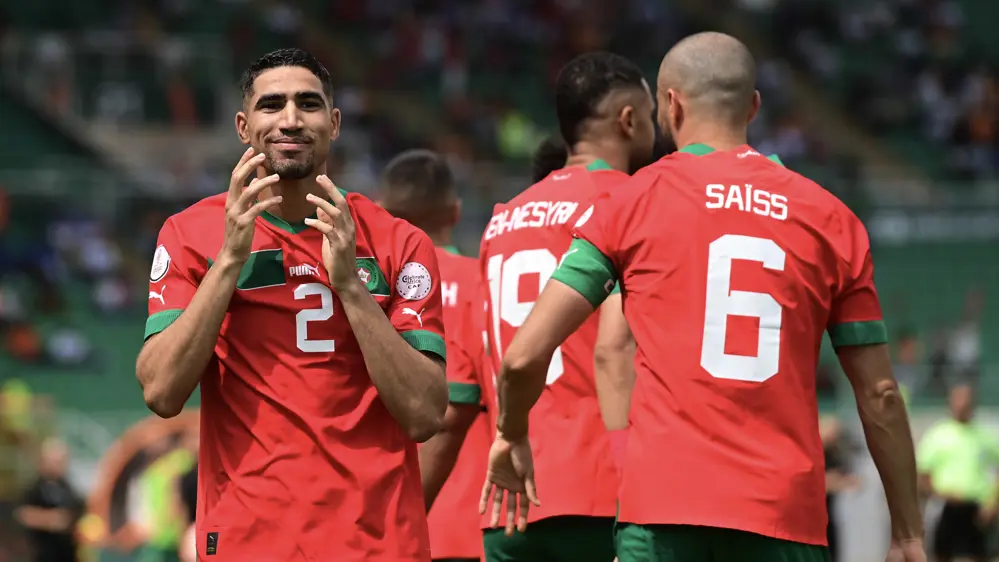
Bounou remembers the same spirit.
“In 2022, the atmosphere was indeed incredible,” continued Bounou. “We were all determined to make our mark on the history of Moroccan and African football.”
That determination was visible throughout their run.
Morocco conceded only once in their first five matches in Qatar before losing 2-0 to France in the semi-finals and 2-1 to Croatia in the third-place play-off.
Their defensive record was one of the foundations of their success, and Bounou remains at the centre of that strength.
Since the 2022 tournament, the Al Hilal goalkeeper has continued to deliver consistently for his country. In his last 37 appearances for Morocco, he has conceded only 14 goals, an average of 0.37 goals per game.
At 35, he brings experience, calmness and authority to a team that will need all three qualities in a demanding group.
“I’m possibly a little better prepared mentally, thanks to my experience,” admitted the Canada-born keeper. “My main goal is to approach the competition with a real sense of enjoyment, to give it my all, and above all, to have no regrets.”
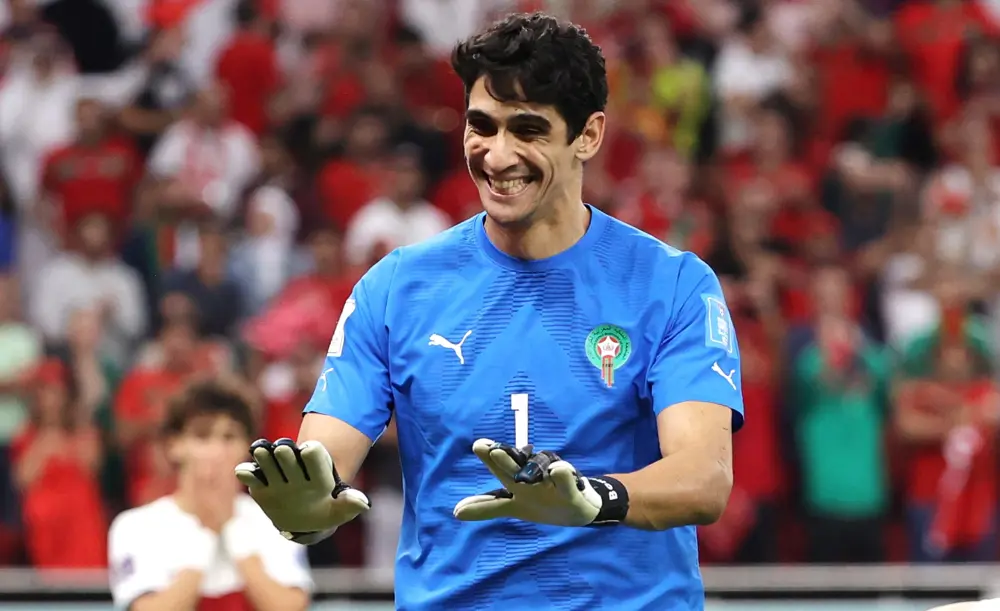
Morocco’s strength is not only in their starters.
One of the less visible aspects of their progress has been the professionalism of players who may not always play but remain central to the group.
Tagnaouti says that understanding roles inside the squad is vital at a World Cup.
“Some players won’t play. I didn’t play [at the 2022 edition], which is normal, as I’m the third-choice keeper,” explained Tagnaouti.
“But you need to stay motivated because you tell yourself that if Yassine gets injured – which we certainly hope doesn’t happen – and if Munir [El Kajoui, the second-choice custodian] picks up a booking, for example, you have to stay focused. So, you do your best every day, and when you train properly and act professionally, you see the results. We are one big team.”
That attitude will matter in North America, where Morocco must manage pressure, travel, expectation and the physical demands of an expanded tournament.
Their first test against Brazil will be one of the most watched games of the group stage.
It will offer Morocco an immediate chance to show whether they can again compete with the traditional powers of world football.
Scotland will provide a different type of challenge, with physical intensity and European organisation, while Haiti will arrive with their own motivation and ambition.
For Ouahbi, the task will be to keep Morocco grounded while allowing the players to draw confidence from what they have already achieved.
For African football, Morocco’s campaign will again be followed closely.
Their success in Qatar raised belief across the continent. A strong performance in North America would deepen that belief and strengthen the idea that African teams can consistently challenge at the latter stages of the World Cup.
Bounou, however, is not interested in empty promises.
He wants Morocco to compete, enjoy the occasion, give everything and avoid regrets.
But he is also clear about the ambition inside the squad.
“At the 2026 World Cup, Morocco will make their mark on world football, once again.
"I’m sure the Moroccan people will be proud of and pleased with the team. Let’s hope we can pull off something really, really big again, just like we did in 2022.”