









Angélique Kidjo: “Hosting the CAF Awards is an extension of my passion for football and Africa”
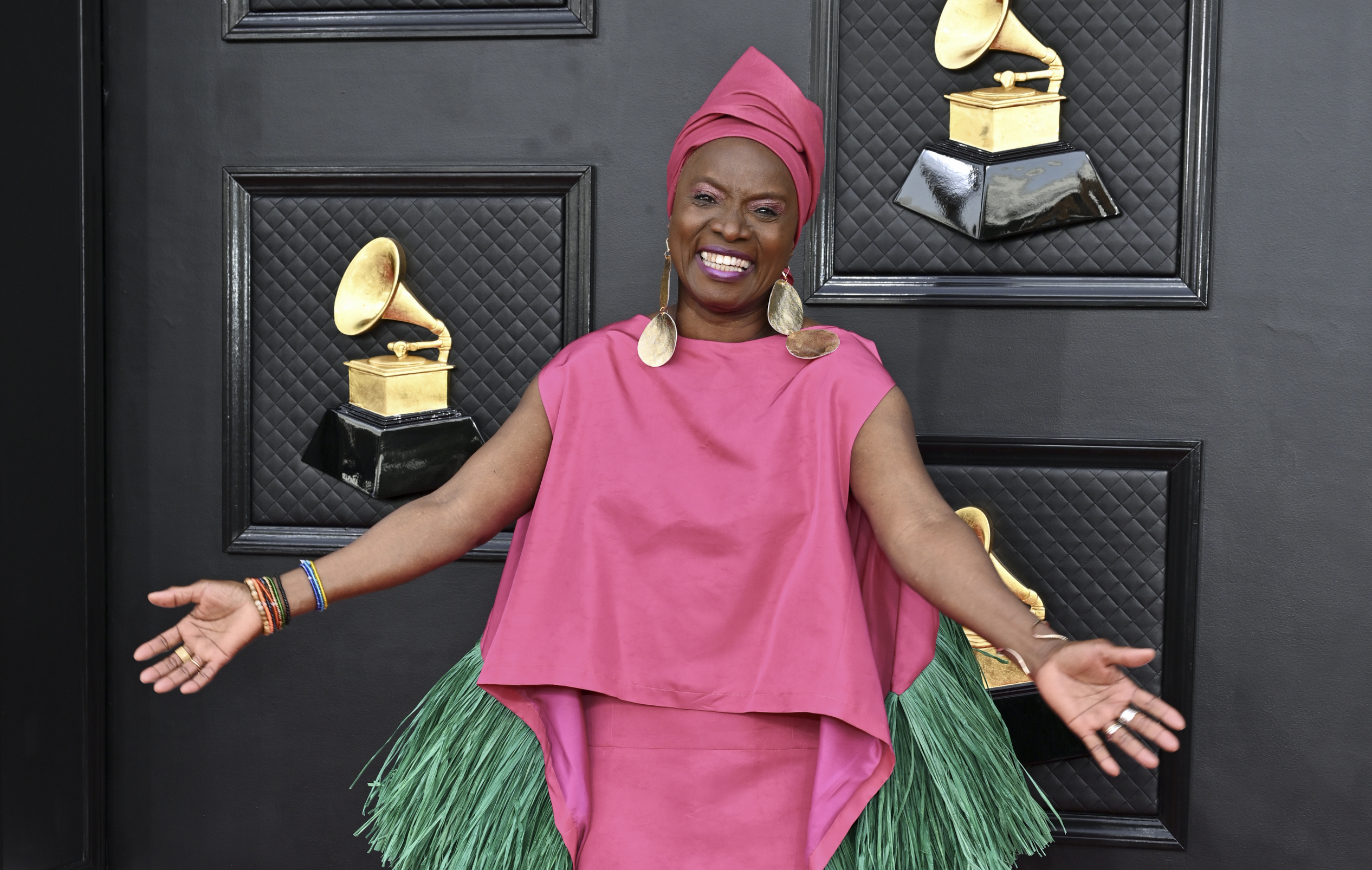
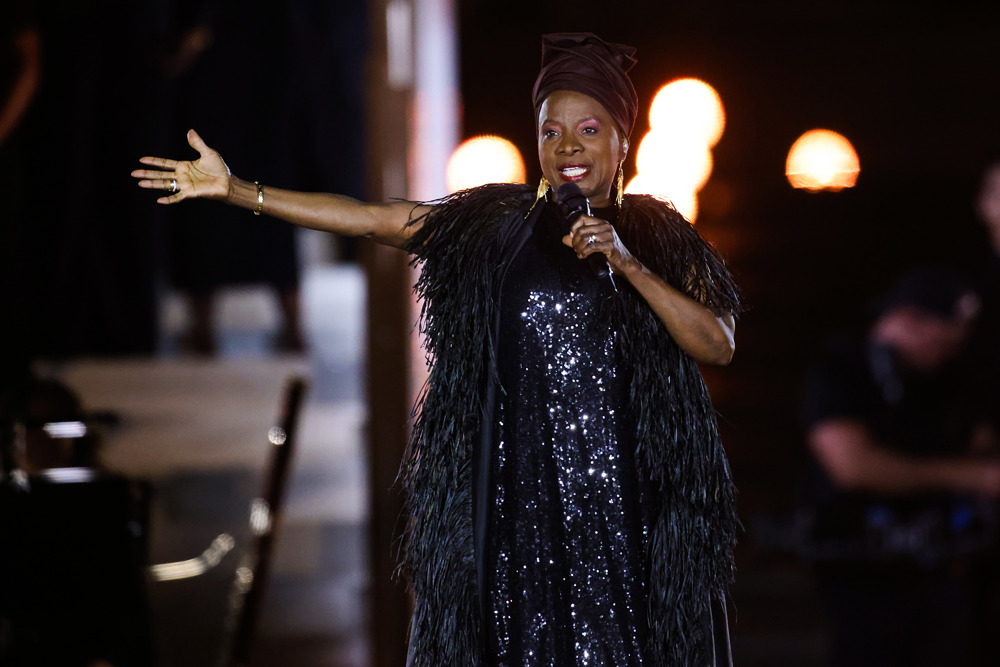
· Angélique Kidjo will host the CAF Awards alongside Oualass, a Moroccan comedian.
· She sees hosting the CAF Awards as an extension of her passion for Africa and football.
· The Beninese artist reflects on her childhood, her family, and the importance of sport in shaping her personal development.
Five-time Grammy Award winner Angélique Kidjo is much more than a legend of African music: she is a powerful voice for culture, empowerment, and human rights across the continent.
Today, she adds another string to her bow by becoming the master of ceremonies for the CAF Awards 2025 set to take place in Rabat, Morocco.
In this exclusive sit down with CAFOnline, Kidjo shares what the honour of hosting such an event means to her and her love for the African continent.
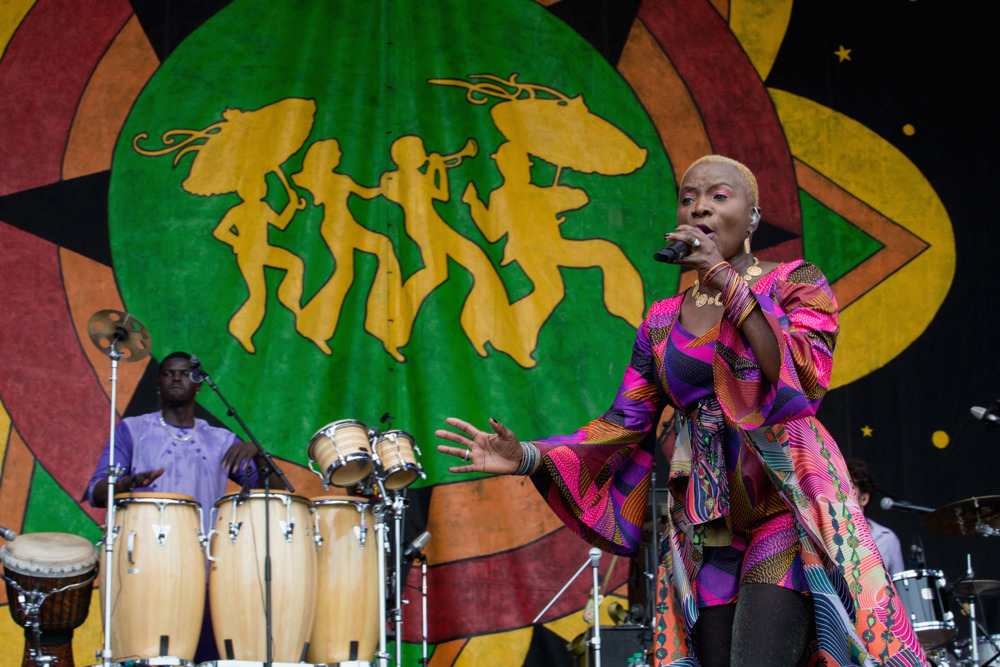
CAFOnline.com: Angélique Kidjo, Master of Ceremonies for the CAF Awards. Was this part of your career plan, and how do you feel about it?
Angélique Kidjo: To be honest, I never plan everything in detail. I expect anything, and I stay open to all the opportunities that come my way. I strongly believe in the stars and that sometimes you just need to let the moment guide you. When the stars align, unexpected things can happen. Hosting the CAF Awards is one of those wonderful opportunities that combines my passion for sport with my commitment to Africa. It’s a tremendous honour, and at the same time, I feel incredibly excited and curious to live this experience.
What was your reaction when you were asked to host the CAF Awards?
First, I checked my schedule to make sure I could be present. Once I saw it was possible, I thought: why not? It’s a unique opportunity to celebrate African football, highlight the talent of our continent, and show how many great players we have shining all over the world. My dream is to see these players represent their countries and win international competitions. I deeply believe that Africa can reach the highest levels and that football is a way to celebrate our identity, our energy, and our excellence.
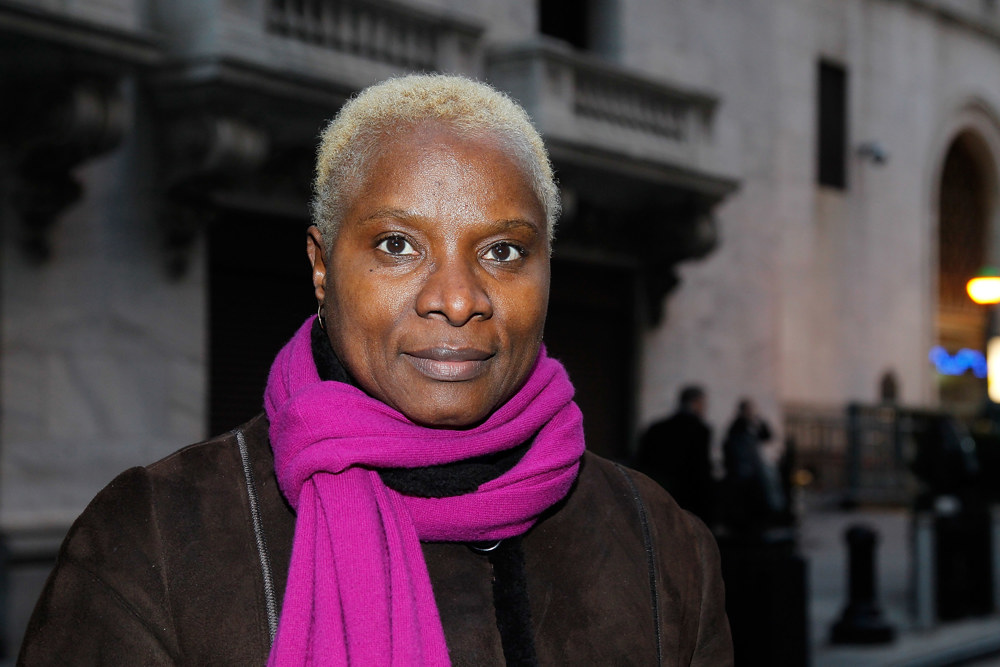
You grew up in a family where sport was important. How did that shape your relationship with football?
Absolutely. I grew up playing football with my brothers, and we were encouraged to try all kinds of physical activities. My father always told us: “There is no gender in this house. If you want to do something, do it.” That philosophy shaped my relationship with sports and with life. To me, football was never just a game—it was a way to share moments with my family, develop discipline, and channel my energy. Even though I suffered from asthma, my parents always pushed me to move, run, swim, and do athletics. Everything my brothers did, I did too, without any restriction.
Today, being here to host the CAF Awards takes me straight back to those childhood memories and fills me with nostalgia and pride.
Does this have an emotional dimension for you?
Yes, very strongly. My father is no longer with us, and I would have been so happy for him to see this moment. He loved football so much, and every match was a moment of joy and sharing for him. Whether he was playing with us or just watching a game, he created an atmosphere where everyone felt good, where no conflict was possible. 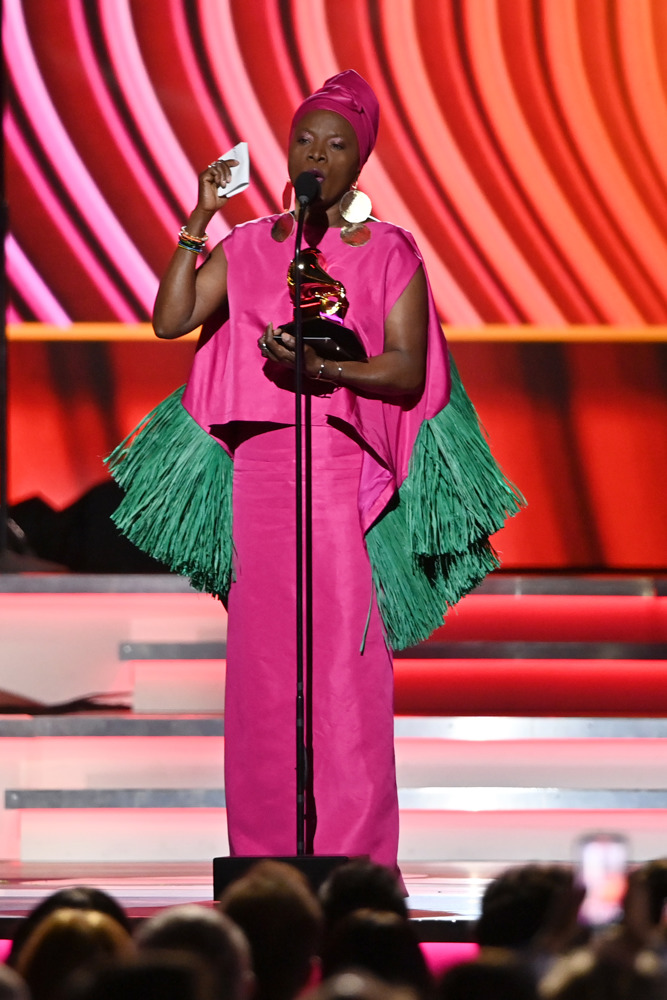
How do you feel about discovering all these players and presenting their performances?
I take enormous pleasure in watching the game. What fascinates me is their performance on the pitch—their technique, creativity, team spirit. When I shout “Yeah!” to celebrate a beautiful move, it comes from the heart, no matter their skin colour or nationality. Even at home, my husband sometimes asks me to stop jumping or yelling, but for me, that’s how you live football fully, by sharing it and transmitting that energy to others.
What have you discovered about yourself during the rehearsals and preparations?
I’ve discovered my ability to adapt and remain flexible. In all professions, you must be curious, humble, and willing to be shown different ways of doing things. I continue learning every day, and I believe that as long as we live, we keep learning. I’m never in absolute certainty—anything can happen. When the evening is over, I might wake up wondering: “How did I do that?” But that’s what moving forward is: not overthinking and giving the best of yourself. No one is perfect, and that’s what makes every experience unique and precious.
What do you hope to pass on to young Africans through your role here?
I want to show that football is much more than just a game or a way to earn money. It’s a way to stay healthy, develop discipline, build social connections, and nurture dreams. Sport is essential for physical and mental health, and I hope young people understand the importance of committing themselves, working hard, and believing in their potential. Football can be a school of life, and every gesture on the pitch is a lesson in courage and perseverance.