








CAF grassroots drive brings football to Ngaliema schools
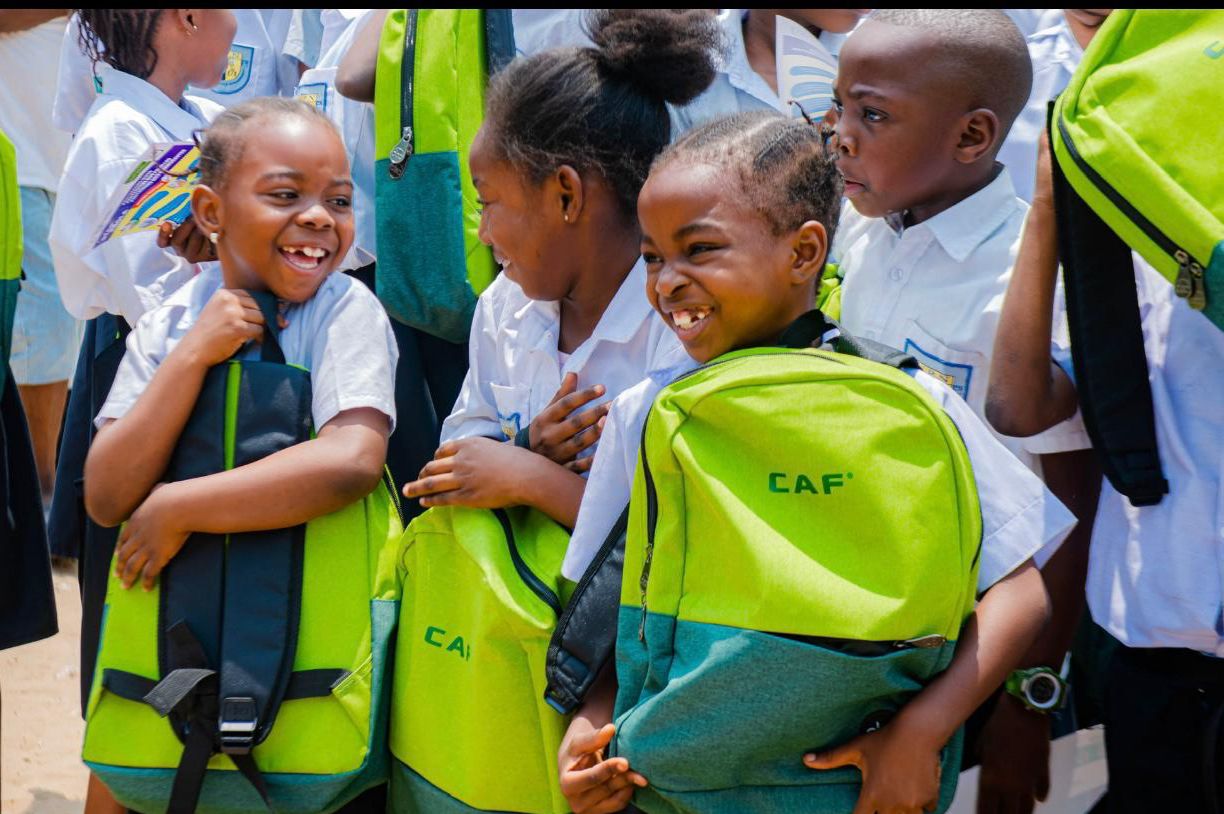
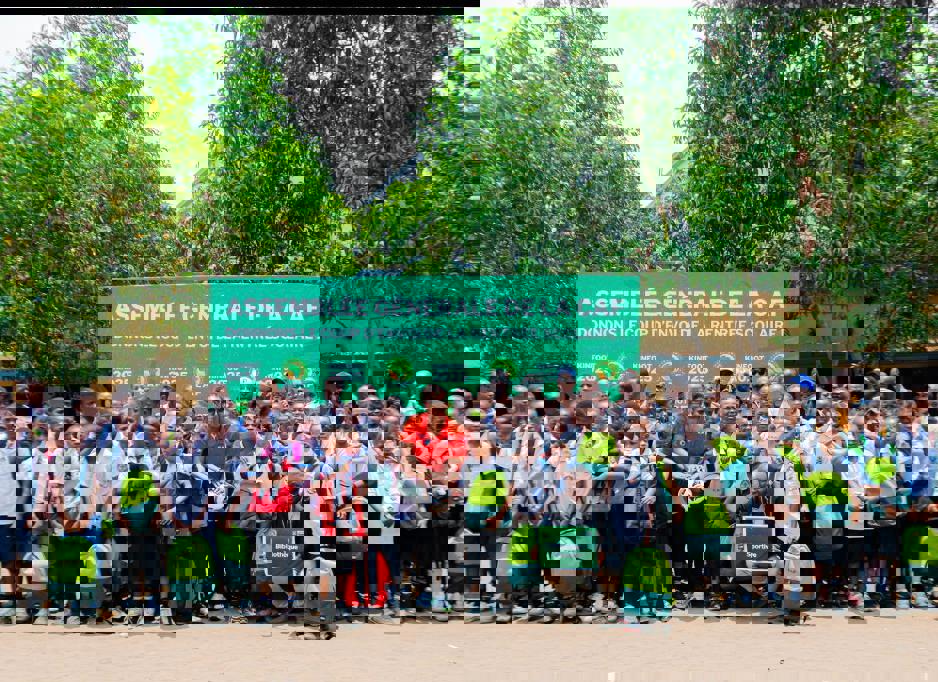
Ngaliema, in western Kinshasa, hosted a three-day CAF grassroots festival that put football back in the hands of schoolchildren.
From a site near the National Pedagogical University (UPN), pupils received brand-new kits and balls as part of a programme designed to reconnect the game with its community roots.
Boxes were opened, jerseys handed out and balls held aloft as trophies – a simple act with a clear purpose: make access to football equipment part of everyday school life.
“A ball is more than a game. For us, it was life,” said former DR Congo international Roger Hitoto.
Legends backing the next generation
The distribution was supported by former Congolese stars, including Trésor Lualua, who lent profile and encouragement.
Hitoto said his presence was personal: “When I was a kid in Kinshasa we played barefoot, sometimes with balls made from rags. Seeing children receive a real ball, a bag and a school kit is an emotion I can’t hide.”
CAF officials stressed the initiative is about more than elite tournaments. It positions football as a tool for inclusion, keeping young people engaged in school and in sport.
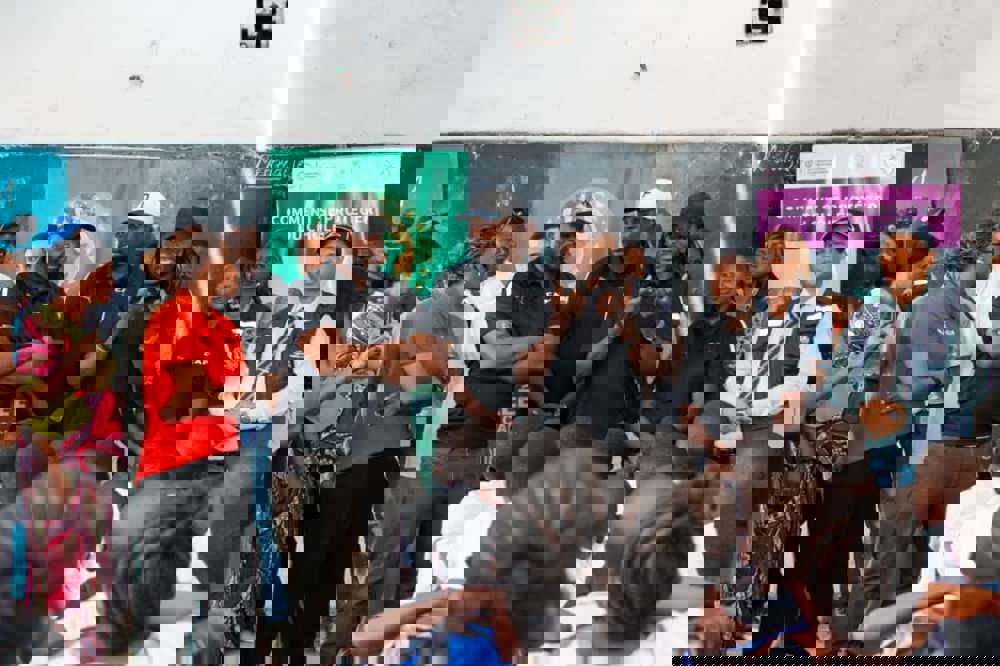
Why the ball matters
There was little ceremony and plenty of play. Children clutched their new balls and quickly turned the dusty pitch into a mini-tournament.
“The ball is the first teacher,” Hitoto added.
“It teaches solidarity, respect and the joy of sharing. What CAF is doing today is more than a distribution; it’s an invitation to believe every child here can forge their own path.”
In a neighbourhood where daily pressures are real, the gift of equipment – and permission to play – offered a timely lift.
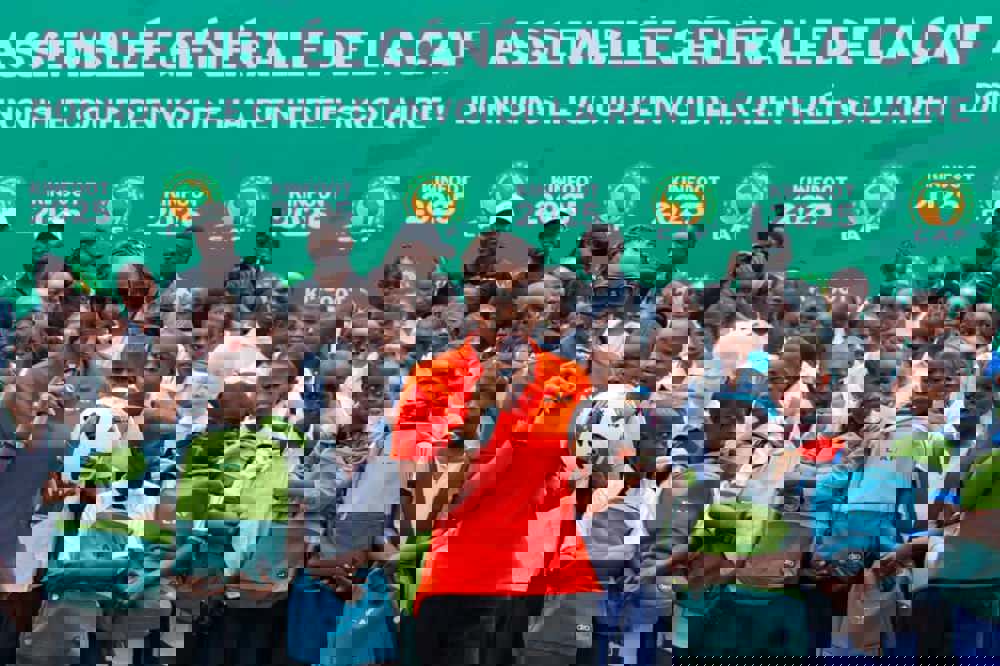
Kinshasa’s symbolism
Launching the programme in Kinshasa carried weight. The capital breathes football, from memories of the 1974 Leopards to the exploits of TP Mazembe and AS Vita Club.
It is also a city eager for a fresh sporting story. “Kinshasa is a laboratory,” Hitoto said.
“If you reach children here, in their schools, you reach the whole country.”
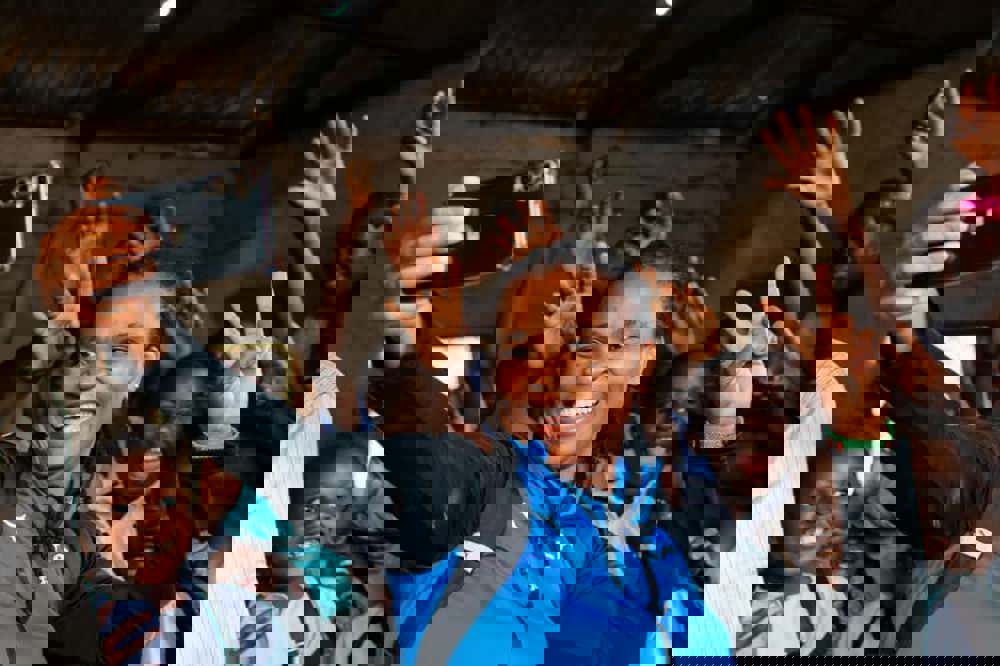
A morning that said it all
When the speeches ended, the adults stepped back and the games began. Bags were shouldered, boxes emptied, and balls skipped across the dust.
Hitoto lingered to watch. “That’s where it starts,” he said, eyes following a youngster dribbling with endless energy.
“Maybe in 20 years we’ll talk about him as a star. Today, what matters is that he’s playing.”
In a few hours, the festival achieved its aim: placing children at the centre and reminding everyone that African football’s future begins with a ball and a safe place to kick it.