






CAF Strategy Conference: How 10 African countries delivered a record-breaking 2026 World Cup campaign

Africa’s performance at the FIFA World Cup 2026 will be one of the central subjects of the CAF Strategy Conference in Cabo Verde, after the continent produced its strongest collective showing at the global tournament.
A record 10 African nations competed in the expanded 48-team World Cup, with Algeria, Cabo Verde, Cote d'Ivoire, DR Congo, Egypt, Ghana, Morocco, Senegal, South Africa and Tunisia carrying the continent’s hopes.
Nine of those 10 teams progressed from the group stage to the Round of 32, meaning 90% of Africa’s representatives reached the knockout phase – the highest percentage achieved by the continent in World Cup history.
Egypt and Morocco went further by reaching the Round of 16, while Morocco advanced to the quarter-finals for a second successive World Cup before losing 2-0 to France.
Those results will now be examined in detail in Sal, where CAF wants to identify what worked in North America, what still needs improvement and how the lessons from 2026 can contribute to even stronger African performances at the FIFA World Cup 2030.
The discussion is therefore intended to go beyond celebrating results. It will look at coaching, preparation, technical development, competitiveness and the structures that allowed so many African sides to survive the group stage.
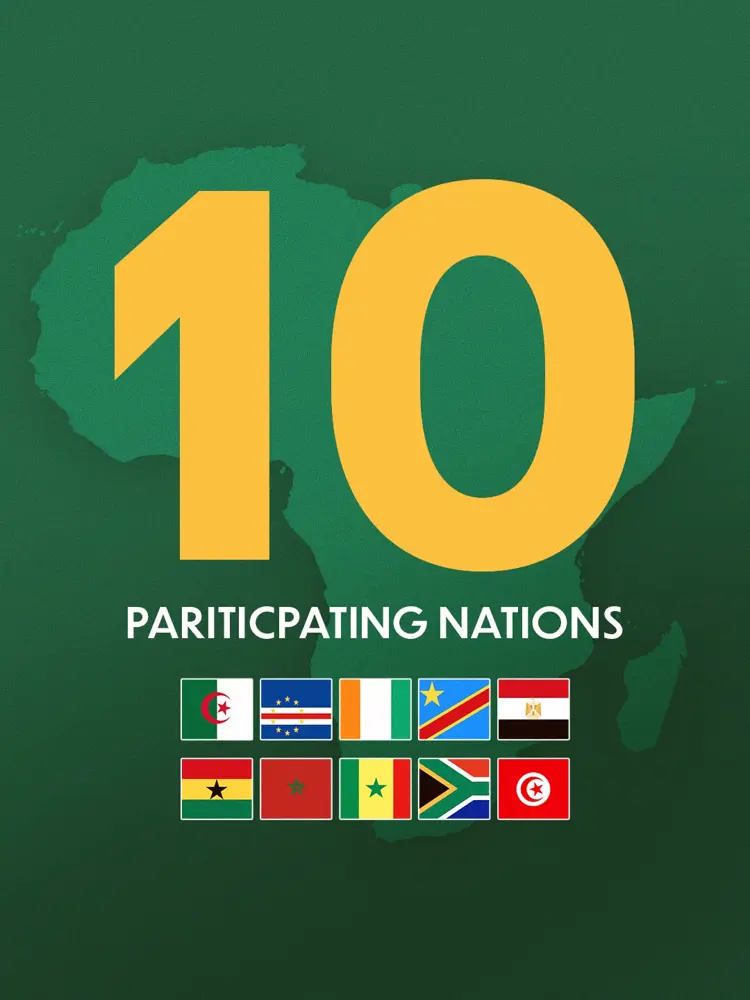
A record 10 African nations
The starting point is the scale of Africa’s representation.
The 2026 World Cup was the first expanded 48-team edition and Africa had 10 participants for the first time, after DR Congo completed the continent’s line-up through the intercontinental play-offs.
That increased representation created an opportunity for more African teams to test themselves against elite opposition, but the significance of the tournament was not simply that Africa had more places.
The teams made those places count.
CAF said Africa represented 20.8% of the tournament’s 48 teams but accounted for 28.1% of those reaching the Round of 32.
Only one of the continent’s 10 representatives failed to advance.
That was a major improvement on recent tournaments. CAF noted that 40% of African teams progressed from the group stage in 2022, none did so in 2018 and 40% advanced in 2014.
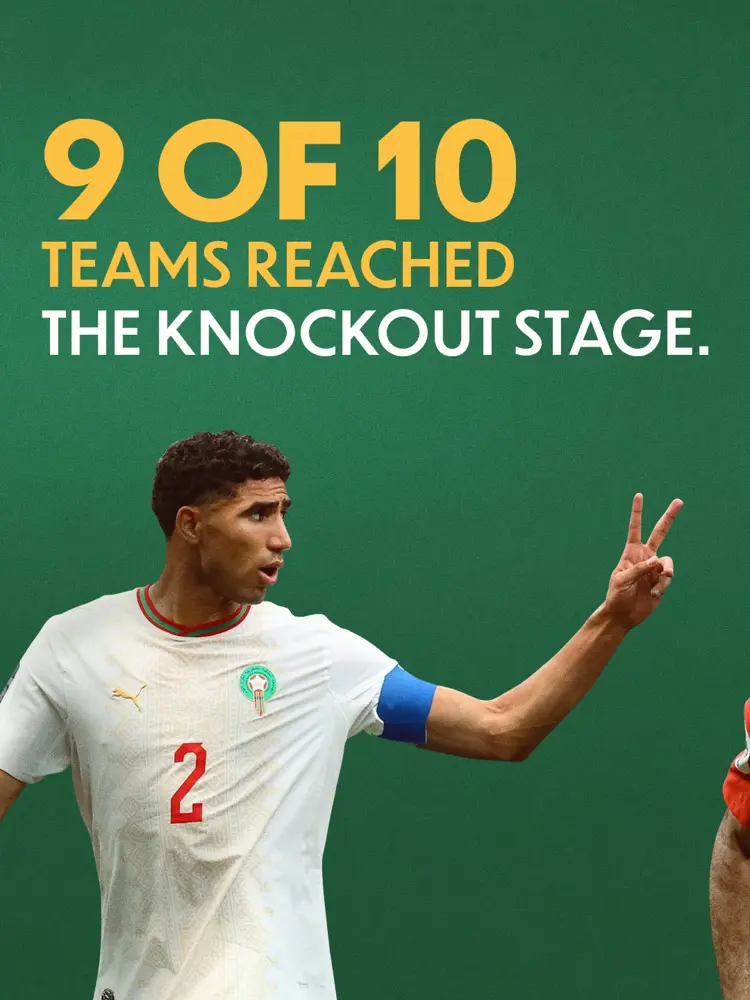
Nine teams reached the knockout stage
Algeria, Cabo Verde, Cote d'Ivoire, DR Congo, Egypt, Ghana, Morocco, Senegal and South Africa all reached the Round of 32.
Several did so while creating their own pieces of history.
Cabo Verde, appearing at the World Cup for the first time, held European champions Spain 0-0 in their opening match before eventually securing qualification from their group.
Their journey ended only after they pushed defending champions Argentina into extra time in a dramatic 3-2 defeat, twice coming from behind before conceding the decisive goal in the 111th minute.
Sidny Lopes Cabral’s spectacular equaliser against Argentina was later voted the best goal of the Round of 32 and placed on FIFA’s shortlist for Goal of the Tournament.

Morocco and Egypt go deeper
Egypt also produced a major knockout result, beating Australia 4-2 on penalties after a 1-1 draw to reach the Round of 16.
Morocco went further.
The Atlas Lions reached the quarter-finals for a second consecutive World Cup, confirming that their historic semi-final run in 2022 was not an isolated achievement.
Their 2026 campaign ended against France in Boston, but another appearance in the last eight strengthened Morocco’s status among the continent’s leading global performers.
Senegal also provided one of Africa’s biggest victories of the tournament, beating Iraq 5-0 as Pape Thiaw’s side fought their way into the knockout stage.
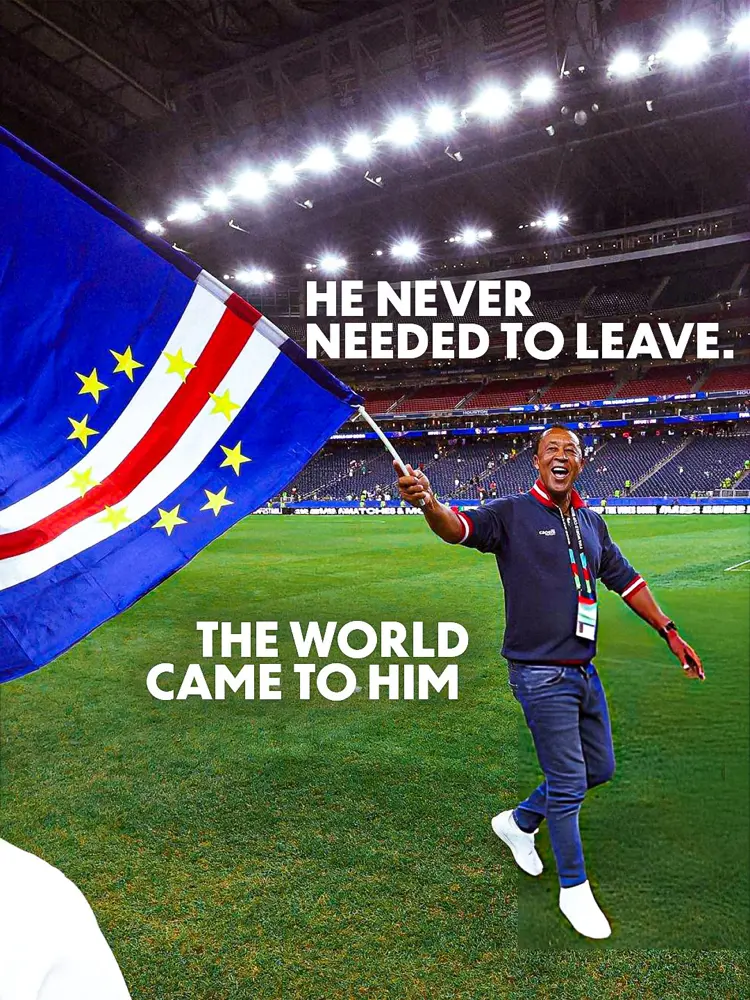
Why the performances matter in Cabo Verde
These results explain why the World Cup review will be a major part of the CAF Strategy Conference.
The event, which runs from 7 to 9 October in Santa Maria, Sal Island, is built around two broad priorities: strengthening football development and sustainability across Africa, and studying the performances of the 10 World Cup teams to prepare for 2030.
The coaches of the African World Cup teams will be central to that process, alongside Presidents of CAF’s 54 Member Associations, technical leaders and international experts.
The aim is to understand the foundations behind Africa’s progress rather than simply admire the results.
Nine teams reaching the knockouts showed that Africa can compete more consistently across a World Cup.
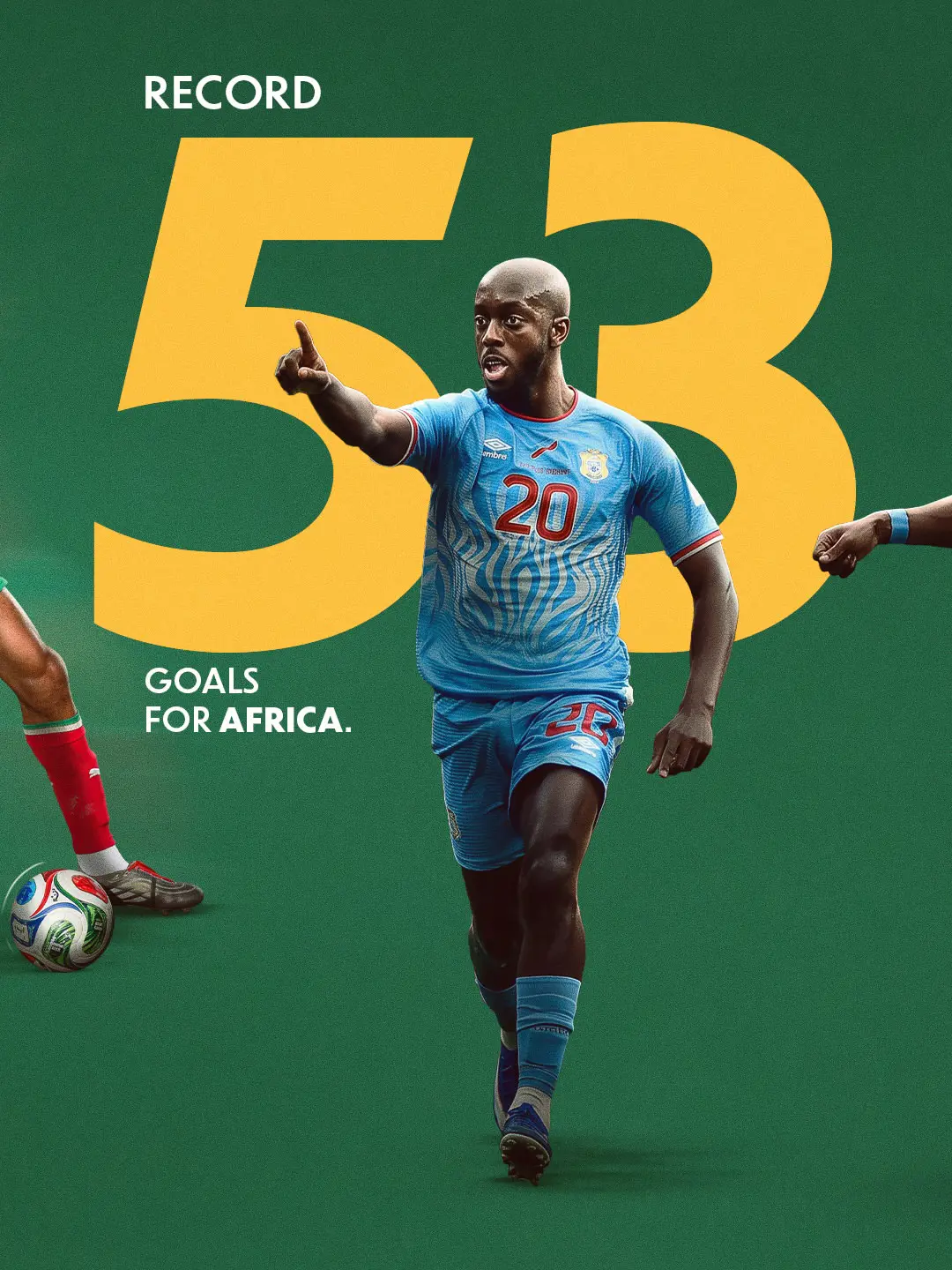
Morocco reaching another quarter-final showed that African teams can sustain deep tournament runs.
Cabo Verde demonstrated that even a debutant from one of the continent’s smallest nations can challenge world champions.
That is why the 2026 campaign is an important resource for the Conference.
The results provide evidence of progress, but also a benchmark.
The task in Cabo Verde will be to turn the lessons of a record World Cup into a plan capable of taking African football even further in 2030.