






CAF Strategy Conference: How African coaches transformed their World Cup presence
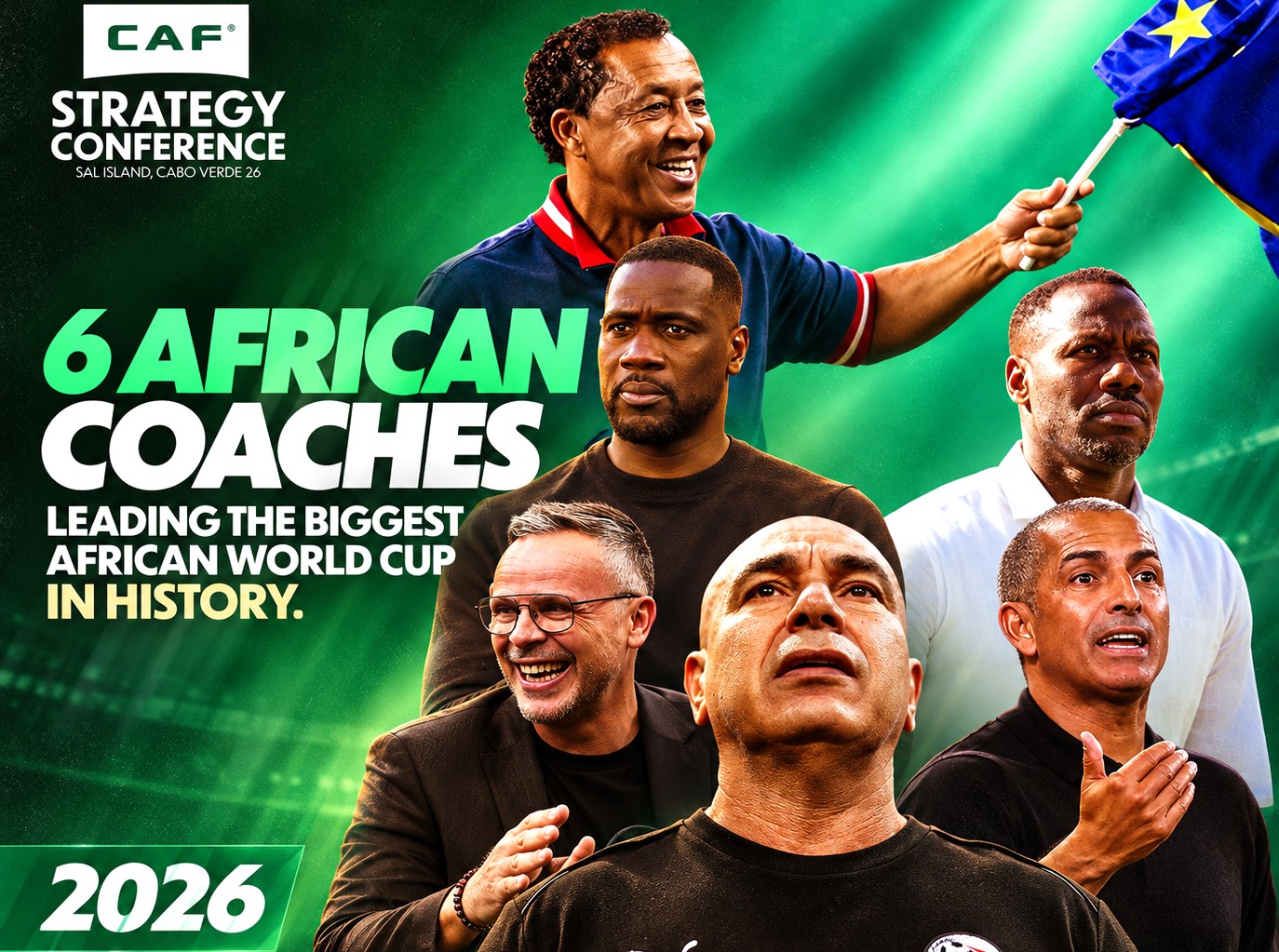
African coaches will be an important part of discussions at the CAF Strategy Conference in Cabo Verde after their representation at the FIFA World Cup reached a record level in 2026.
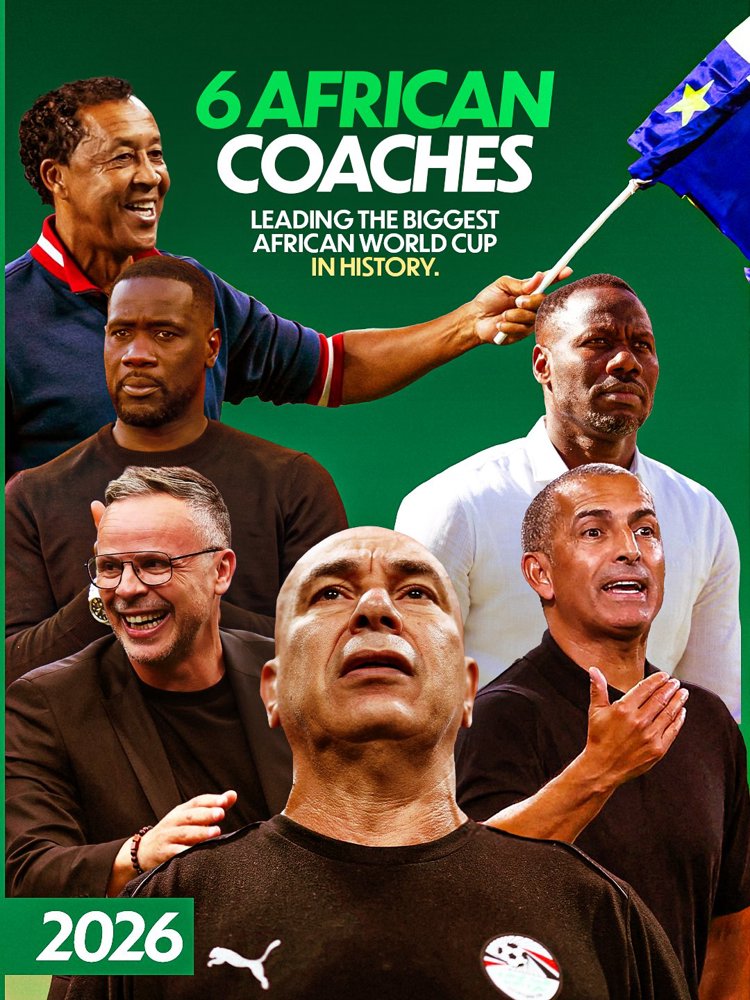
Six of Africa’s 10 representatives at the expanded tournament were led by African coaches, continuing a steady rise from just one home-grown coach among the continent’s teams at the 2010 World Cup.
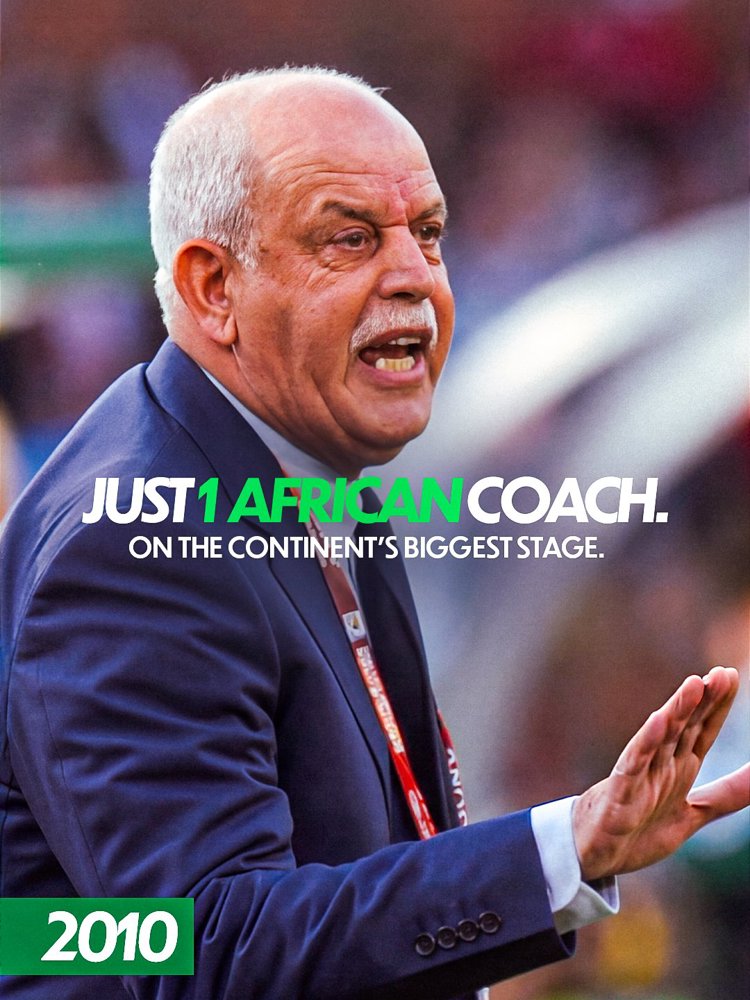
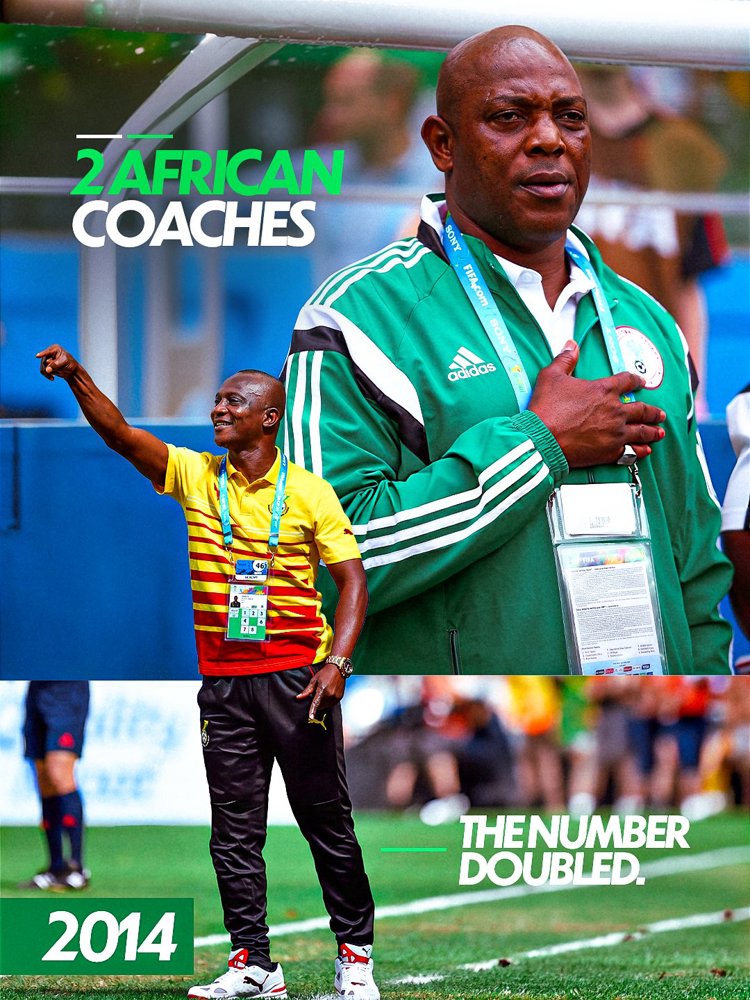
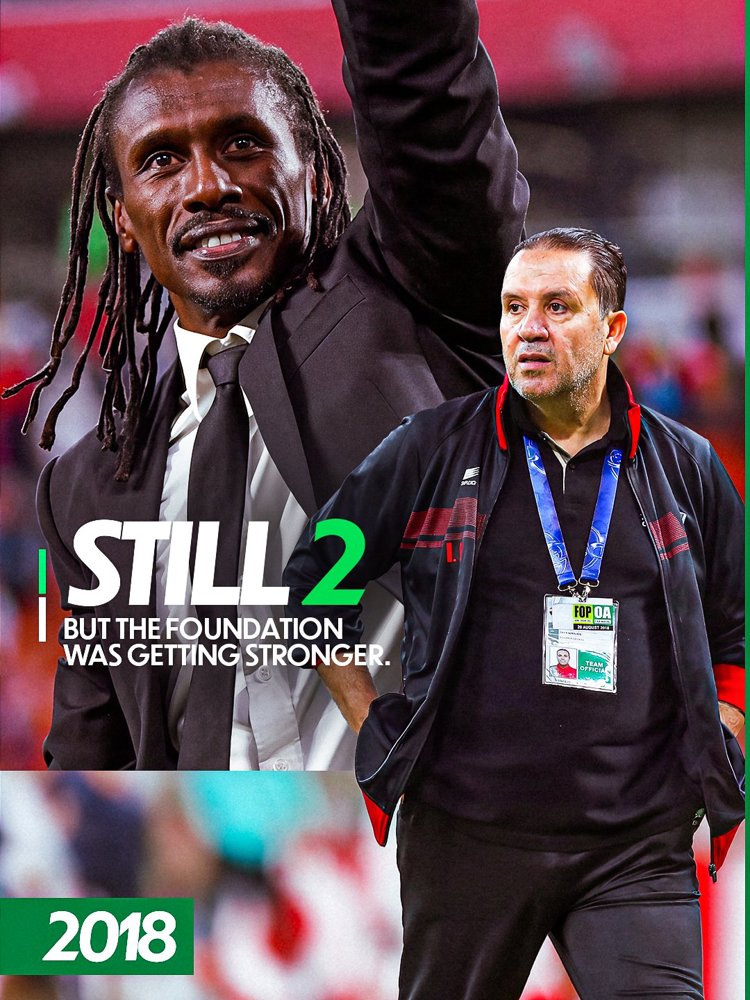
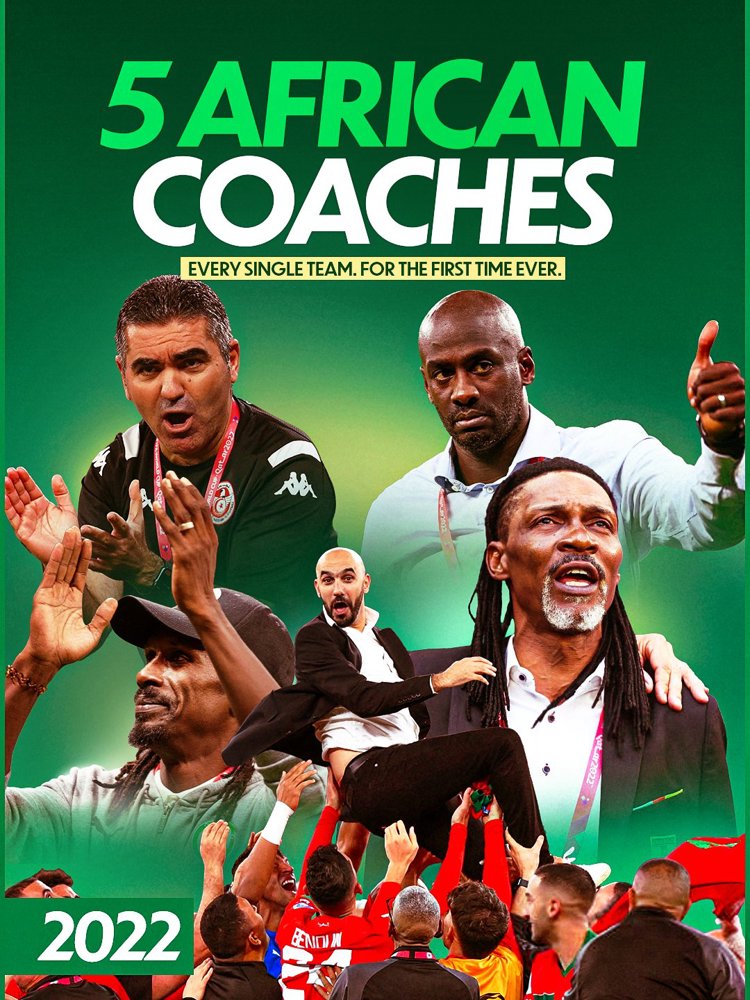
The progression has been significant: one African coach in 2010, two in 2014, two again in 2018, five in 2022 and six in 2026.
That growth has also coincided with stronger performances from African national teams, including a record nine African sides reaching the knockout stage at the 2026 World Cup.
The development will therefore provide an important case study when coaches, technical leaders and football administrators meet in Sal on 8 October to analyse Africa’s World Cup performances and map the next steps towards 2030.
For CAF, the central question is no longer whether African coaches can operate at the highest level, but how the continent can create systems that allow more of them to reach and remain at that level.
A long journey from limited representation
African coaching representation at the World Cup has not always reflected the talent available on the continent.
At the 2010 tournament in South Africa, only one of Africa’s participating teams was led by an African coach.
By 2014, that number had increased to two, before remaining at two again at the 2018 tournament.
The major shift came in 2022, when all five African representatives were led by African coaches.
That tournament became a landmark moment when Walid Regragui guided Morocco to the semi-finals, making them the first African nation to reach the last four of a World Cup.
The 2022 campaign challenged long-held assumptions about whether African coaches could manage successfully at the highest level and strengthened calls for more national federations to trust coaches from the continent.
By 2026, Africa had 10 representatives at the World Cup for the first time, and six of those teams were led by African coaches.
The numbers therefore tell a wider story of growing confidence, opportunity and recognition.
Strong results in 2026
The performances in 2026 gave further weight to that progress.
Emerse Faé guided Cote d'Ivoire into the knockout stage for the first time in their World Cup history, building on the success he had already achieved by leading the Elephants to the Africa Cup of Nations title.
Bubista also delivered one of the tournament’s most memorable African stories by taking Cabo Verde to their first World Cup and then guiding them beyond the group stage.
For a small island nation making its debut on the biggest stage in football, that achievement demonstrated what clear organisation, local knowledge and long-term coaching development can produce.
Pape Thiaw also led Senegal into the knockout phase, while Hossam Hassan took Egypt through to the latter stages of the tournament.
Morocco again showed their strength after the breakthrough of 2022, while other African teams also progressed from their groups.
Overall, nine of Africa’s 10 representatives reached the knockout phase, giving the continent its strongest collective World Cup performance.
Why this matters at the Strategy Conference
The CAF Strategy Conference is designed to examine not only what African teams achieved in 2026, but also the structures that made those results possible.
That makes coaching development a central part of the discussion.
CAF’s strategy places emphasis on coach education, licensing, technical development and stronger pathways from domestic football into elite national-team jobs.
The rise from one African coach in 2010 to six in 2026 is therefore not just a statistic.
It reflects a gradual shift in how African federations view their own coaches.
More local coaches are now being trusted with major national teams, and more are proving capable of handling World Cup pressure, tactical demands and high-level opposition.
From exceptions to established leaders
The next challenge is making that progress sustainable.
Africa has already produced coaches capable of winning AFCON titles, reaching World Cup semi-finals and taking smaller nations into the knockout rounds.
What CAF now wants to understand is how to produce more of them.
The Conference in Cabo Verde will provide an opportunity to examine the development pathways of coaches such as Faé, Bubista, Regragui, Thiaw and others, and to consider what can be replicated across all 54 Member Associations.
The message from the recent World Cups is becoming increasingly clear.
African coaches are no longer simply participants on the global stage.
They are becoming central figures in Africa’s football progress.
And if the line from one coach in 2010 to six in 2026 continues in the same direction, the Road to 2030 could see an even stronger African coaching presence at the World Cup.