






Inside new Morocco’s Mohammed VI Football Complex hosting the 2026 U-17 Women’s World Cup
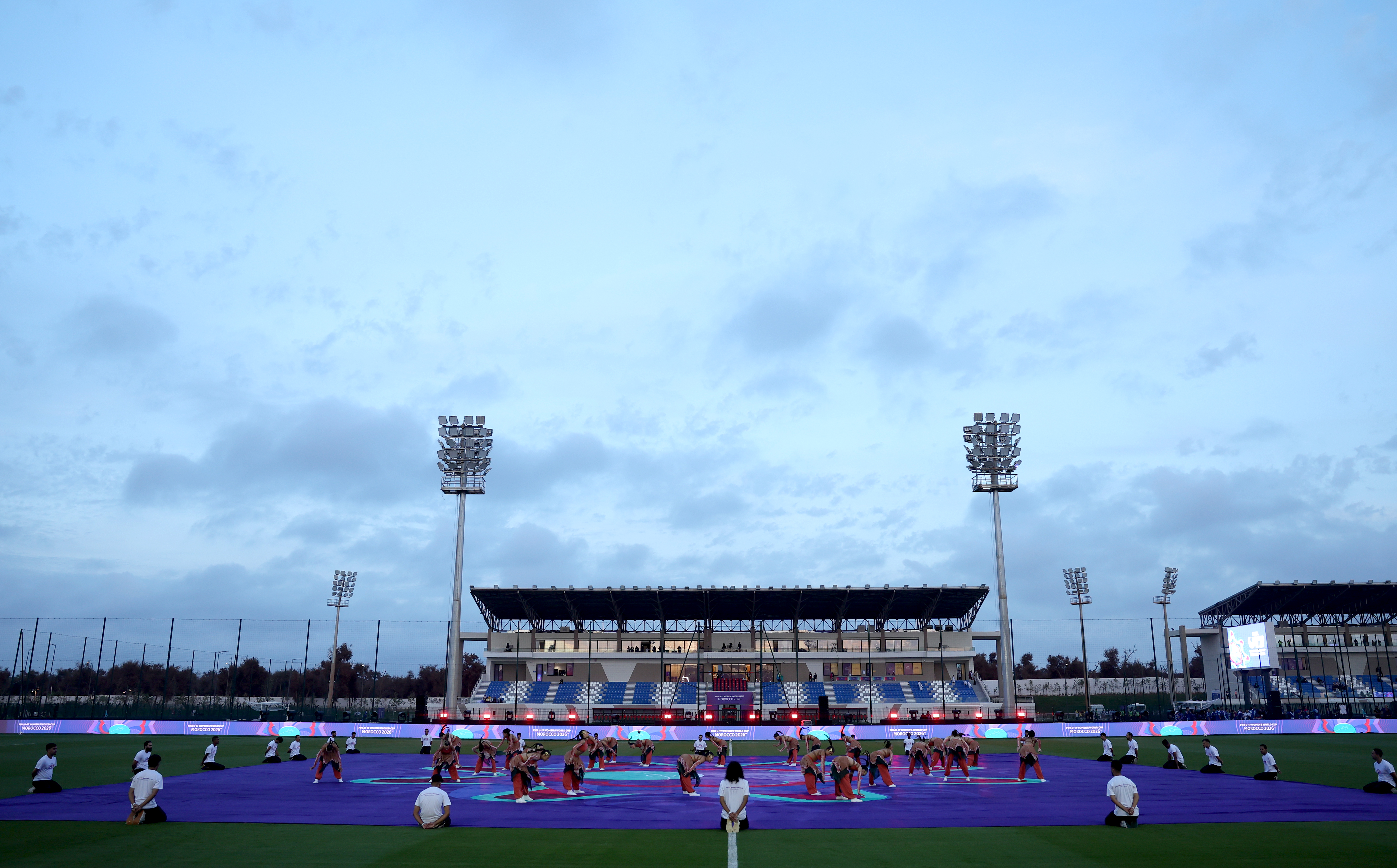
Four pitches, a centralised tournament format and a growing commitment to women’s football place Rabat at the heart of the 2026 FIFA U-17 Women’s World Cup.
When the world’s emerging female football stars arrive in Morocco for the 2026 FIFA U-17 Women’s World Cup, they will compete for more than a trophy. They will step into a unique football environment designed to bring the game closer to supporters, create a showcase for young talent and underline Morocco’s growing ambitions as an international sporting destination.
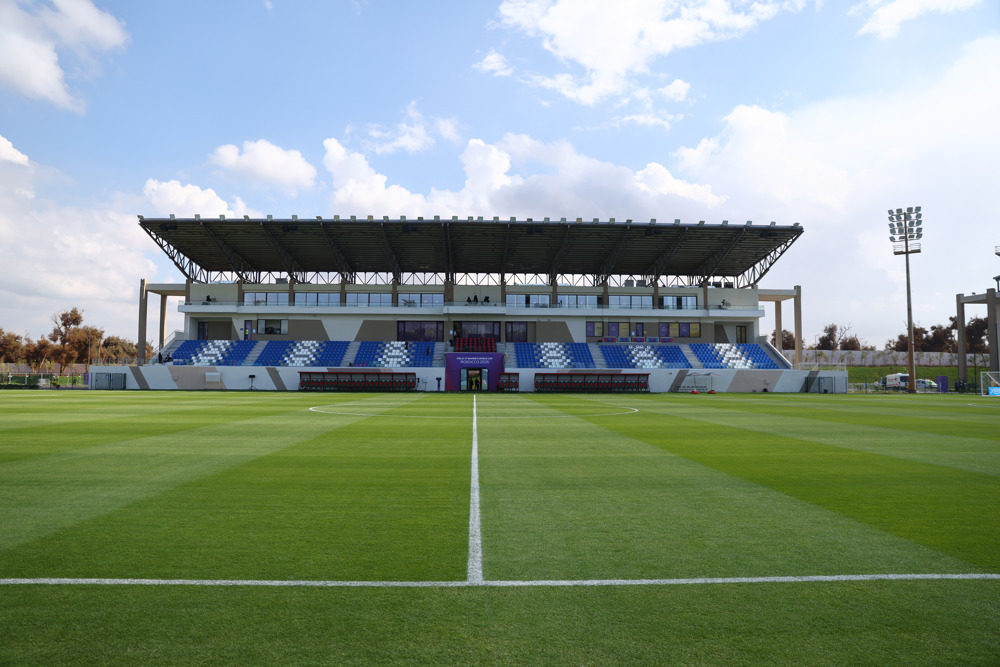
At the centre of that vision is Rabat’s Mohammed VI Football Complex, which will host matches from the opening round through the semi-finals across four pitches. The tournament’s final and third-place match will be played at the Prince Moulay El Hassan Stadium, also in the Moroccan capital.
The arrangement gives the competition a distinctive character rather than dispersing matches across several cities, the tournament will bring teams, supporters and the international football community together in one central location.
For a competition featuring 24 national teams from six confederations, the format presents a practical opportunity to experience several matches in a single day while placing the facilities at the heart of the tournament experience.
Four pitches, one global stage
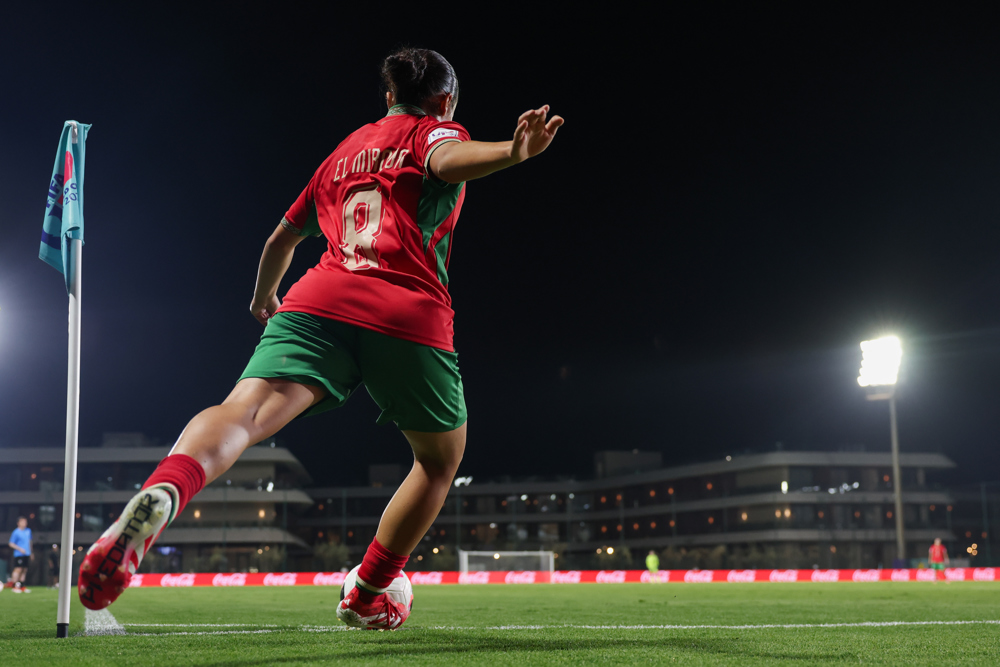
The defining feature of the tournament venue is its four-pitch match arrangement. It allows FIFA to organise multiple fixtures at the same complex, creating a festival atmosphere around youth women’s football.
The 2026 competition runs from October 17 to November 8, with 52 matches scheduled across the tournament. The opening day alone offers four fixtures - Germany against Argentina, the Democratic People’s Republic of Korea takes on Puerto Rico, hosts Morocco welcome New Zealand, and Poland tackle Nigeria.
That opening programme captures the breadth of the event, bringing established youth football nations, emerging teams and tournament newcomers into a shared setting.
The centralised arrangement also creates opportunities for fans to follow more than one national team without travelling between distant venues. FIFA has described the format as a way for supporters to enjoy several matches in one day, with a dedicated fan zone adding to the wider experience.
For young players, meanwhile, the venue offers an international stage on which technical ability, tactical understanding and composure will be tested against different football cultures.
A complex reflecting Morocco’s football ambitions
Morocco’s preparations for major competitions form part of a broader investment in football facilities and development structures.
The Mohammed VI Football Complex in Maâmora, near Salé, was developed by the Royal Moroccan Football Federation as an integrated centre for performance and football development. According to Morocco’s national broadcaster, SNRT, the complex occupies 29.3 hectares and was built to accommodate national-team training camps, with facilities also available to foreign teams seeking preparation camps in Morocco.
Its infrastructure includes natural-grass pitches, synthetic surfaces, a covered football pitch, a hybrid pitch, accommodation blocks, sports-medicine facilities, rehabilitation areas and other support services. The reported construction investment was 630 million Moroccan dirhams.
Those facilities illustrate the wider thinking behind Morocco’s football strategy - sustained performance requires more than a successful national team. It also depends on training environments, player development, medical support and the capacity to prepare athletes over extended periods.
The FIFA U-17 Women’s World Cup will bring international attention to this infrastructure and to the country’s capacity to stage elite football competitions.
It is important, however, to distinguish the complex’s wider training and development facilities from the tournament’s specific match arrangement. FIFA’s official schedule identifies four pitches at Rabat’s Mohammed VI Football Complex for matches through the semi-finals, while the final and third-place match will take place at Prince Moulay El Hassan Stadium.

Women’s football takes centre stage
The tournament’s significance extends beyond the venue itself.
Morocco was awarded hosting rights for the FIFA U-17 Women’s World Cup for five consecutive editions, from 2025 to 2029. The decision made the North African country the first African nation selected to host the global women’s U-17 competition.
FIFA’s multi-year hosting strategy was designed to give the host country an opportunity to establish organisational foundations and make more efficient use of tournament infrastructure, technology, broadcast arrangements, transport and accommodation.
The annual competition also offers a recurring platform for young players to compete internationally and for local audiences to engage with women’s football.
For Morocco, the opportunity is particularly important because the country is developing its profile as a host of major football events while seeking to strengthen its domestic game.
The Atlas Lionesses’ progress in international football and the country’s investment in youth development have helped bring greater attention to the women’s game. Hosting the U-17 World Cup gives that progress another international platform.
Yet the longer-term measure of success will not be limited to the tournament’s organisation. It will also depend on whether the visibility generated by the event translates into more opportunities for girls to play football, better development pathways and stronger structures for women’s football after the final whistle.
A meeting point for six confederations
The 2026 tournament will bring together 24 teams from across the world, divided into six groups. The top two teams in each group, together with the four best third-placed teams, will advance to the knockout stage.
The expanded format gives more young players the chance to experience a global championship and exposes teams to a wider range of opponents.
For African participants, including Nigeria and hosts Morocco, the competition represents an opportunity to measure their development against teams from Europe, Asia, North America, South America and Oceania.
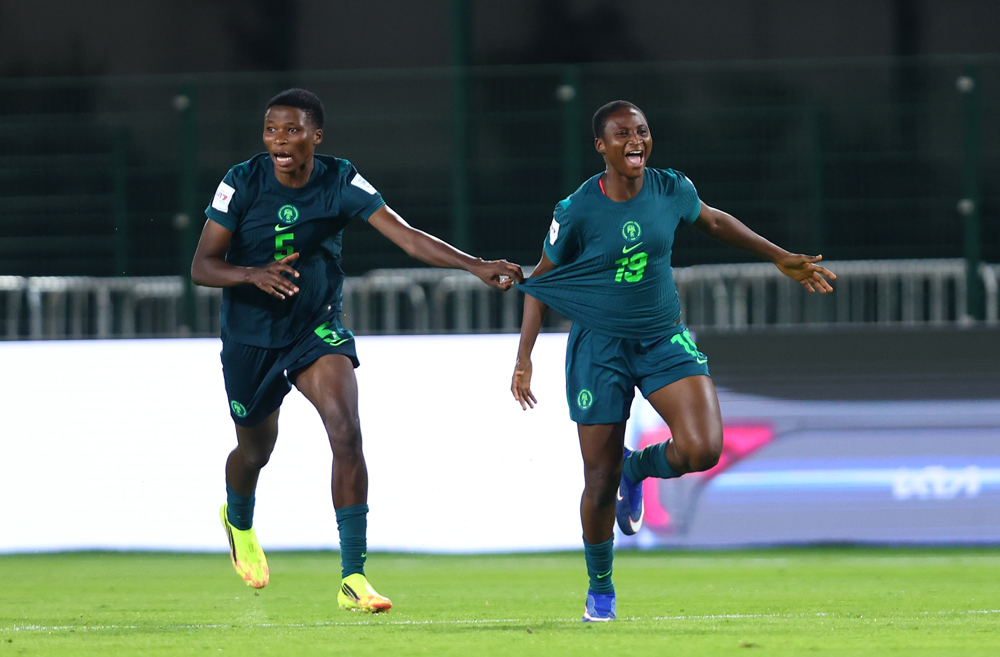
Nigeria’s Flamingos will open their campaign against Poland on October 17 before facing Puerto Rico and the Democratic People’s Republic of Korea in Group B. The group-stage fixtures will test their ability to adapt to different styles and maintain consistency over a short tournament schedule.
The centralised venue could also help supporters follow the wider competition, discovering teams and players beyond their own national sides.
For coaches and scouts, a gathering of this scale provides a concentrated opportunity to assess emerging talent. For the players themselves, it is a chance to build experience in a demanding international environment.
More than a collection of pitches
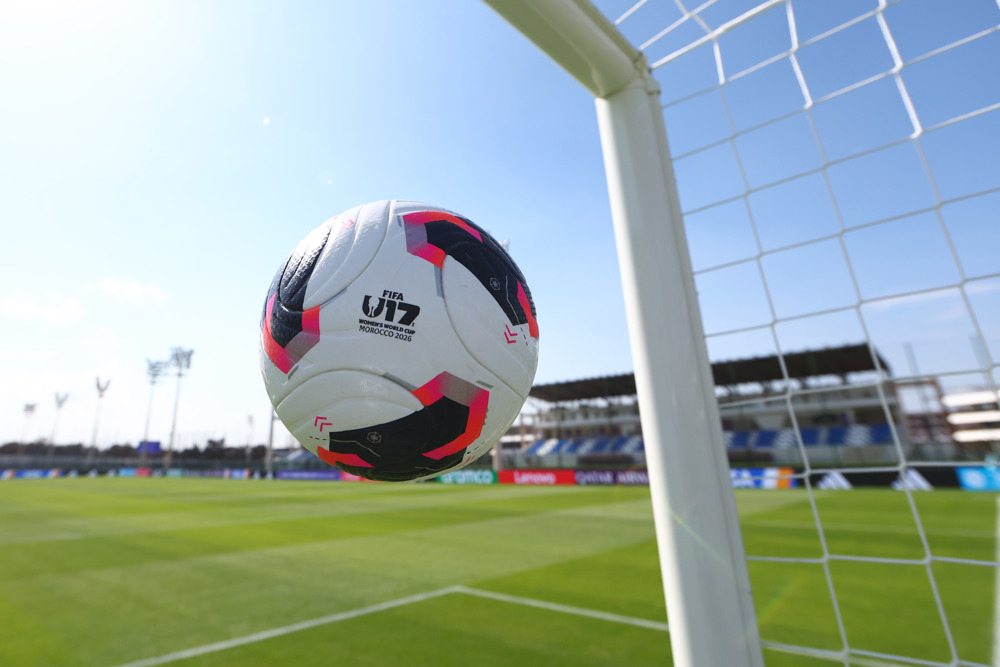
A modern football complex is measured not simply by the number of pitches it contains, but by how effectively its facilities serve the game.
Playing surfaces must be prepared for repeated matches, teams need reliable operational support, and officials and broadcast crews require an environment that allows fixtures to run to schedule. Medical and recovery services are also important when young athletes are competing frequently over several weeks.
The four-pitch arrangement in Rabat places considerable importance on coordination, as several matches can take place at the same complex on a single day.
The festival format may offer spectators a richer experience, but it also demands careful scheduling, pitch management, crowd movement and coordination among tournament organisers.
These operational details rarely receive the same attention as goals and trophies, yet they are essential to delivering a successful international event.
Morocco’s broader investment in football infrastructure provides important context for the tournament. The challenge is to ensure that facilities and organisational expertise continue to serve football beyond the period when the world’s cameras are focused on Rabat.
The legacy question
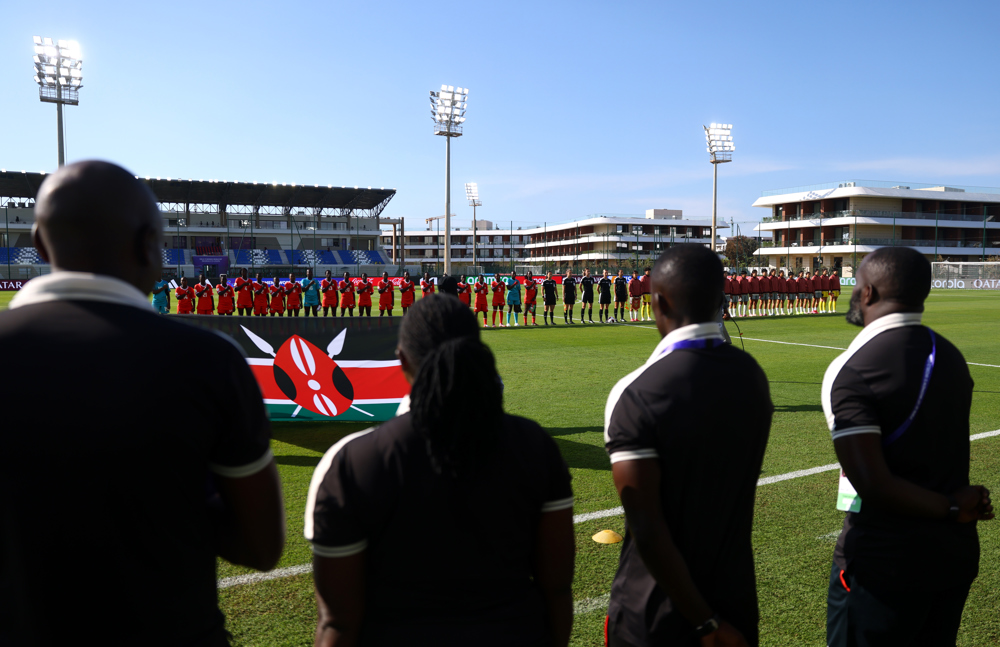
For Morocco, the 2026 FIFA U-17 Women’s World Cup is another opportunity to demonstrate its capacity to stage a major international football competition.
For African women’s football, it offers something equally valuable as a global youth tournament on the continent, supported by facilities designed to accommodate multiple matches and teams in one location.
The potential legacy is significant, but it must be judged over time. A successful competition can inspire young players, attract new audiences and increase interest in women’s football. Sustaining that momentum requires investment in grassroots participation, coaching, competition structures and pathways from youth football to the senior game.
The Mohammed VI Football Complex and the wider tournament arrangement provide the setting. The players will provide the drama, ambition and sporting quality.
When the competition begins on October 17, Rabat will become a meeting point for the next generation of women’s football talent. The challenge for Morocco and for the wider football community will be to make sure the impact lasts long after the final is played on November 8.
Ultimately, the most important legacy of a world-class football complex will not be the number of matches it hosts, but the opportunities it helps create for the generations who follow.